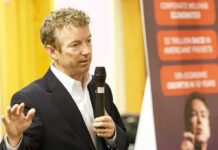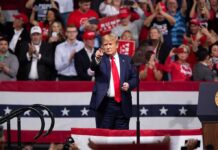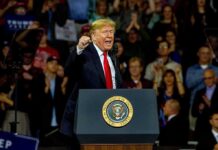

Senator Ted Cruz alleged that Michigan Senate candidate Abdul El-Sayed would share classified information with terrorists if elected, escalating a national security fight in a high-stakes race.
Story Highlights
- Cruz tied El-Sayed to the Muslim Brotherhood through family posts, donors, and past writings.
- El-Sayed denied ties and said he would swear an oath to the Constitution, including at a recent town hall.
- Donations from people linked to the Council on American-Islamic Relations drew scrutiny in 2026 reports.
- Rules show senators may access intelligence by office and committee process, heightening the stakes.
What Cruz Alleged And Why It Matters Now
Senator Ted Cruz said Abdul El-Sayed, a Democrat running for Senate in Michigan, would pass classified information to terrorists if he won and gained access through Senate roles. Cruz pointed to family social media posts, a 2011 op-ed, and a 2012 statement about Egypt to frame El-Sayed as aligned with the Muslim Brotherhood. He also flagged donors tied to the Council on American-Islamic Relations and related groups in past reports, arguing these links show risk.
Campaigns fight over national security because Senate seats control oversight and briefings. Members of the Senate may gain access to sensitive material by virtue of office and through committee channels, including the Senate Select Committee on Intelligence. That makes any allegation about classified handling a powerful line of attack in the final weeks. A declassified National Security Agency paper notes member access under Senate procedures, which underscores public concern about who gets briefings.
Documented Links Cited In The Debate
Coverage described two social media posts from a relative that referenced family involvement with the Muslim Brotherhood in the 1970s, a 2011 column arguing the United States should back young Arab protesters, and a 2012 statement supporting Egypt’s then-president Mohamed Morsi. Reports also described large donations from a father-in-law and multiple contributions from people identified with the Council on American-Islamic Relations and allied groups, drawing focus to outside networks in the race.
Reports emphasized that federal prosecutors had named several Islamic groups as unindicted co-conspirators or associated entities in a past terrorism-finance case against the Holy Land Foundation. That case resulted in convictions of foundation leaders for sending money to Hamas. The current clash applies that history to donors and community leaders who backed El-Sayed. Critics argue the mix of family comments, political views, and donor ties paints a pattern. Supporters say it is association, not proof of wrongdoing.
El-Sayed’s Response And The Oath Question
Abdul El-Sayed said he has no ties to the Muslim Brotherhood and rejects the charge. He told voters he would swear an oath to the Constitution and supports freedom of religion for all. At a recent town hall, he answered “absolutely” when asked to disavow the Muslim Brotherhood. The campaign has framed the claims as false and as smears tied to his faith. Those answers set up a clear contrast with Cruz’s warnings on classified information risk.
🚨 TED CRUZ: “EVERY REASON TO BELIEVE” EL-SAYED WOULD SHARE CLASSIFIED INTEL WITH MUSLIM BROTHERHOOD
Sen. Ted Cruz escalated his criticism of Michigan Democratic Senate nominee Abdul El-Sayed, saying he believes El-Sayed is Muslim Brotherhood and warning that a… pic.twitter.com/Niex98WQZ9
— Mossad Commentary (@MOSSADil) October 21, 2026
Security experts and past Senate guidance show how access works once a member is sworn in. Senate rules and practice describe that members may review intelligence records and receive briefings, while staff need formal clearances and a need-to-know set by the committee. That framework means voters are choosing not only a voice on policy, but also a steward of sensitive data. The process itself heightens the weight of any character or allegiance claims in a tight race.
How This Fits A Familiar Election Pattern
American campaigns have often mixed family history, donors, and activism into claims of national security risk. This case follows that playbook. Cruz links a relative’s posts, nonprofit histories, and political writings to argue intent. El-Sayed responds with a denial, a pledge to the Constitution, and distance from those claims. The dispute shows a broader concern shared by many voters: they fear elites play by different rules while the system overlooks real risks or punishes the wrong people.
Sources:
members.jpost.com, ibtimes.com.au, x.com, worldisraelnews.com, newscord.org
© patriotspotlight.org 2026. All rights reserved.