

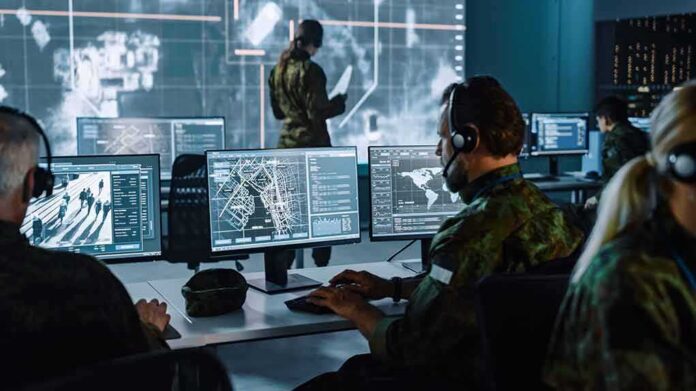
Washington now links North Korea’s elite hacker units to billions in crypto thefts that help the regime dodge sanctions and fund itself, and the pipeline that feeds those units starts with kids.
Story Snapshot
- U.S. actions tie Lazarus Group and related teams to North Korea’s intelligence service.
- Treasury says North Korea trains hackers to steal and launder money from banks and crypto.
- A former trainer and defectors describe a student pipeline feeding cyber units.
- Officials linked Lazarus Group to a $620 million crypto heist in 2022.
What U.S. officials have confirmed about DPRK hacker units
U.S. Treasury designations in 2019 formally identified Lazarus Group, Bluenoroff, and Andariel as agencies, instrumentalities, or controlled entities of North Korea’s government, tied to the Reconnaissance General Bureau, the state’s spy service. Treasury statements in 2020 said North Korea trains cyber actors to target financial institutions and launder stolen funds. A 2021 Justice Department indictment alleged three North Korean military hackers ran a wide scheme to steal from banks and cryptocurrency platforms. These actions outline a state-backed cyber program with theft as a core mission.
The Justice Department earlier charged programmer Park Jin Hyok, alleging he was part of the North Korean sponsored Lazarus Group and worked through a government front company. Treasury in 2023 spotlighted Pyongyang University of Automation as a top school for cyber instruction whose graduates often enter units under the Reconnaissance General Bureau. Together, these records present a consistent picture: named groups, named people, and named institutions link to a North Korean command chain that directs cyber theft and related operations to raise money and evade pressure.
How the talent pipeline reportedly works inside North Korea
Reuters reporting describes how North Korean authorities select about 150 to 200 children a year, starting around ages 11 to 12, and channel top students through elite universities into military cyber units, according to a former trainer and defectors. These sources describe coursework in math, coding, and foreign languages, with rewards for top performers and pressure to deliver results. This account aligns with Treasury’s description of a premier cyber school but rests on interviews for the specific figures. That detail is harder to verify from public records alone.
The reported pipeline fits a clear goal: build a steady flow of skilled operators who can breach banks and cryptocurrency firms. Over time, analysts have watched North Korean operations shift from political disruption to revenue generation. Teams allegedly use spearphishing, fake recruiters, and software supply chain attacks. They then move stolen tokens across many wallets to hide the trail. This method turns technical skill into hard currency for a heavily sanctioned state, raising stakes for exchanges and banks worldwide.
Documented operations and why they matter to Americans
Treasury linked Lazarus Group to the March 2022 theft of about $620 million in virtual currency from the Ronin blockchain tied to the game Axie Infinity. That heist, one of the largest on record, showed how a single breach can ripple across users, investors, and developers. The U.S. actions frame these attacks as state directed. This signals that cyber theft is not only crime but also a tool of national policy. That raises the bar for defense and response across the private sector.
For readers who worry that government protects elites while missing real threats, this story lands close to home. Banks, exchanges, pension funds, and small investors lose when protections fail. Conservatives see weak cybersecurity and loose oversight as another cost of global finance without strong guardrails. Liberals see working families exposed because complex markets reward insiders and shift risk onto the public. Both sides agree that basic safeguards should stop hostile states from draining savings and funding weapons with stolen money.
Policy friction and what comes next
Lawmakers demand faster action, but the tools are split across agencies and borders. The Department of the Treasury can sanction wallets and cut off mixers. The Department of Justice can indict hackers and seize assets. The Federal Bureau of Investigation (FBI) can trace flows and warn firms. Yet exchanges and developers span many countries, and criminals retool fast. Tougher identity checks, code audits, and incident drills help, but each adds costs that industry often resists until after a breach.
🔐 North Korea’s Secret Army of Hackers: How Kim Jong Un Built a Cyberwarfare Machine Behind the 3 Billion Binance Heist
-Fact Checker: ✅: 5 ❌: 0 || 5/5 → Score: 100% 🦾
-Prediction: 📈 4 Positive | 📉 1 Negativehttps://t.co/c3r4wCaimI— Undercode News (@undercode_news) November 6, 2026
Practical steps are clear. Firms should test staff with real phishing drills, lock down code builds, and use hardware keys for access. Companies should segment networks so one mistake does not open the vault. Policymakers should align rules so stolen coins cannot cash out easily. Officials already name groups, schools, and people with growing detail. That clarity should guide smarter defenses and sharper penalties. The goal is simple: make cyber theft harder, slower, and less profitable for North Korea and any copycats.
Sources:
youtube.com, reuters.com, businesstimes.com.sg, techtarget.com, justice.gov, biz.heraldcorp.com
© patriotspotlight.org 2026. All rights reserved.