
A planned “boycott ride” in Philadelphia publicly targeted six named restaurants as “Zionist establishments” on the eve of Kristallnacht, prompting statewide condemnation and a debate over where protest ends and identity-based targeting begins.
Story Snapshot
- A flyer named six businesses and said “These Zionist establishments must go.”
- Pennsylvania’s attorney general called the plan discriminatory and antisemitic.
- The timing fell on the eve of Kristallnacht’s anniversary, fueling outrage.
- Organizers said they oppose Zionism and support Palestinians, not Jews as a group.
What Happened: A Ride, A Flyer, and Six Named Targets
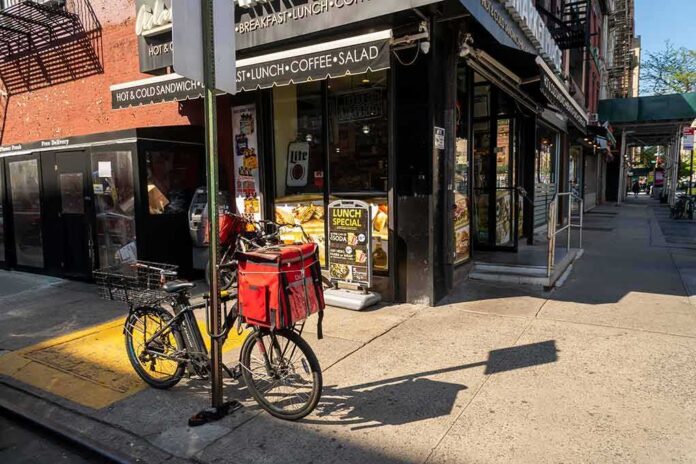
Philadelphia activists announced a bicycle “boycott ride” that listed six restaurants by name. The flyer called them “Zionist establishments” and urged that they “must go.” City and state leaders said several targeted businesses are owned by Jewish or Israeli Americans, including eateries linked to chef Michael Solomonov. The naming of private businesses raised fears of intimidation and economic harm, even if no violence was planned. Reports tied the event to Rittenhouse Square areas popular with diners.
Officials and reporters noted that organizers scheduled the ride for the evening before Kristallnacht’s anniversary. Kristallnacht marked the 1938 attacks on Jewish people, businesses, and synagogues in Nazi Germany. Critics said the timing and the call to remove listed shops echoed a dark pattern from history. Backers of the protest disputed that reading. They framed the target list as political, not religious. The symbolic date still shaped public reaction and media focus before the ride.
How Leaders Responded: Condemnation and Legal Framing
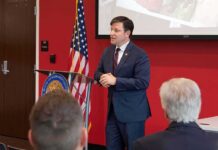
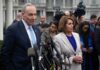
Pennsylvania Attorney General Dave Sunday said the plan singled out Pennsylvanians “based on their Jewish identity,” not policy, and called it discriminatory. His statement argued the protest crossed a line from political speech to identity-based targeting. Philadelphia leaders joined in denouncing the ride and urged residents to support the named businesses. The pressure signaled that the state may view such campaigns as civil rights issues if they target people for who they are, not for specific actions.
Media attention grew after these statements, but not evenly. Some national coverage appeared alongside local reporting, yet critics argued the response was too slow or too soft. They said larger outlets give selective attention to bias incidents and often bury stories that do not fit a favored narrative. Others countered that several major and local outlets did report on the controversy before the ride, undercutting claims of total media neglect. The record supports uneven coverage, not zero coverage.
What Organizers Say: An Ideological Boycott, Not Anti-Jewish
Organizers and allied groups said they oppose Zionism as an ideology and support Palestinians facing war and displacement. They said the boycott aimed at businesses they describe as promoting or funding Israeli policies. A post tied to the ride invited people to show solidarity with “oppressed people everywhere.” They argued that critics weaponize the antisemitism label to silence dissent against Israel. Their statements did not list all Jewish businesses, but focused on those labeled “Zionist.”
Six Philadelphia businesses are being publicly targeted ahead of Saturday’s “Boycott Ride.” It’s set for one day before the anniversary of Kristallnacht.
Choosing where to spend your money is one thing. Organizing to drive Jewish-owned businesses out of a city is something else… pic.twitter.com/WOB4er64YJ
— JEWISH LIFE NOW-Your tribe with a new vibe (@JewishLifeNow) November 6, 2026
This clash reflects a wider problem: the word “Zionist” can be a political label or a stand-in for Jewish identity. Context decides how people hear it. When activists name businesses linked to Jewish owners and call for their removal, many hear collective blame. When activists argue they oppose a state ideology, they claim protected political speech. The legal and cultural lines blur fast, and each side points to history to press its case and to warn of harm.
Why It Matters: Free Speech, Civil Rights, and Trust in Institutions
Americans agree that protest is a core right. The Supreme Court has protected nonviolent boycotts as speech. But the country also bans discrimination that targets people for who they are. The dispute in Philadelphia sits between those truths. If officials overreach, free speech suffers. If organizers cross into identity targeting, civil rights suffer. Many on the left and right see a system that applies rules unevenly, which deepens anger and erodes trust in media and government.
Authorities and communities will need clear tests that most people accept. Who is named, what language is used, and why a target was chosen all matter. So do the time and place of a protest, and whether conduct turns from speech to pressure or threat. Transparent standards could help reduce charges of bias. Without them, each fight will feel like a proxy war, with regular people stuck between rising hatred and a system they fear will not protect them fairly.
Sources:
mediaite.com, us.cnn.com, cbsnews.com, cityandstatepa.com
© patriotspotlight.org 2026. All rights reserved.