

The White House warned that Democrats’ looming oversight drive could cross into “blatant criminality,” signaling a showdown before the gavels even drop.
Story Snapshot
- White House Counsel Will Scharf sent a letter warning Democrats about planned investigations and subpoenas.
- Democrats are set to control both chambers, with Rep. Robert Garcia expected to lead House Oversight.
- The letter says Congress has subpoena power but must tie it to real oversight, not harassment.
- Garcia says Congress does not need White House permission and cites Article One authority.
What Prompted the Warning Letter
On Monday, White House Counsel Will Scharf sent a three-page letter to Representative Robert Garcia, the incoming chair of the House Oversight Committee. The letter responded to public plans by Democrats to investigate the Trump administration after winning control of both chambers in the midterms. Scharf warned that aggressive tactics could step beyond constitutional bounds and even amount to criminal acts. The message teed up a fight over the line between valid oversight and political pressure.
The White House framed the issue around purpose and process. Scharf wrote that Congress holds compulsory power for oversight, but only for oversight. He warned against subpoenas that appear meant to harass or intimidate officials, or that seek private data without a clear legislative goal. That stance accepts Congress’s role but narrows how committees should use it. It also hints at possible refusals, privilege claims, and court battles if lines get crossed.
How Democrats Plan to Use New Oversight Power
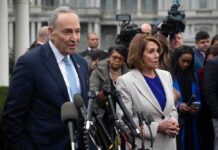
Democrats are positioned to run investigative committees in both the House and the Senate starting in January. Reporting identified Representative Robert Garcia as the expected House Oversight chair, a key post for subpoenas, hearings, and information requests. Garcia said Congress does not need permission from the White House to conduct inquiries and cited Article One of the Constitution as the source of authority. He added that it “appears Donald Trump has something to hide,” a claim that reflects his view, not proven fact.
Committees gain staff, subpoena tools, and scheduling control when a party takes over. That often leads to more document demands and depositions. While the research does not list adopted plans or specific targets, the incoming majority has signaled a broad oversight push. The White House letter acknowledged Congress’s subpoena power. But it warned Democrats to show a clear link to lawmaking needs if they demand records from agencies or current and former officials.
What the Law Says About Oversight and Subpoenas
The Supreme Court has long recognized that Congress’s power to investigate is part of its lawmaking role. House and Senate rules allow every standing committee to issue subpoenas, though courts limit fishing expeditions and protect some executive communications. Executive privilege claims can block or delay disclosures, and fights often move to federal court. That legal backdrop means both sides have tools, but neither side can steamroll the other without risk.
Trump could lose control of congress without losing the presidency.
His allies might lose something much more uncomfortable: congressional protection.
The Democrats aren't just preparing to drag administration officials through televised hearings.
They're preparing to use the… pic.twitter.com/RcYrDsHFgw
— HᴀɴᴅΞ (@handeh777) November 13, 2026
Enforcement adds another brake. Congress can hold witnesses in contempt, seek civil enforcement, or refer matters for prosecution. Each path takes time and can stall if courts or the executive branch resist. That reality shapes strategy on both sides. The White House letter signals planned resistance to what it calls abusive demands. Committee leaders will likely tailor requests to show a tight link to potential laws, which strengthens their case if a judge reviews a subpoena.
Why This Clash Matters Beyond Partisan Lines
The stakes go beyond party wins and losses. Many Americans believe the government serves insiders first. They see high costs, slow services, and few answers. Aggressive oversight can expose waste and abuse. But it can also become a stage for point scoring. This dispute will test whether Congress can run focused probes tied to real policy fixes, and whether the administration will honor lawful requests without hiding behind broad claims of privilege or fear.
Sources:
cbsnews.com, nytimes.com, pbs.org, latimes.com, abcnews.com, constitution.congress.gov
© patriotspotlight.org 2026. All rights reserved.