

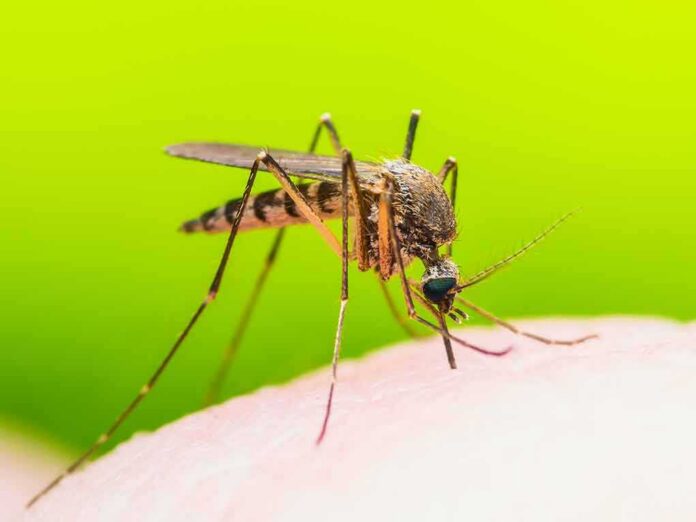
Not a single person attracted all three mosquito species in a new 119-volunteer study, upending the idea of a one-size-fits-all “mosquito magnet.”
Story Highlights
- Three common mosquito species preferred different people, not the same “magnet.”
- Scientists measured real mosquito behavior with a controlled olfactometer.
- Skin odors and bacteria patterns linked to species-specific attraction.
- Shared and unique odor cues suggest targeted, smarter repellents.
What The Study Found About Who Mosquitoes Target
Researchers at Florida International University tested 119 adults against three species: Aedes aegypti, Aedes albopictus, and Culex quinquefasciatus. The team reported that not a single participant attracted all three species. Each species showed different preferences across the same pool of people. This means one person can be very attractive to one species but less attractive to another. The result supports species-specific attraction rather than a single group of super-attractive humans.
The team used a controlled uniport olfactometer to measure mosquito attraction to each participant. This device isolates body odor and guides mosquitoes through a single port, so scientists can track choices with fewer outside factors. Measuring actual behavior matters. Surveys about “who gets bit” can mix in stories and bias. A direct lab test shows which odors pull which mosquitoes under the same rules and conditions for everyone tested.
The Odor And Microbe Signals Behind Species Preferences
Chemical patterns linked to the differences. Reports on the work say Aedes albopictus leaned toward people with higher ketone levels. Aedes aegypti and Culex quinquefasciatus tended to favor people with less overall skin odor. Some signals crossed species, too. All three species were drawn to more ethyl 2-methylbutanoate and pushed away by more 1-penten-3-ol. The mix of shared and unique cues fits a simple idea: mosquitoes use overlapping but not identical smell maps.
Skin bacteria also lined up with species choices. Coverage ties Aedes aegypti attraction to more Staphylococcus. Aedes albopictus tracked with microbes such as Streptococcus intermedius and Anaerococcus octavius. Culex quinquefasciatus showed its own microbial links. These are associations, not proof of cause in people. But they match a wider body of research that points to skin microbes as key makers of human odor that mosquitoes can read.
Why This Matters For Health, Products, And Policy
Different species spread different diseases and bite at different times. Aedes aegypti can carry dengue, Zika, and yellow fever. Culex quinquefasciatus can spread West Nile virus. If species follow different odor cues, then one repellent or lure will not work best for all. City health teams and product makers may need species-tuned tools. That could mean blends that block shared attractants and also target the unique chemicals each species favors.
A new Florida International University study finds each mosquito species is drawn to its own mix of human skin odors, chemicals, and bacteria, challenging the idea of a universal mosquito magnet and pointing toward better repellents. 🦟 pic.twitter.com/sQcl6XP8KV
— Bio DNA (@biodnaa) November 11, 2026
The researchers deposited their data and code in a public Dryad archive. Open data lets others check results, test new models, and try to predict who attracts which species. That helps turn a lab finding into better field tools. The study is a strong start, but it came from one group and one set of 119 people. More tests across seasons, places, and mosquito strains can show how far these patterns go in real life.
How To Use The Findings Without The Hype
Readers often hear that some people are “mosquito magnets.” This work says the picture is more complex. You might be a magnet for one species and not another. The science here looked at odor-driven attraction under controlled rules, not outdoor biting with wind, heat, clothing, and movement. Public health plans should match that nuance. Smarter, species-aware strategies can cut waste, focus on what works, and respect tight budgets while protecting families from disease.
Sources:
sciencedaily.com, wusf.org, pmc.ncbi.nlm.nih.gov, datadryad.org
© patriotspotlight.org 2026. All rights reserved.