
Armed rebels using a crackling radio signal to warn foreign oil tankers away from a key sea lane is the latest sign that global trade now lives at the mercy of distant power struggles.
Story Snapshot
- Yemen’s Houthi forces declared a naval blockade on Saudi Arabia and followed up with direct radio warnings to ships.
- The radio message, recorded in the Bab al-Mandeb Strait, warned Saudi-linked vessels they would be “targets” if they ignored the order.
- The Houthis say this is “an eye for an eye” response to years of Saudi-led restrictions on Yemen and recent airstrikes.
- Blocking this chokepoint could cut global oil supplies and again expose how fragile and politicized world trade has become.
Houthis Move From Words to Wireless Warnings
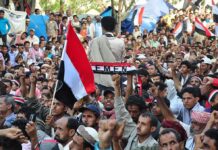
On July 20, Yemen’s Iran-backed Houthi movement announced what they called a “maritime embargo” and “complete naval blockade” against Saudi Arabia, saying it would take effect immediately. They framed the step as retaliation for what they described as an “unjust and oppressive siege” and years of Saudi-led pressure on Yemen. Within two days, the International Chamber of Shipping said ships had recorded Houthi radio warnings in regional waters, turning a political statement into a direct message to captains at sea.
The recorded radio call, captured by a ship in the Bab al-Mandeb Strait, opened with “Yemeni naval force calling you on channel 1-6.” The voice cited a July 20 decision by “Yemeni armed forces” to “prevent navigation to Saudi ships because of the constant siege to Yemeni nation.” It then warned that all ships “belonging to Saudi enemy” using the Red Sea and Gulf of Aden would be targets if they did not comply. Shipping groups say this proves the blockade threat is not just propaganda but is being pushed directly into ship communications.
Why This Narrow Strait Matters to the World
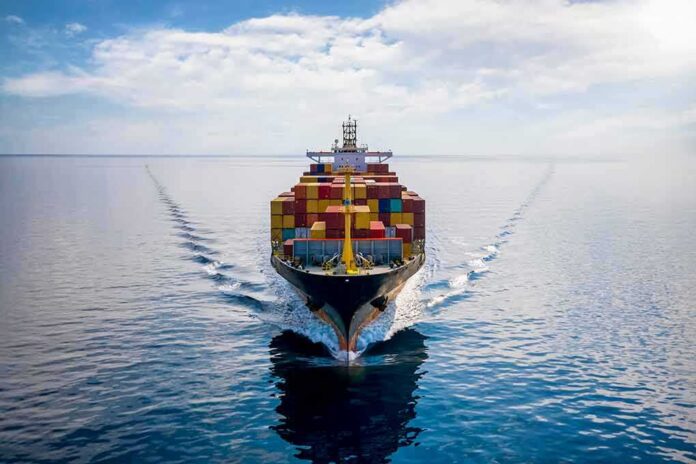
The Bab al-Mandeb Strait is a tight waterway at the south end of the Red Sea, right off Houthi-controlled Yemen, and Saudi Arabia depends on it to move oil to Asia and other markets. Analysts warn that fully closing this route could cut global oil supplies by about seven percent and spike prices for fuel and goods far beyond the region. After the blockade announcement, several tankers carrying Saudi oil reportedly diverted course rather than risk crossing a zone where rebels now speak of targeting ships by radio.
For Americans and many others, this feels like yet another distant crisis that still hits home through higher energy bills and shipping costs. People on the right remember years of warnings about globalist supply chains that can be choked overnight. People on the left see another example of how wars and sanctions in far-off places keep widening the gap between wealthy insiders and families already struggling with inflation. Both sides can see that a single armed group on a coastline now has leverage over the price of gasoline and goods at home.
Houthis Claim ‘Blockade for Blockade’
Houthi leaders say they are answering Saudi policy with the same tool Saudi Arabia used on them, calling their move “based on the equation of ‘an eye for an eye’” and “the right of our great people to respond to the blockade with a blockade.” For years, the Saudi-led coalition has restricted Yemen’s ports and airspace, a system critics describe as a blockade that deepened the country’s humanitarian disaster. Human Rights Watch and others have long argued that these measures badly limited food, fuel, and medicine for civilians.
Legal scholars note that both sides sit in a gray area under international law, because Yemen’s war is classified as a non-international armed conflict. Some experts say neither the coalition nor the Houthis have a clear legal right to impose naval blockades on foreign-flagged vessels the way regular navies do in traditional wars. Human rights groups have already said earlier Houthi attacks on civilian cargo ships were apparent war crimes. So while the Houthis talk about justice and reciprocity, their threats raise serious concerns about civilian safety and the rules meant to keep sea lanes open.
War By Chokepoint and Radio Signal
Since late 2023, the Houthis have used missiles, drones, and public warnings to disrupt shipping in the Red Sea and near Bab al-Mandeb, especially against vessels they claim are tied to Israel and Western allies. Their leaders have openly said they monitor the strait for target ships and will not hesitate to strike. Western navies, led by the United States, have launched task forces and even airstrikes in Yemen trying to protect commercial traffic and reassert “freedom of navigation.” Yet, new declarations and warnings keep coming, proving that smaller armed groups can still shape global trade routes.
Houthi blockade sets Saudi tankers on fire in Bab al-Mandeb.
Iranian proxies escalating. Time to clear the strait with real force – not more warnings.
— David Rush 🔥 (@davidrush) July 22, 2026
For many Americans, this deepens a familiar worry: the system that moves oil and goods around the world looks strong on paper, but in practice it relies on fragile chokepoints and political promises. When distant armed factions can threaten tankers by radio and force ships to turn around, it reminds people on both the left and right that the “rules-based order” is often enforced only when it suits powerful interests. Everyday citizens pay the price in higher costs, while elites argue over legal terms like “blockade” and “embargo.”
Washington Watches While Ordinary People Brace
The Council on Foreign Relations notes that this new Saudi-focused blockade comes on top of earlier threats against Israel and Western-linked shipping, creating what some call “another Hormuz” crisis in the Red Sea. In Washington, leaders talk about defending navigation and punishing those who disrupt trade, yet voters have watched similar crises for years without seeing more secure energy policies at home. Many conservatives see this as proof that globalism made America’s economy hostage to faraway conflicts. Many liberals see yet another case where war decisions abroad outweigh domestic investment in fair, stable systems.
What ties these views together is a growing belief that the federal government reacts to crises like this but rarely fixes the underlying vulnerability. The Houthis’ radio warning is aimed at Saudi ships, but the shock waves hit every country wired into the same global market. As tankers reroute and insurance costs climb, the message many Americans hear is simple: distant elites and armed groups keep playing dangerous games with the lifelines of everyday life, and the people stuck in the middle are the ones who pay.
Sources:
insiderpaper.com, upi.com, abcnews.com, defencesecurityasia.com, aljazeera.com, en.ara.cat, youtube.com, cfr.org, en.wikipedia.org, arabcenterdc.org, academic.oup.com
© patriotspotlight.org 2026. All rights reserved.