
The nation’s top homeland security official attacked Islam by name while warning about “extreme Islam,” putting faith and national security on a collision course days before a key Senate race.
Story Highlights
- Homeland Security Secretary Markwayne Mullin warned about “extreme Islam” and questioned a Michigan Senate candidate’s ties.
- Mullin cited the Muslim Brotherhood as a threat; the candidate, Abdul El-Sayed, has publicly disavowed the group.
- Fact-checkers and news outlets report no evidence El-Sayed plans to impose religious law in the United States.
- The clash reflects a long-running pattern where faith and security fears shape voter views.
What Mullin Said And Why It Matters
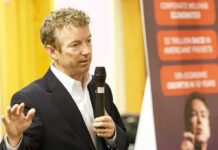
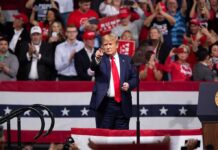
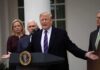
Homeland Security Secretary Markwayne Mullin warned that the Muslim Brotherhood seeks to harm the United States and said any association with it should raise concern. He delivered the remarks while criticizing Michigan Democratic Senate nominee Abdul El-Sayed’s past comments about Islamic religious rules and personal practice. Mullin’s focus on religion, not only policy, makes this more than a campaign dust-up. It raises a core question: where security fears end and religious freedom begins.
The comments hit during a tense final stretch of the 2026 midterms. Republicans control Congress and the White House, and voters in both parties are frustrated with costs, crime, and distrust in government. When the nation’s top security official links a candidate’s faith practice to a national threat, it sends a powerful signal. Supporters may see vigilance. Critics may see government singling out a minority faith. Both sides worry elites dodge real problems.
What El-Sayed Has Said In Response
Abdul El-Sayed has said he would disavow the Muslim Brotherhood and pushed back on claims that his Muslim faith signals loyalty to any group outside the United States Constitution. He has argued that religious practice should be protected while keeping church and state separate. He has also said no one is trying to impose religious law on others in America and that preemptive bans target Muslims as a minority community.
Major outlets have added context. Fox News reported it was not aware of any proposal by El-Sayed to implement religious law in the United States and highlighted his campaign’s statement supporting separation of church and state. Bridge Michigan reviewed the record and reported no evidence that El-Sayed had ties to or pledged support to the Muslim Brotherhood. A PolitiFact review said video shows El-Sayed did, in fact, disavow the group.
How To Weigh Threats Versus Rights
National security officials must warn about real threats, including violent groups that twist religion to justify harm. Voters also expect government to be fair and avoid targeting people for private faith. Research on elections shows that negative stereotypes of Muslims have shaped voter views for years, which means these debates can be less about facts and more about fear. That tilt can make it harder to focus on evidence of conduct rather than identity.
🚨 DHS SECRETARY JUST WENT NUCLEAR ON NATIONAL TV 🚨
Markwayne Mullin didn’t hold back. He didn’t soften it. He didn’t play nice.
He exposed the unfiltered truth that the media refuses to touch:
Muslims are taught it’s permissible to LIE directly to our faces while advancing… pic.twitter.com/gNBY1tJNdi— CONSTITUTION X 🇺🇸 (@ConstitustionX) October 20, 2026
The practical test is simple and tough. Officials should present clear, checkable facts about any claimed tie to a dangerous group. Candidates should state where they stand on the law and the Constitution, and the record should be reviewed. In this case, Mullin’s warning raises the stakes, while public records show El-Sayed has disavowed the Muslim Brotherhood and says he opposes writing religious rules into U.S. law. Voters can demand both safety and equal treatment under the law.
Sources:
thegatewaypundit.com, dailywire.com, onlinelibrary.wiley.com
© patriotspotlight.org 2026. All rights reserved.