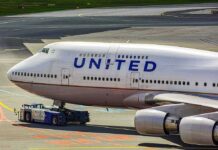


A single tech failure at United Airlines froze departing flights nationwide, stranding travelers and exposing how one broken link can stall an entire system.
Story Snapshot
- United said a “widespread system outage” hit departing flights but not planes already in the air.
- The airline apologized and said teams were working to restore operations as fast as possible.
- Independent outlets reported the outage as systemwide, matching United’s own description.
- The incident came days after a nationwide Federal Aviation Administration ground stop.
United Confirms Outage Impacting Departures
United Airlines said Monday, November 16, that it was dealing with a “widespread system outage” affecting departing flights across its network. The airline said flights already in the air were not impacted, and United Express operations were described as unaffected. United apologized to customers and said teams were working to restore service as soon as possible. The carrier asked travelers to check for updates while troubleshooting continued.
Major newsrooms reported United’s own wording, calling the event a systemwide or widespread outage. The Associated Press said United confirmed a systemwide outage. Local CBS coverage in Chicago and national reports echoed the same scope and timing. The language matched United’s posts and statements, which framed the problem as a technology issue centered on departures rather than an in-flight safety threat. The airline did not publish a root cause or a repair timeline in those early messages.
What the Outage Did—and Did Not—Disrupt
United said the technology problem mainly blocked planes from taking off. Reports described airports where United departures could not leave gates, which is consistent with dispatch or departure-control issues. Aircraft already in the air continued on filed flight plans, which often happens when a ground system fails. United emphasized that in-progress flights were not affected, and United Express operations were continuing, though full independent validation of every flight category was not available in initial reports.
The airline’s apology and instruction to check flight status show this was an active operations incident, not rumor or isolated delay. Yet United did not specify which systems failed, how long the outage lasted, or how many flights and passengers were hit. That gap leaves customers with practical questions about connections, rebooking, and compensation. Early coverage focused on stalled departures and airport headaches while noting the lack of technical details from the company at that stage.
Why These Failures Stop Planes but Not Planes Already Airborne
Modern airlines depend on linked software for weight-and-balance data, crew scheduling, dispatch releases, and more. When one layer breaks, new departures can halt even if aircraft in the sky continue under existing clearances. That is why “systemwide” often describes organizational reach, not failure of every tool on every plane. Reports tied the United event to this pattern, where ground-based tools fail and pause takeoffs, while flights already airborne proceed under normal procedures and oversight.
This outage followed a rare nationwide ground stop by the Federal Aviation Administration days earlier. News headlines placed the events side by side, which spotlighted wider stress in the nation’s travel systems. United’s statements did not link the events, and early reporting did not show a confirmed connection. Still, close timing draws scrutiny from flyers, lawmakers, and regulators who see fragile systems that can fail without warning and upend travel for thousands in minutes.
What Travelers Should Do Right Now
Travelers should confirm their flight status with United before heading to the airport, then allow extra time if they must travel. When systems come back, airlines often need hours to reset aircraft, crews, and gates. Missed connections can ripple through the day. Keep receipts for meals or hotels if delays stretch into the night. Ask about rebooking options and fee waivers. United signaled it would post updates as work continued, which is the best source for current status.
Bigger Picture: Fragile Infrastructure, Real-Life Costs
Americans on both the left and right see a pattern here. One software glitch, one failed server, and everyday people pay with lost time, missed paychecks, and extra costs. The systems are complex, but the promise is simple: keep planes moving safely and on time. When that promise breaks, trust in large institutions drops. Clear facts, quick fixes, and full after-action reports help restore that trust. United’s next step is to explain what failed, how it was fixed, and how it will prevent a repeat.
Sources:
© patriotspotlight.org 2026. All rights reserved.