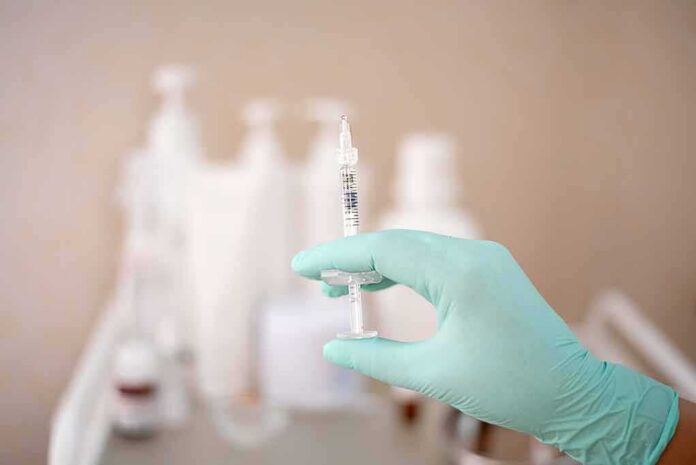
A 28-year-old in Manchester says she injected her own lip fillers at home after clinics refused to treat her, reviving safety worries about do-it-yourself cosmetic injections.
Story Snapshot
- A woman reports self-injecting lip filler after multiple clinics said more filler was unsafe.
- She claims she took an online course and ordered 20 syringes of filler from abroad.
- The Food and Drug Administration warns against self-injecting cosmetic fillers due to serious risks.
- Medical reviews link self-injection to infections, vascular injury, and lasting damage.
What She Says Happened And Why It Matters
The Mirror reports that Sofia Lips, 28, from Manchester, self-injected lip filler at home after clinics refused to add more. She says professionals warned her lips were too stretched and that extra filler could be dangerous. She says she ignored the advice and proceeded anyway, seeking a more dramatic look. The case highlights a growing online culture around do-it-yourself injectables. It raises safety and consumer issues that cross politics: product quality, medical risks, and weak oversight of online sellers.
According to the report, she paid about £500 for a six-week online course that covered injection topics. She then ordered 20 one-milliliter syringes from a retailer based in Korea for about £488. The story does not name the clinics or the training provider. But the details echo a pattern seen in other incidents: when in-person providers refuse treatment on safety grounds, some consumers turn to online training and mail-order products to get the look they want.
Known Medical Risks From Self-Injection
United States health regulators warn the public not to self-inject fillers. The Food and Drug Administration (FDA) says people should not inject dermal fillers themselves and should not use needle-free devices like hyaluron pens for fillers. The agency cites risks that include infection, tissue death, and scarring. A recent medical review of self-injection cases found 38 complications among 18 patients, with lips the most common site and swelling the most reported problem. These are preventable harms when care is done by trained clinicians.
Clinical literature also documents severe events from improper injections. Reported complications include vascular compromise, oral ulcers, foreign body reactions, and infections tied to poor sterility. In some cases, damage can be rapid and permanent if filler blocks blood flow. Doctors can treat certain filler injuries with drugs like hyaluronidase, but fast action is crucial and not always available outside a clinic. These facts make at-home injections an outsized risk for small cosmetic gain.
Why People Still Try DIY And The System Gaps It Exposes
People attempt at-home injections for several reasons. Cost is a driver, as is the desire for a specific “extreme” look that many clinicians will not provide. Easy online access to courses and supplies lowers the barrier. Social media content normalizes the behavior and makes it look simple. When clinics refuse care, some consumers view that as a roadblock to work around, not a warning to heed. That mindset clashes with safety rules designed to protect patients, even from non-surgical choices.
The supply chain for do-it-yourself products adds risk. Some online sellers market devices and solutions that are not approved for use in the United States, or that are misbranded. Regulators have issued warning letters against companies selling unapproved injection products. Enforcement, however, lags the volume of online sellers and posts, which means unsafe items can still reach consumers. This gap undermines trust that the market will filter out risky products on its own.
Public Health Stakes And Practical Takeaways
This story taps a broader worry across the political spectrum: systems that should protect people often fail to do so in real time. Consumers can buy risky injectables faster than agencies can police them. Clinics that say “no” may keep a patient safe, but the same refusal can push someone to seek unsafe options at home. Health leaders say people should avoid self-injection and instead use licensed professionals who can manage complications immediately.
Readers considering cosmetic work can take a few steps. First, consult a licensed clinician who can explain risks and limits. Second, treat a clinic’s refusal as a safety sign, not a challenge. Third, avoid any do-it-yourself kit or device, needle or needle-free. Finally, be wary of online courses that suggest injections are simple to learn at home. The real-world record shows the opposite: self-injection raises the chance of infection, injury, and lasting harm.
Sources:
mirror.co.uk, cm.asiae.co.kr, abcnews.com, nypost.com
© patriotspotlight.org 2026. All rights reserved.