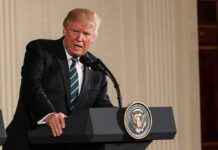


The Trump administration’s recent policies have sparked new debates as a tiny Caribbean nation agrees to take in U.S. asylum seekers, marking a controversial shift in immigration strategy.
Story Highlights
- New agreement with a Caribbean nation to house U.S. asylum seekers.
- Trump’s administration continues to tighten asylum policies.
- Critics argue this move undermines American immigration values.
- Supporters claim it’s necessary to manage the immigration crisis.
Trump Administration’s New Asylum Agreement
In a significant development, the Trump administration has secured a deal with the Caribbean nation of Dominica to house U.S. asylum seekers. This agreement is part of a broader strategy to reform asylum policies, which have been a focal point of the administration’s immigration agenda since Trump resumed office in 2025. The deal comes amid ongoing debates about America’s handling of asylum seekers and immigration policies.
This move has been met with both support and criticism. Advocates for stricter immigration control view it as a necessary step to alleviate the pressure on the U.S. immigration system. They argue that it will help manage the large number of asylum seekers currently overwhelming the system. However, critics argue that this agreement could undermine America’s long-standing values related to immigration and asylum.
Impact on U.S. and Caribbean Relations
The agreement with Dominica is expected to have significant implications for U.S.-Caribbean relations. While the deal may provide temporary relief to the U.S. immigration system, it places a considerable burden on Dominica. The Caribbean nation, with its limited resources, will face challenges in accommodating and processing asylum seekers. This could strain its infrastructure and resources, requiring additional support from the U.S. government.
Despite these challenges, the Trump administration is keen on pursuing similar agreements with other nations. This strategy reflects an ongoing effort to externalize immigration control and shift the burden of asylum processing to other countries. Supporters believe this approach will strengthen border security and uphold national sovereignty.
A Broader Strategy on Immigration
The deal with Dominica is part of a broader strategy by the Trump administration to overhaul the U.S. immigration system. Recent policies have included suspensions of asylum processing at the southern border and expanded travel bans affecting multiple countries. These measures aim to tighten immigration controls and address what the administration perceives as gaps in the current system.
While these policies have been lauded by those advocating for stricter immigration controls, they have also faced significant backlash. Critics argue that such measures compromise humanitarian principles and America’s role as a leader in global human rights. The ongoing debate highlights the complex nature of immigration reform and the challenges in balancing security with compassion.
Sources:
Important Changes for Asylum Seekers Under the Trump Administration
A Timeline of the First Trump Administration’s Efforts to End Asylum
Featured Issue: Asylum Under Trump 2.0
Trump Administration’s Alarming New Attacks on Refugees and Asylum Seekers