A Texas Air National Guard F-16 crashed during a routine training flight in Michigan, but the pilot ejected and survived, officials said.
Story Snapshot
- Texas Air National Guard confirms pilot ejected before an F-16 crashed in Michigan.
- Pilot was taken to a local hospital for treatment; officials report no fatalities.
- Military and state authorities began an investigation and area safety measures.
- Early reports mirror a common crash pattern: quick survival updates, cause pending.
What Officials Confirmed After the Crash
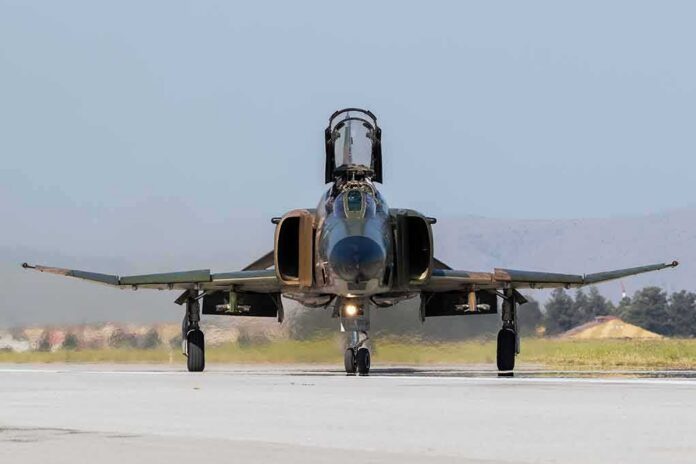
Texas Military Department officials said an F-16 Fighting Falcon from the 149th Fighter Wing went down during a routine training mission in rural Michigan. The pilot ejected before impact and was receiving care at a local hospital. Associated Press and other outlets cited unit spokespeople for these details, which match standard first reports after military aviation mishaps. Michigan authorities described smoke at the site and initial safety steps for nearby residents, with no deaths reported.
Military units often release the first solid facts in these events. They control the crash scene, the initial timeline, and the pilot’s status. That structure means early updates focus on life safety and community risk, while the cause takes time. Air and Space Forces Magazine noted that investigators typically need weeks or months to finish formal accident reviews. Those reviews test systems, human factors, and maintenance records to explain what failed and why.
Where and Why the Jet Was Flying
Officials said the F-16 launched from training facilities tied to the Air National Guard’s Combat Readiness Training Center in Alpena, Michigan. These centers host regular drills to keep pilots ready for real missions at home and abroad. Stars and Stripes reported the aircraft “experienced an incident” mid-mission that led to the ejection and the crash. The wing confirmed the pilot survived and that the crash triggered a standard safety and investigation process.
Training flights like this one serve a clear purpose. Pilots practice takeoffs, landings, air combat basics, and emergency procedures. That practice can save lives when something goes wrong. Accident history shows that many F-16 pilots survive because of fast action and reliable ejection seats. Prior Air Force investigation reports document successful ejections when pilots act within the seat’s safe limits, which appears consistent with this case based on the unit’s account.
How Investigations Usually Unfold
Accident boards study pilot inputs, engine data, and maintenance logs. They also test debris, review weather, and interview witnesses. The goal is to find the primary cause and any contributing factors. Past reports have found causes that range from engine failures to pilot error to maintenance issues. One summary of recent F-16 mishaps emphasized that, despite headline crashes, officials do not see a broad safety crisis across the fleet.
Air and Space Forces Magazine reporting on the Michigan crash said state police shared that the pilot was stable at a local hospital and that there were no other known injuries. The wing also confirmed that the crash was under investigation. Those statements fit the normal arc of these events: confirm survival, secure the area, then gather facts with care. Final findings can take time, but they often lead to changes in training or maintenance to reduce repeat risks.
Why This Matters Beyond One Crash
Communities near training ranges live with steady jet traffic and the small but real chance of a mishap. People want two things: honest updates and proven safety steps. This case delivered both early. Officials reported the pilot’s status, noted the lack of reported deaths on the ground, and began the formal review. For readers across the political spectrum, this is the kind of government action that should be routine: clear facts fast, and accountability later through a public report.
🚨 US F-16 CRASHES NEAR KEY NATO AIR BASE IN GERMANY, PILOT EJECTS SAFELY
SPANGDAHLEM, GERMANY – Training flights can continue almost immediately, but every squadron operating similar aircraft will now face added scrutiny of maintenance procedures, flight records and recent… pic.twitter.com/zSwrb2uGDx
— The Content Factory (@tcf_updates) September 23, 2026
The bigger picture is readiness. Pilots cannot defend the country if they do not train. Training carries risk, and risk must be managed. The pattern here shows how the system is supposed to work when something breaks. The pilot used the escape system in time, first responders protected locals, and investigators stepped in. As results arrive, the key test will be whether the Air Force and the Air National Guard turn findings into fixes that make the next flight safer.
Sources:
cnn.com, abcnews.com, stripes.com, thehill.com, 13abc.com
© patriotspotlight.org 2026. All rights reserved.