
Venezuela’s sudden break with the world’s war‑crimes court hands Washington a symbolic win in its long fight against global prosecutors, while raising fresh doubts about who, if anyone, holds powerful governments to account.
Story Snapshot
- Venezuela has formally started an “irrevocable” withdrawal from the International Criminal Court, accusing it of bias against the Global South.
- The move comes as the court probes alleged crimes against humanity by Venezuelan security forces during past crackdowns.
- The United States, which also rejects the court, publicly welcomed Venezuela’s decision and called the court corrupt and politically biased.
- Supporters of the court say the withdrawal weakens accountability and sends a signal that leaders can dodge scrutiny when it gets too close.
Venezuela’s formal break with the International Criminal Court
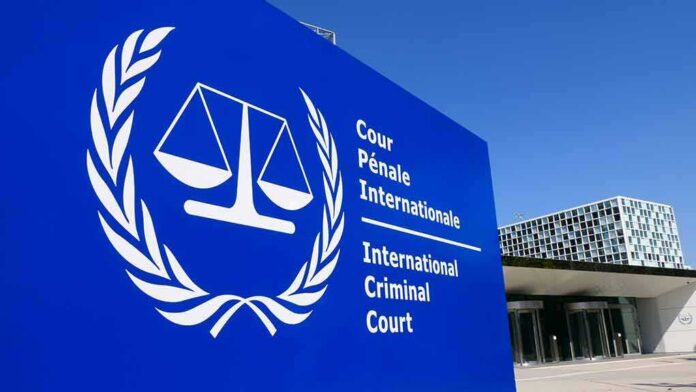
Venezuela has told the United Nations that it is withdrawing from the Rome Statute, the treaty that created the International Criminal Court in The Hague, and described the decision as “firm” and “irrevocable.” Foreign Minister Felix Plasencia announced the step on social media, saying the government had begun the legal process to leave the court under Article 127 of the treaty, which allows a state to quit one year after giving formal notice. The move caps months of internal debate.
Venezuela’s decision follows a vote in its National Assembly in late 2025 to repeal the law that had ratified the Rome Statute more than two decades ago. Lawmakers loyal to the government argued at the time that the court had become “useless” and subservient to Western, especially United States, interests, and said withdrawal was needed to defend national sovereignty. Since then, officials have steadily stepped up their criticism of the court and prepared the public for a complete exit.
Claims of bias and the shadow of past abuses
Plasencia and other leaders say the court shows a “geographical bias” because so many of its cases involve countries in Africa and Latin America, and they argue this proves a pattern of discrimination against the Global South. Acting President Delcy Rodriguez has accused the court of being politicized and used as a tool to punish governments that defy Western power. Supporters of withdrawal frame the step as part of a larger struggle for self‑determination and fair treatment in global institutions.
The timing is not accidental. The court has been investigating alleged crimes against humanity tied to Venezuela’s harsh response to anti‑government protests and other crackdowns in recent years, including actions under the previous Maduro government. A United Nations fact‑finding mission said it was “gravely concerned” that leaving the court would undermine accountability for serious human rights abuses and urged Venezuela to rejoin. Legal experts note that, under the treaty, quitting does not erase investigations that are already open.
Why Washington is calling this a victory
The United States government, which has never joined the court and has clashed with it for years, quickly praised Venezuela’s decision. The State Department said it welcomed the move and the new Venezuelan government’s “partnership on American‑led efforts to dismantle the corrupt and worthless” court. U.S. officials again accused the court of political bias and selective enforcement, echoing some of the same core complaints that Venezuelan leaders have used in their own statements.
For many Americans who distrust global bodies, this looks like a win for national sovereignty over unelected foreign judges. Washington has long argued that no outside court should have power over U.S. troops, presidents, or allies, and has even imposed sanctions on court staff in past disputes. Venezuela’s break from the court gives U.S. officials fresh proof that the institution is losing support, especially among countries that say they are tired of double standards in international law.
Accountability worries and a deeper crisis of trust
Human rights advocates warn that Venezuela’s exit sends the opposite message: that leaders can walk away from the rules when those rules start to bite. The International Criminal Court told reporters that, under its founding treaty, any withdrawal takes effect only after one year and does not affect cases already before judges, meaning probes into alleged abuses in Venezuela can continue for now. Still, practical cooperation, like access to documents or witnesses, may become much harder once the withdrawal is complete.
🚨 Venezuela withdraws from the ICC.
Venezuela joined ICC in 2002, but disagreements arose over investigations.
Investigations into alleged crimes against humanity will proceed despite withdrawal.— The Global Wire (@TheGlobalWires) July 27, 2026
The clash highlights a broader problem that both American conservatives and liberals often see at home: powerful institutions that seem unaccountable, selective, and driven by politics instead of clear rules. Supporters of the court say it is one of the few tools to challenge war crimes and mass killings when local courts fail, while critics see a distant elite legal class picking targets and ignoring others. Venezuela’s move, celebrated in Washington yet feared by rights groups, underlines how deep the global trust gap has become.
Sources:
zerohedge.com, state.gov, aljazeera.com, reuters.com, efe.com, jpost.com, usnews.com
© patriotspotlight.org 2026. All rights reserved.