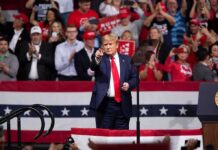

Washington just backed a plan to slap punishing tariffs on countries that buy Russian oil and gas, raising the stakes for America’s economy, its allies, and its promise to stand against war.
Story Snapshot
- Trump has “greenlit” a bipartisan bill to hammer buyers of Russian oil and gas with massive tariffs.
- The plan uses U.S. trade power to punish entire countries, not just companies, that keep buying from Moscow.
- Supporters say the bill will choke off money for Russia’s war in Ukraine, but experts warn it could backfire on U.S. consumers and workers.
- The fight highlights a deeper problem both left and right see: Washington reaching for blunt tools instead of fixing a broken energy and foreign policy system.
What the new Russia oil sanctions bill would do
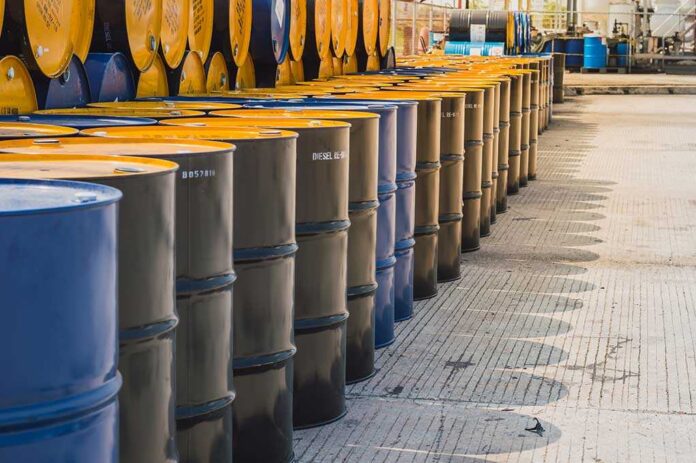
The Trump administration has signaled support for a new sanctions bill that goes after countries buying Russian oil, gas, uranium and other exports. Republican Senator Lindsey Graham, one of the bill’s authors, says Trump “greenlit” the measure during a White House meeting and that Congress could vote on it soon. The bill would let Washington slap tariffs of up to 500 percent on goods and services imported from Russia, and also from countries that keep trading in Russian energy. That means nations like India and China, major buyers of Russian crude, could see huge new costs on everything they sell into the U.S. market.
This “secondary tariffs” idea represents a sharp escalation beyond normal sanctions. Instead of targeting specific banks or oil companies, the bill punishes entire economies that do business with Russian energy. Under the draft, any country that “knowingly engages in the exchange of Russian‑origin uranium and petroleum products” could face a 500 percent duty on its exports to the United States. Backers say this will finally force nations sitting on the sidelines to choose between cheap Russian oil and access to the U.S. market.
How this fits Trump’s wider Russia and energy strategy
This tariff push comes on top of other moves by the Trump administration that show a mixed, sometimes conflicting, approach to Russian oil. During the war with Iran, the U.S. Treasury temporarily waived sanctions to allow sales of Russian crude already at sea, saying it wanted to help “energy‑vulnerable” countries and calm soaring prices. Those waivers let imports of Russian crude rise sharply in March, boosting Moscow’s revenue even as Washington claimed it was defending global energy security. Critics at places like the Atlantic Council and Columbia University argue these steps weakened sanctions and helped fund Russia’s war machine.
Now, Trump is backing a bill that swings hard in the opposite direction, threatening to “exact a heavy price” from buyers of Russian energy rather than briefly protect them. This whiplash reflects a larger pattern: U.S. policy bouncing between tough enforcement and short‑term market fixes whenever crises hit oil supply. For ordinary Americans, that looks less like a careful plan and more like a guessing game run by elites who never seem to pay the cost themselves.
Why supporters and critics are both worried about blowback
Supporters of the bill say the goal is simple: cut off Russia’s main source of cash so it cannot keep funding the war in Ukraine. They argue that as long as big economies keep buying Russian oil and gas, normal sanctions will never bite hard enough. By threatening huge tariffs on all exports from countries that buy Russian energy, backers believe they can force governments like India’s and China’s to stop feeding Moscow’s budget. For many Americans who are tired of endless wars and half‑hearted penalties, this sounds like finally getting serious.
But trade and security analysts warn this kind of tariff weapon could hit the United States as well. A 500 percent duty would disrupt supply chains, raise costs for imported goods, and invite retaliation from targeted countries. That could hurt U.S. manufacturers, farmers, and consumers who already struggle with inflation and high energy bills. Experts also note that Trump has leaned heavily on tariffs as a “magic remedy” for many problems, even though past rounds have produced mixed results and new tensions with allies.
What this means for Americans who feel Washington is failing them
For conservatives who are angry about globalism, high energy costs, and a government that seems to protect foreign interests over U.S. workers, this bill may look like a long‑overdue effort to stand up to Russia and its customers. It directly targets countries that undercut Western sanctions and signals that cheap Russian oil will now carry a steep price in American markets. For liberals who worry about war, human rights, and growing gaps between rich and poor, the promise to choke off money for Russia’s military can also seem appealing.
Trump administration greenlights legislation to ‘exact a heavy price’ on buyers of Russian oil and gas | Victor Nava, New York Post
The Trump administration will back legislation to sanction Russian oil and gas exports that have been fueling Vladimir Putin’s long and bloody war… pic.twitter.com/XnXFO1DGN3
— Owen Gregorian (@OwenGregorian) July 11, 2026
Still, both sides have reasons to doubt whether Washington is finally putting citizens first. The same government that greenlights punishing tariffs also issued waivers that boosted Russian oil exports when it suited short‑term price goals. Energy policy keeps swinging between emergency fixes and harsh threats, without a clear plan to secure affordable energy at home while truly isolating aggressors abroad. That feeds the sense that the “deep state” and political class reach for blunt tools, talk tough, and then leave regular Americans to absorb the fallout in their paychecks, utility bills, and retirement accounts.
Sources:
washingtonexaminer.com, rferl.org, thehill.com, aljazeera.com, timesofindia.indiatimes.com, youtube.com, reuters.com, nytimes.com, en.wikipedia.org, x.com
© patriotspotlight.org 2026. All rights reserved.