Cracker Barrel’s chief executive is stepping down after a modernization push erased beloved traditions and sparked a customer revolt that the company could not shake.
Story Snapshot
- Cracker Barrel CEO Julie Felss Masino will leave the top job on August 10.
- The exit follows a redesign that removed classic decor and a logo element, drawing backlash and a rollback.
- Shareholders kept Masino last fall but signaled anger by dropping a board member during the flare-up.
- Veteran operator David Deno is set to take over leadership next month.
What Changed And Why It Failed
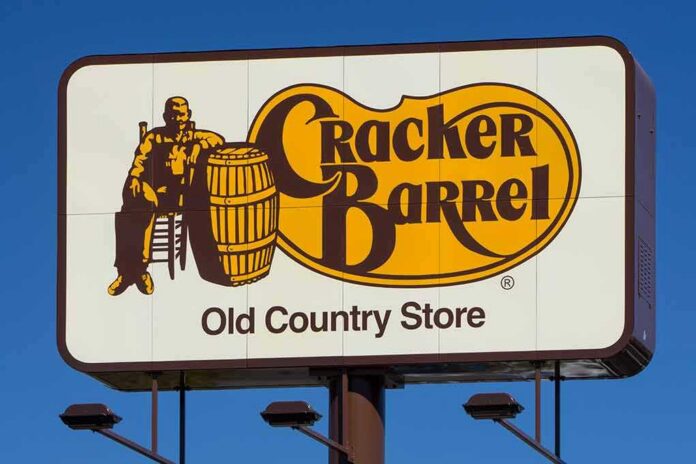
Cracker Barrel tried to refresh its brand last year with a simpler logo and pared-back store decor. The shift aimed to reach younger diners and streamline the look. Longtime guests felt the company cut out its Americana soul instead. Leaders soon restored the old logo and paused the remodel. The chain admitted the plan “missed the mark” as online mockery and customer complaints grew, and store traffic failed to offer a clear win to offset the anger.
Julie Felss Masino said the redesign sought to improve the guest experience, not erase it. She later said she felt “fired by America,” reflecting the sting of public criticism. The company’s swift reversal showed how quickly brand loyalty can flip to resistance when a change touches identity. This was not a small tweak to fonts. It cut into the symbols customers linked with memories, family trips, and a sense of place the chain had built over decades.
The Decision To Step Down
Cracker Barrel announced Monday that Masino will step down as chief executive and as a board member on August 10. She will advise the company for a short period to aid the transition. The move lands about a year after the logo and decor rollout. The timing underscores how the backlash and business results left leadership without clear proof that the redesign could win back trust or grow sales fast enough to calm investors and guests.
David Deno, a veteran restaurant leader with more than four decades in the industry, is set to become chief executive. The company is betting that a seasoned operator can stabilize performance and reconnect with core customers while charting a slower, clearer path to any future updates. Leadership changes like this often signal a strategy reset, tighter cost control, and closer listening to the base that still drives most visits and revenue.
Shareholders, Markets, And The Identity Fight
Shareholders last fall chose to keep Masino but voted out a director aligned with the rebrand, signaling frustration without a full shake-up. That mixed message captured the bind many legacy brands face. Investors want growth and new customers, but not at the cost of alienating the loyal base that shows up week after week. When redesigns do not show traffic or sales gains fast, support fades and pressure builds for leadership change.
Cracker Barrel CEO Julie Felss Masino is stepping down, just one year after the chain’s widely criticized rebrand.
Masino was behind the controversial decision to remove the beloved Uncle Herschel mascot from the logo and clear out many of the iconic nostalgic decorations… pic.twitter.com/cB2TWpQfGU
— Meena loshini (@sherin_93101) July 27, 2026
The Cracker Barrel saga shows how culture fights now shape business risk. Fans on both left and right feel leaders ignore them until anger spikes. Here, customers forced a reversal by defending tradition and value. The lesson is basic but hard: change must earn trust with clear benefits, not just style. Companies that move fast on identity without proof points now face more than bad press. They face a breach of faith that can cost jobs at the top.
Sources:
nypost.com, pjmedia.com, wsj.com, finance.yahoo.com, foxbusiness.com, restaurantdive.com
© patriotspotlight.org 2026. All rights reserved.