
Idaho deputies named a long-unknown 1982 suicide victim and handed Chicago a new Tylenol-murders lead—while federal agents say the link still isn’t proven.
Story Snapshot
- Ada County named the “Unknown Wanderer” as Dr. Mathew Francis Betkouski after 44 years.
- Detectives cited a traced key and family DNA as the path to the ID.
- Officials shared photos and notes suggesting a Chicago interest but no travel proof.
- Federal Bureau of Investigation (FBI) said Tylenol links remain unsubstantiated.
What Idaho Investigators Announced, And Why It Matters
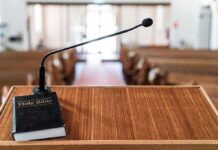
Ada County Sheriff Matt Clifford said the man found dead in a Boise church on December 4, 1982, is Dr. Mathew Francis Betkouski, ending a decades-long mystery around the “Unknown Wanderer.” Detectives said a key on the body led to a hardware store clue, and family DNA confirmed the name. The body had cyanide in the system, a typed note signed “William L,” nearly 30 keys, and about $1,900 in cash, according to reports.
Investigators described personal history they believe is relevant. Reports say Betkouski had mental health struggles, job trouble, and an interest in cyanide and explosives. Former coworkers reportedly recalled him talking about ways to contaminate capsules. Authorities also found a Chicago map and photos that appear to show he visited Chicago at some point. Based on these clues, Ada County shared its findings with Illinois investigators as a potential lead, not a formal accusation.
The Tylenol Connection: Hints, Gaps, And Official Caution
Detective Tim Cooper said the office cannot place Betkouski in Chicago during the last week of September 1982, when seven people died after taking cyanide-laced Tylenol. Officials also stressed they are not naming him as a suspect. The FBI’s Chicago office stated that repeated claims about alleged links over the years remain unsubstantiated. Together, those points mean the Chicago case remains open without a confirmed new suspect.
Chemistry also tempers the theory. Reports say Betkouski had sodium cyanide among his effects, while the Tylenol killings involved potassium cyanide. That difference does not end the inquiry, but it weakens a direct forensic tie between his death in Boise and the Chicago tampering. A former federal prosecutor told the Chicago Tribune that Idaho authorities showed no credible proof he took part in the murders during their briefing.
Why This Story Resonates With A Distrustful Public
High-profile cold cases often swing between big “breakthroughs” and fast pushback. This case fits that mold. Local officers solved an identity mystery with practical shoe-leather work. National headlines quickly floated a larger link. Federal agents then pushed for patience. Many readers on both the right and the left see this as a pattern: agencies talk about transparency but hold back files, while media hype outruns facts. That gap fuels doubts about who is actually serving the public interest.
🔎 IDAHO: Boise investigators are examining a possible link between a mysterious local figure and the long-running Chicago Tylenol murder investigation.#Idaho #Chicago #Investigation #Trending
— Eyeworldnewsdigital (@eyeworldnews444) September 24, 2026
Clarity now depends on records, not rhetoric. The next steps are simple to state and hard to do: prove travel to Chicago in late September 1982, match any surviving Tylenol evidence to materials tied to Betkouski, and document the chain of proof. That means airline, bus, hotel, and credit records, along with any lab comparisons that can survive time. Until then, the Boise ID is a real achievement, but the Tylenol murders remain unsolved.
Sources:
lex18.com, yahoo.com, newscord.org, dailyfly.com, idahonews.com, cbsnews.com, newsbreak.com, wgntv.com
© patriotspotlight.org 2026. All rights reserved.