
New York police released video that shows federal officers confronting a car with a 5-year-old inside moments before shots were fired on a crowded Bronx street.
Story Highlights
- NYPD video shows agents approaching with guns drawn as the driver pulls away; the shooting itself is not shown.
- Homeland Security and immigration leaders say the driver rammed two government cars and moved toward agents.
- Body-camera footage shows the injured driver, armed officers, and emergency transport after the incident.
- Local officials demand full footage and question firing near families and a child in the back seat.
What The Released Videos Actually Show
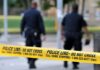
New York City police posted surveillance clips from October 9 that capture the start of the encounter. The footage shows armed federal officers moving toward a Honda CR-V as it reverses and then pulls forward out of view. The camera angle then loses the car. The clips do not include audio. The videos do not show the moment agents fired. Reporters who reviewed the clips said it was unclear from these angles whether and how any vehicle impacts occurred.
Separate police body-camera video documents the aftermath only. The images show the driver on the pavement with agents nearby, one holding a rifle. Officers place the man into a vehicle and drive him to a hospital. That sequence confirms a serious use-of-force event occurred, but it does not answer why shots were fired or where the agents stood when firing. The child in the back seat was not physically injured, according to reporting.
What Federal Officials Say Happened
Senior leaders at the Department of Homeland Security and Immigration and Customs Enforcement described an immediate threat. They said the driver refused commands, hit two government vehicles, and accelerated in a way that put agents in danger. They argue the car became a weapon in those seconds. Their account is detailed and consistent across statements. However, the publicly released city videos do not independently show the alleged ramming or the shooting itself.
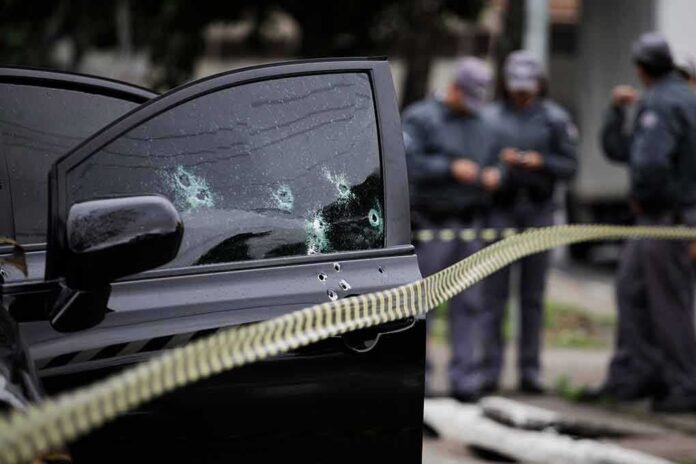
New York City’s police commissioner said the Honda had bullet strikes on the windshield and a shattered rear window. Reporting also described damage to a federal vehicle’s front panel. Those details match a chaotic scene with gunfire and at least one collision. They do not, by themselves, settle whether the driver aimed the car at agents or tried to flee. Key facts like the exact number of shots and each shooter’s position remain unclear in the public record.
Criticism From Local Leaders And Safety Concerns
New York officials and advocates condemned the operation’s tactics and timing. They said agents fired several rounds into a car that held a 5-year-old and that the street had families present after school. They questioned whether the agents were clearly identified and whether firing near bystanders made the city less safe. They urged an independent probe and the release of all videos from before, during, and after the shooting, including federal body cameras.
Newly released NYPD bodycam video shows the tense aftermath of an ICE shooting in New York City that left a man with a neck wound and sparked an investigation.https://t.co/wz8W39USM5
— Fox Reno (@fox11reno) October 10, 2026
This debate tracks a long-running issue in use-of-force cases. Federal policy does not allow shooting simply to stop a moving car. It allows deadly force only if the car poses an imminent threat of death or grave injury and no reasonable alternative exists. That standard turns on exact timing, agent positions, and whether moving aside was possible. Without full audio and synchronized angles, the public cannot yet judge that legal threshold with confidence.
Why This Matters Beyond One Block In The Bronx
Americans across the spectrum worry that powerful agencies control the story while holding back key evidence. Selected clips shape first impressions. Official summaries often dominate early coverage. That dynamic feeds a sense that the system protects itself. A fuller record could clear officers or reveal errors. Either way, sunlight helps restore trust. The fastest path forward is complete footage, radio traffic, and vehicle inspections released to the public on a firm timeline.
People also see a larger pattern. Immigration enforcement sits inside a bitter political fight. Supporters view tough actions as basic safety. Critics see harm to families and neighborhoods. When evidence arrives in pieces, each side fills gaps with its own beliefs. That is how mistrust grows. Transparent release of federal and city records—plus an outside review—would reduce spin, answer core questions, and respect both public safety and civil rights.
What To Watch Next
Watch for federal body-camera video from the agents who fired, including clear audio of commands. Look for a crash review of the Honda and the two government cars, showing speed, direction, and impact points. Seek synchronized timelines that match radio calls, camera clocks, and medical logs. Those steps can show whether deadly force met policy and law. Until then, the facts we have are real but partial, and the hardest questions remain open.
Sources:
redstate.com, edition.cnn.com, wftv.com, yahoo.com, justice.gov
© patriotspotlight.org 2026. All rights reserved.