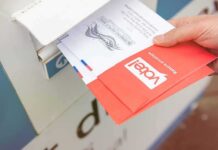

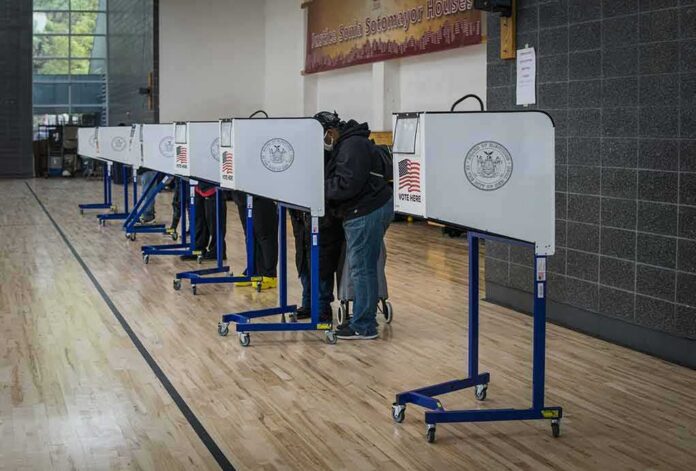
The Justice Department asked a federal court to stop California from counting mail ballots tied to more than 20,000 people it says are likely noncitizens, escalating a last-minute clash over how the state runs elections.
Story Snapshot
- Justice Department filed a lawsuit to block counting certain California mail ballots until citizenship is verified.
- Federal officials sent a list of more than 20,000 names and demanded ballot segregation before tabulation.
- California leaders say the government has not provided proof and blasted a 48-hour deadline.
- The case tests how far Washington can push states on voter rolls right before a federal election.
What DOJ Filed And What It Wants Right Now
The Justice Department filed suit against California and asked a judge to block the state from counting vote-by-mail ballots linked to more than 20,000 people flagged as likely noncitizens. The filing says federal law bans noncitizen voting in federal races and seeks to pause tabulation while status is checked. The department says it worked with the Department of Homeland Security to build the list and is targeting the upcoming federal election, not only list cleanup after the fact.
The complaint names California Secretary of State Shirley Weber and Los Angeles County Registrar-Recorder Dean Logan. The filing says federal officials provided the names and asked that any returned ballots be set aside until the voters’ citizenship could be confirmed. It also says the state did not undertake the review the department requested. The government argues a court order is needed because the election window is short and ballots could be mixed in and counted soon.
How California Responded To The Federal Demand
California officials dispute the move and the rush. Secretary of State Weber said the government had not provided evidence that the listed people are noncitizens and criticized the demand to check roughly 20,000 records within 48 hours. Los Angeles County’s Logan said his office did not open the federal thumb drive that held the list because doing so would break the county’s data-privacy and security rules. State leaders also questioned the Justice Department’s legal authority for the demand.
Reporters noted that federal letters did not disclose the matching method used to identify likely noncitizens. Past reports show some states added noncitizens to rolls by mistake due to software and clerical errors, and it is often unclear how many of those people actually voted. That history adds to worries about false matches, especially for naturalized citizens whose records can lag behind real life changes.
The Legal Stakes And The Practical Risks
Federal law bars noncitizen voting in federal elections, and the department says that rule justifies halting the count for flagged ballots. California points to due process and timing, saying a two-day review before an election risks errors and harms eligible voters. Courts have struggled with this balance. Judges often weigh the need for clean rolls against the risk of flagging citizens based on imperfect database matches, especially when deadlines are tight and ballots are already moving.
Timing makes this fight harder. The government wants ballots tied to flagged names set aside before they are mixed with others. The state warns that mass segregation right before counting can look like interference, even if later checks prove the list right. Both sides say they are protecting the vote: Washington focuses on illegal ballots, and Sacramento focuses on not sidelining legal ones without solid proof. The court will decide whether to pause counting and how a review would work.
Why This Clash Resonates Far Beyond California
Voters across the spectrum see a system that too often serves insiders first. People want elections where every lawful vote counts and unlawful votes do not. They also want simple rules, clear timelines, and proof before action. This case puts those demands in conflict. A secret list on a thumb drive, a 48-hour clock, and no shared method fuel distrust. A refusal to open the file on security grounds does the same. Neither posture builds public confidence.
🚨 California Election Officials PANIC Over New DOJ Warning
A massive legal battle has erupted between the Department of Justice and California officials over tens of thousands of contested ballots ahead of the midterms. As federal agencies issue warnings of potential criminal… pic.twitter.com/7WFpOU68QR
— Morse Report (@MorseReport) October 18, 2026
Here is what matters next. First, how the judge handles speed and accuracy will set a template for other states. Second, whether the parties agree on a neutral, auditable review will determine if the public gets answers, not just headlines. Third, any confirmed cases of noncitizen registration or voting, and any confirmed false matches, should be reported with numbers and documentation. Sunlight, not spin, is the only way to calm fears from both right and left.
Sources:
pjmedia.com, politico.com, usnews.com, usatoday.com, npr.org, latimes.com, nbcnews.com, cnbc.com
© patriotspotlight.org 2026. All rights reserved.