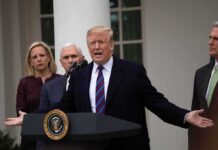

Sean Hannity’s on-air grilling of President Trump’s new press secretary came after a 14–15 minute debut briefing that took only three questions and ended with reporters told to ask Trump instead.
Story Highlights
- The first briefing ran about 14–15 minutes with questions from only three conservative outlets.
- Katie Zacharia read lengthy prepared remarks and made a brief verbal slip recorded by The New York Times.
- Zacharia announced President Trump requested Ambassador Kimberly Guilfoyle’s resignation during the same briefing.
- Hannity later pressed Zacharia on the short format as critics across outlets called the debut unsteady.
What Actually Happened at the First Briefing
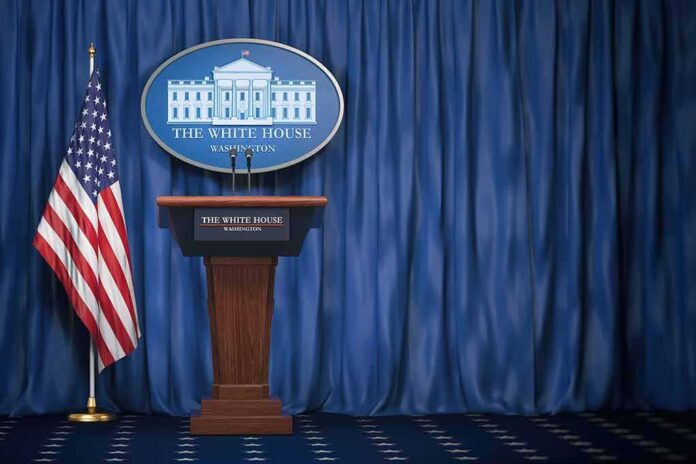
On October 13, at the White House, Press Secretary Katie Zacharia held her first full briefing. Reporters from NBC News and the Associated Press clocked it at roughly 14 to 15 minutes, with questions from only three conservative-aligned outlets. Reporters said Zacharia spent more than half the time reading from prepared notes before taking questions. A New York Times transcript captured a brief slip in which she said “my president — excuse me, my husband,” then corrected herself.
The Associated Press reported that Zacharia ended by directing reporters to take their questions to President Trump, who often speaks with the press before boarding Marine One. That choice capped a briefing many outlets described as halting and unsteady, in part due to limited back-and-forth with the press corps. The narrow pool of questioners and the early exit meant fewer follow-ups and fewer chances to test answers in real time, which raised concerns about access and transparency.
The Pushback and the Defense
Hours later, Sean Hannity asked Zacharia on air, “What happened?” after days of mixed reactions, including some from conservative media. Mediaite also reported an unnamed White House official saying she “got off on the wrong foot” and must improve quickly, though the source was not named, which limits independent verification. President Trump publicly defended Zacharia, saying she did “very good,” and the White House communications director called it a “tremendous start”.
Zacharia offered her own explanation two days later. She said she kept the briefing short on purpose because President Trump would take questions later that morning and she wanted to defer to his time. She added she had less than two hours with final briefing materials and had never run a full briefing before stepping to the podium. Those points explain the format but do not resolve the access concerns raised by the short length and limited questioning.
The Substance That Cut Through the Noise
Despite format criticism, the debut did include real news. The Associated Press reported Zacharia announced that President Trump requested Ambassador Kimberly Guilfoyle’s resignation during the briefing. That was a concrete update, and allies later framed it as the key “deliverable.” Supporters, including former Press Secretary Kayleigh McEnany, called the move a “mic drop moment,” arguing that leading with hard news justified a tighter session. Critics countered that a significant announcement should invite more questions, not fewer.
🚨 TRUMP PRESS SECRETARY ADMITS SHE NEVER PASSED BAR EXAM — DEFENDS CALLING HERSELF A LAWYER ON TELEVISION
White House Press Secretary Katie Zacharia acknowledged Thursday on Sean Hannity’s Fox News program that she failed California’s bar exam and never attempted it again,…
— MDBayNews (@MDBayNews) October 16, 2026
For many Americans, the fight is bigger than one briefer. People on the right and left worry that leaders stage-manage access while real problems—rising costs, weak services, and distrust in institutions—go unanswered. Short, controlled briefings can look efficient to supporters who want message discipline. They can also look like gatekeeping to skeptics who want press scrutiny. This clash is not new, but it fuels the shared belief that the system serves insiders first, not citizens.
What to Watch Next
Watch whether future briefings get longer, take more diverse questions, and include follow-ups. Look for an official transcript and full video that show speaking time and answer length. Compare this debut with first briefings from past press secretaries on duration and access. Finally, track if the press office explains who set the three-outlet format and early end. These steps can clarify whether this was a rough start, a strategic choice, or a new norm for the briefing room.
Sources:
mediaite.com, npr.org, nbcnews.com, newsweek.com, nytimes.com, apnews.com, bbc.com
© patriotspotlight.org 2026. All rights reserved.