
Philadelphia’s district attorney says police misconduct derailed a past murder case against the man now charged with ambushing officers, one fatally, in West Philadelphia.
Story Snapshot
- Prosecutors charged Eric Lewis with killing Officer Shane Seiber and trying to kill 10 other officers.
- District Attorney Larry Krasner says a judge acquitted Lewis in a 2019 murder because of police misconduct.
- The earlier judge ordered Internal Affairs to review “egregious” conduct, according to Krasner’s office.
- National data show ambush-style attacks are a rising share of deadly officer shootings.
Charges After Deadly West Philadelphia Attack
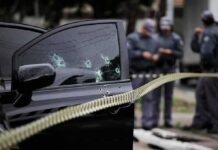
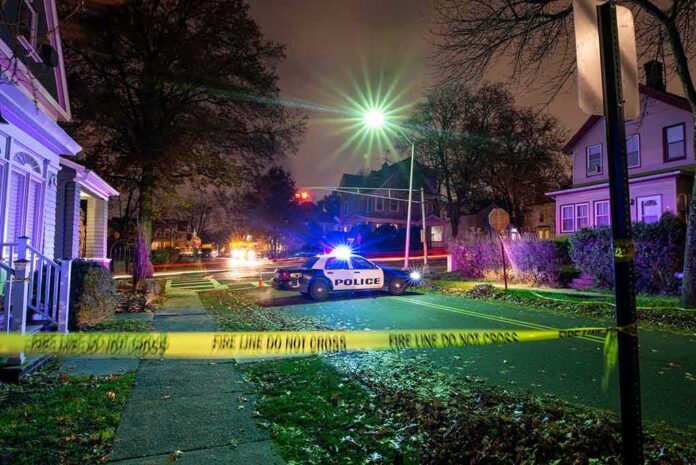
Philadelphia prosecutors charged Eric Lewis with homicide in the death of Officer Shane Seiber and attempted homicide for the officer who survived 12 gunshots. The charging list includes disarming an officer, aggravated assault, and nine more attempted homicide counts tied to other officers under fire. Officials say the October 10, 2026, response to a gun call turned into sustained gunfire on a West Philadelphia porch, with shots continuing as more units arrived, before Lewis fled and was captured.
Reporters described a chaotic scene and urgent hospital runs as the department confirmed one officer dead and another in critical care. The District Attorney’s Office presented a timeline that included an initial encounter, an exchange of heavy fire, and a manhunt that ended with Lewis in custody. These are allegations at the charging stage. The court process will test the evidence, which authorities have not fully released in public filings yet.
DA Links Current Case To Prior Acquittal
District Attorney Larry Krasner said a 2019 murder case against Lewis collapsed because of serious police errors and misconduct, leading a judge to acquit Lewis at trial. Coverage of the court record says the judge flagged conflicts between a witness and homicide detectives and questioned parts of the investigation. Krasner’s office also cited specific claims, including an officer’s alleged romantic tie to Lewis’s sister and a fabricated tip naming a fake suspect called “Spice”.
After the acquittal, the judge ordered the Philadelphia Police Department’s Internal Affairs Division to review what Krasner called “egregious and troubling conduct”. Reports also note a separate 2021 assault-and-gun case tied to a witness’s death, but details across outlets can blur the dockets and timelines. That inconsistency matters because it shapes how people assign blame for why Lewis was free before the 2026 shooting, even as the exact legal path remains complex.
Officer Safety And Misconduct: The National Backdrop
Federal data show ambush-style attacks remain a major danger for police. The Department of Justice’s 2025 year-end report counted 67 ambush incidents where 90 officers were shot and 22 died. A federal report on ambushes found the number of such attacks held steady after the 1990s drop but make up a growing share of fatal officer killings. These trends help explain why Philadelphia officials treated the Seiber shooting as an ambush from the start.
Eric Lewis, the man charged with killing Philadelphia Officer Shane Seiber and wounding his partner in an ambush attack on Saturday, told investigators he opened fire because…..
the officers were white. pic.twitter.com/i9mkJM0CFl— PlainSpokenRedneck (@BullseyeBanjo) October 14, 2026
Wrongful-conviction research also shows official misconduct plays a role in many exonerations, including in Philadelphia’s past cases. That history gives weight to a judge ordering an Internal Affairs review when trial conduct seems off. Together, these patterns create a painful bind: officers face real ambush risks, while flawed investigations can poison cases. Both can feed public belief that institutions are failing to protect people and to deliver real justice.
What This Means For Trust And Accountability
City leaders now must prove two things at once. They must show a strong, fair case against Lewis, with clear ballistics, witness accounts, and body-camera files presented in court. They also must confront the earlier judge’s concerns and explain what Internal Affairs found and fixed. Families of officers want safety and swift justice. Neighborhoods want honest policing and solid cases. Both sides want a system that punishes the guilty and stops errors before they cost lives.
Sources:
nypost.com, inquirer.com, cbsnews.com, nbcphiladelphia.com, nytimes.com, whyy.org, abcnews.com, phillyvoice.com, apnews.com
© patriotspotlight.org 2026. All rights reserved.