Homeland Security Secretary Markwayne Mullin says Democrats are using immigration and policing fights to drive a shift toward socialism, while Minnesota leaders fire back that they follow the law and are not a “sanctuary state.”
Story Highlights
- Mullin links Democratic resistance to immigration enforcement with an ideological push toward socialism.
- A White House statement spotlights Minnesota Democrats’ past boasts about sanctuary-style policies.
- Governor Tim Walz and Representative Betty McCollum say Minnesota is not a sanctuary state and cooperates with federal authorities.
- Research reviews find sanctuary policies do not raise crime rates and may shift deportations away from nonviolent cases.
What Mullin Claimed And Why It Resonates
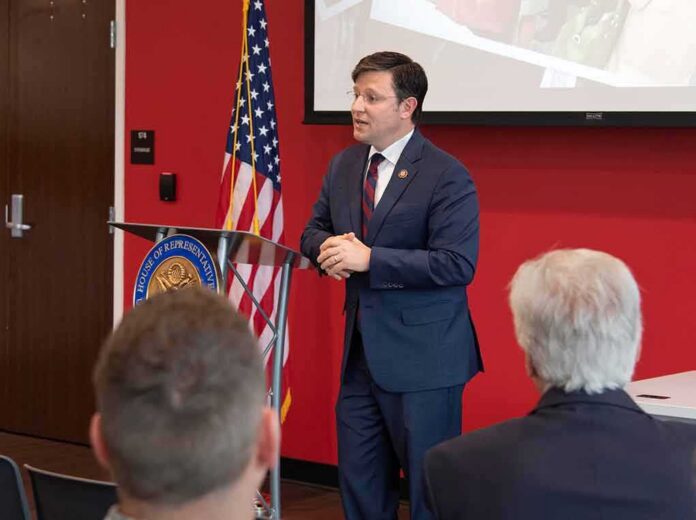
Homeland Security Secretary Markwayne Mullin argued that some Democrats “want open borders” and are “openly embracing socialism,” tying immigration noncooperation to broader ideological change. He framed “chaos” as a tool used to move a republic toward socialism, placing immigration and policing at the center of that fight. The message lands with many who believe elites in both parties ignore working families, allow disorder, and protect their own power. The claim is political speech, but it is now a central talking point for the administration.
The White House elevated Mullin’s theme by highlighting statements from Minnesota Democrats about resisting Immigration and Customs Enforcement. The statement quoted officials who vowed to protect undocumented immigrants and limit cooperation with federal immigration enforcement. That posture, the White House argued, has public safety costs. The move fits a broader national push by President Trump’s team to blame rising disorder on big-city policies and to argue that federal law must be enforced the same way in every state.
How Minnesota Leaders Push Back
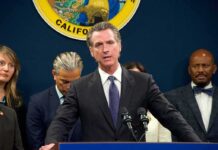
Governor Tim Walz countered that Minnesota is “not even a sanctuary state,” saying the legislature passed no such law and that the state works with federal agencies. Walz said prisons check immigration status and share information with the Department of Homeland Security when people are undocumented. Representative Betty McCollum added that Minnesota does not block officials from responding to federal requests or sharing data with Immigration and Customs Enforcement, and she stressed partnership and accountable policing as core state values.
These statements underline a split between rhetoric and statute. City leaders may use “safe haven” language, but the state’s top officials say no statewide sanctuary policy exists. They argue cooperation happens within clear lines of authority, and that local policing aims to keep trust with residents. That defense matters to moderates who worry about crime but also want police to focus on local safety, not federal tasks that may chill crime reporting in immigrant communities.
What The Evidence Says About Crime And Enforcement
Independent research has not found that sanctuary policies lead to more crime. Several studies show either no effect or small reductions in crime after such policies take hold. One peer-reviewed analysis found sanctuary rules reduced deportations of people with no criminal record, while not affecting removals of people with violent convictions. These findings challenge claims that noncooperation broadly endangers the public, though they do not answer every concern about case-by-case failures.
🚨 JUST NOW: DHS Secretary Markwayne Mullin is making a major claim about the Democrats’ immigration agenda—arguing that changing the country’s demographics is part of a broader effort to reshape America politically.
His words:
“They were wanting to change the demographics of… pic.twitter.com/50mUXgPmG5
— NanceMace (@Nancymace55) October 7, 2026
This leaves a key question for voters: is the core problem lawlessness, or is it selective enforcement that misses real threats while sweeping up low-risk residents? Supporters of tougher measures say uniform rules restore order and fairness. Critics say blanket cooperation harms trust and wastes resources on nonviolent people. Both sides agree the system feels unresponsive and politicized. That shared frustration fuels charges that entrenched institutions protect themselves first and the public second.
Sources:
youtube.com, mullin.senate.gov, yahoo.com, breitbart.com, huffpost.com, news.meaww.com, iheart.com
© patriotspotlight.org 2026. All rights reserved.