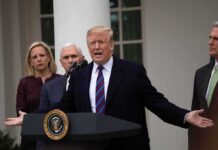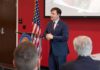

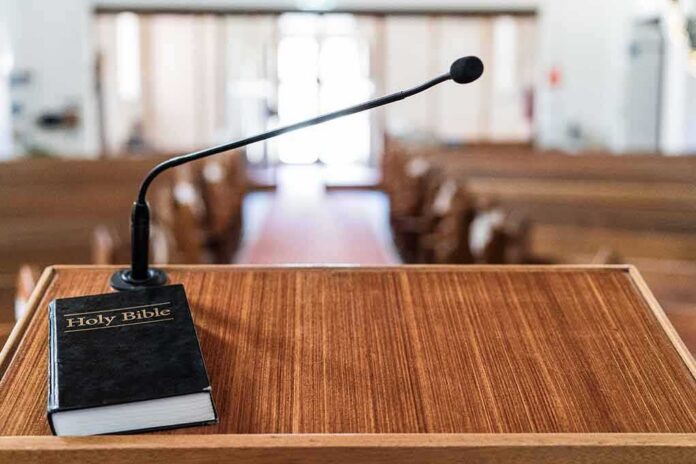
A Texas Senate town hall turned into a scripture test when a voter challenged James Talarico’s claim that the Bible does not explicitly address abortion.
Story Snapshot
- Talarico said the Bible does not explicitly mention abortion, prompting a sharp pushback from a voter citing the Ten Commandments.
- The clash reflects a larger fight over interpretation: explicit wording versus moral principles drawn from other passages.
- Religious commentators pointed to Psalm 139, Jeremiah 1, Luke 1, and Exodus 21 to argue Scripture protects unborn life.
- Early Christian writings like the Didache explicitly condemned abortion, shaping the tradition beyond the biblical text.
What Sparked the Clash at the Town Hall
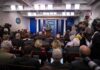
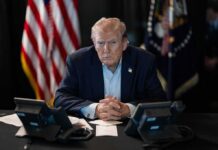
On October 14, 2026, at a CNN and Jubilee town hall, Texas Democrat James Talarico told a Christian voter that the Bible does not explicitly address abortion. He said believers must weigh different scriptures and reach conclusions in good faith. The voter pushed back, citing the commandment against killing as proof the Bible is not silent. CNN’s account captured both Talarico’s “explicitly” qualifier and the voter’s rebuttal, showing how one word can reset the debate.
The exchange echoed across social media and commentary shows within hours. Some outlets framed the voter as “fact-checking” Talarico. Others noted Talarico’s narrower claim focused on the lack of a verse that names abortion. The format allowed little room to sort through Hebrew or Greek terms or to compare translations of key passages. That time squeeze invited slogans over study, which often fuels public anger more than shared understanding.
The Core Dispute: Text Versus Inference
Talarico’s point matched a narrow textual claim: no verse in the biblical canon directly names the act of abortion. His critics argued the Bible still addresses the issue by principle. They cited God’s knowledge of life in the womb and laws that weigh harm to pregnant women and their children. Those arguments turn on moral inference from broader commands and narratives, not a single named prohibition in the text itself.
Pastors and Christian writers pointed to Psalm 139 and Jeremiah 1 to say unborn life is known and valued by God. They invoked Luke 1 to highlight John the Baptist’s response in the womb. They also cited Exodus 21, which sets penalties when a pregnant woman is injured, to claim the law treats harm to the unborn as a serious wrong. These citations form a common case for fetal protection without a verse naming abortion.
Early Christian Tradition Raises the Stakes
Outside the biblical canon, early Christian writings speak directly. The Didache, a first or second century text, says not to murder a child by abortion. That line is often used to argue that Christian teaching has long opposed abortion, even if Scripture itself does not name the practice. Critics used this to shift the debate from “what the Bible says” to “what the church taught,” which lands harder in public argument.
During CNN Town Hall James Talarico Says the Bible is Silent on Abortion, Gets Schooled by Catholic Woman From the Audience (VIDEO) https://t.co/jwNiOqqJAS #gatewaypundit via @gatewaypundit
— Paul Ransom (@RANPAU4247) October 15, 2026
Why this matters goes beyond theology. Voters on the right and left see leaders speak in sound bites while hard questions go unanswered. Many think elites in politics and media favor quick wins over real clarity. This episode shows how a single word—“explicitly”—can be cut from clips and used to inflame division. Citizens deserve better: plain language about what texts do and do not say, and honest debate about the policies that follow.
What to Watch Next
Campaigns may release longer clips or transcripts to show full context. Faith leaders may publish side-by-side studies of key passages like Exodus 21, with competing translations and historical notes. Expect more videos arguing that biblical principles, not just named prohibitions, guide policy. Also expect pushback that law in a plural nation should not rest on disputed readings. The gap between slogans and substance will shape how swing voters judge credibility.
Sources:
cnn.com, dallasnews.com, foxnews.com
© patriotspotlight.org 2026. All rights reserved.