
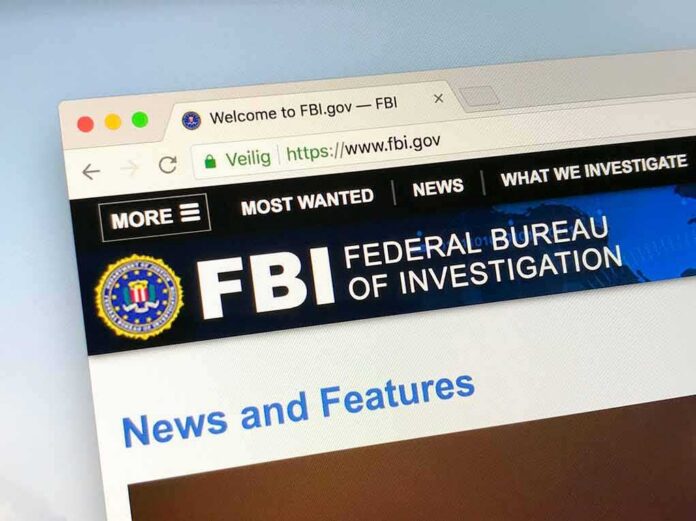
A federal affidavit called a working reporter a possible Espionage Act “co-conspirator,” and top Justice Department leaders approved the search for his emails.
Story Snapshot
- An FBI affidavit said there was probable cause a reporter violated the Espionage Act as an aider or co-conspirator.
- The Justice Department confirmed Attorney General Eric Holder approved the warrant for James Rosen’s emails.
- Press accounts said investigators also obtained multiple phone records tied to Rosen and his parents.
- Holder later called the episode his “one regret,” while defending leak probes as necessary for national security.
What The Affidavit Claimed And Why It Matters
House Judiciary Committee materials quote a sworn Federal Bureau of Investigation affidavit that treated journalist James Rosen as a possible criminal actor. The filing said there was probable cause he violated the Espionage Act as an aider, abettor, or co-conspirator in a leak case tied to analyst Stephen Jin-Woo Kim. That language went far beyond routine source-hunting. It put newsgathering steps—asking, soliciting, and encouraging a source—near the line of a crime, which alarms reporters and readers alike.
NBC News reported that the Justice Department confirmed Attorney General Eric Holder approved the warrant process for Rosen’s emails. Press freedom groups and many citizens saw that as a signal from the top: normal reporting could be treated as part of a leak crime. The affidavit persuaded a magistrate judge that probable cause existed, but Rosen was never charged. That gap underscores the tension: investigators reached into a reporter’s records, yet did not claim a prosecutable case.
How Investigators Reached Into A Reporter’s Life
Contemporaneous reports said investigators obtained phone records for many lines linked to Rosen and even to his parents, expanding the net far beyond one device. Other coverage said they reviewed Rosen’s personal emails and checked State Department badge swipes to trace movements, adding to the sense of a broad probe. These steps may fit leak cases, but when aimed at a journalist they chill normal reporting. Fox News leaders said they were outraged that a reporter was labeled a co-conspirator for doing his job.
The Justice Department defended its approach as careful and lawful. Officials said they followed applicable rules, sought a targeted warrant under the Privacy Protection Act, and won approval from a federal magistrate judge. They argued that leaks can harm national security and must be pursued with proper tools. That stance reflects a long clash in leak cases: the same tools used to find government leakers can sweep up journalists and their sources, raising real First Amendment concerns.
What Leaders Later Said And What We Still Do Not Know
Eric Holder later said labeling Rosen a co-conspirator was his “one regret,” while still calling the leak probe proper and saying the Department would not prosecute a reporter for doing his job. That mixed message echoed public unease. People on the right saw political targeting by powerful insiders. People on the left saw state power pressing too hard on the press. Both sides saw a system that shields itself first and answers questions later.
Key parts of the record remain sealed or partial. The public does not have the full affidavit packet, the minimization rules, or the full scope of what was collected. That limits outside review of how far the government went and whether less intrusive steps failed first. What is clear is simple and sobering: the government treated routine reporting behavior as evidence of crime, reached into a journalist’s private records, and then backed away from charges. That pattern feeds today’s shared distrust of federal power.
Sources:
youtube.com, rcfp.org, nbcnews.com, foxnews.com, judiciary.house.gov, wired.com
© patriotspotlight.org 2026. All rights reserved.