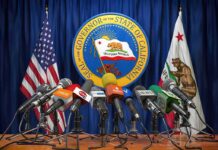

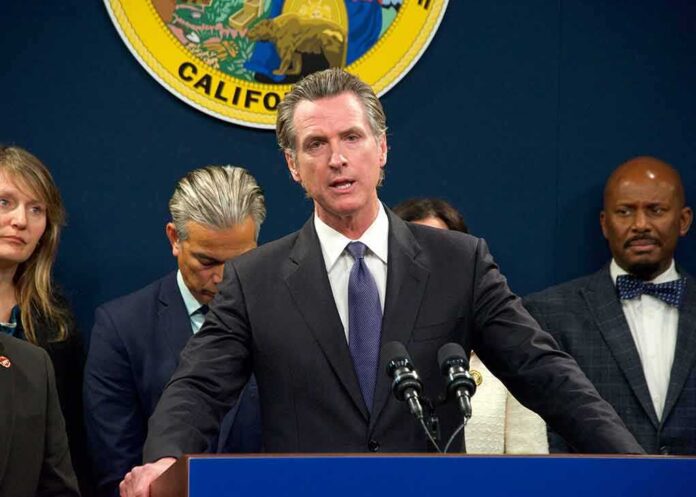
Governor Gavin Newsom signed hundreds of laws that will touch daily life across California as soon as January 1.
Story Snapshot
- Newsom approved wide-ranging bills on elections, immigration, health care, and energy in late 2026.
- Many laws take effect January 1, a standard start date in California’s code system.
- Official releases show specific bill numbers and topics, confirming the scope of signings.
- A separate package modernizes motor vehicle services with mobile driver’s licenses.
What Newsom Signed And When
Governor Gavin Newsom issued a steady stream of bill signings through August and September 2026. Official notices list dozens of measures by number and topic, confirming they are now law. The releases include general signings on August 17, August 22, August 24, and August 27, plus multiple September announcements. One dated September 14 details additional bills, such as a change to Medi-Cal managed care coordination. These postings verify the pace and variety of 2026 laws signed by the Governor.
Targeted packages highlight major policy aims. An elections package increases penalties for attempts to seize ballots or voting systems before results are certified, which the Governor framed as protecting election integrity in the current climate. An immigration package addresses state oversight of detention and enforcement transparency amid tense federal-state relations. A health care set expands reproductive care access and related protections for patients and providers across the state. Each package shows a planned theme and a defined set of bills.
How These Laws Reach Daily Life
California’s process makes the shift from bill to real-world rule clear and predictable. After both houses pass a bill, the Governor can sign, allow it to become law without a signature, or veto it. A signed bill becomes a statute and is given a chapter number by the Secretary of State. Most new laws then take effect on January 1 of the next year, which means late-2026 signings are timed to shape 2027 rules and routines for residents and businesses.
Energy, transportation, and consumer policy are key areas with near-term touchpoints. A late-September package aimed to speed up electric vehicle charging, expand choices for buyers, and bolster energy independence, signaling changes that may affect where people charge and what cars they consider. A separate law modernizes the Department of Motor Vehicles and expands mobile driver’s licenses, which could shift how people prove identity and complete services on their phones. These moves combine tech upgrades with infrastructure goals that state leaders say will improve daily convenience.
Specific Examples From The 2026 Slate
Individual bills show concrete changes. Lawmakers advanced an electric bicycle safety and training program for students, reflecting growing concerns about teen injuries and street safety near schools. An environmental measure involving the California Environmental Quality Act targeted coal handling and export reviews, which local governments and ports will need to track in future planning and permitting steps. A Medi-Cal managed care adjustment aims to better align benefits when enrollees also have other coverage, which could reduce confusion for families.
Elections, immigration, and health care also carry household-level effects. The elections bill creates a felony for seizing ballots or certified voting equipment before certification, setting clearer lines for conduct around vote counting. The immigration package addresses detention conditions, transparency in enforcement, and civil rights safeguards, which can affect local services and legal processes for mixed-status communities. The reproductive care set includes support for nurse-midwives and legally protected health services, expanding options for patients and providers statewide.
Why This Fits A Bigger Pattern
California often releases large signing bundles at the end of session. Residents see “new laws will change your life” headlines because the state summarizes bills by topic and many take effect together on January 1, creating a visible moment of change. The core facts here are not disputed: bills cleared the Legislature, the Governor signed them, and the state posted bill numbers and subjects. The deeper question is impact size and speed, which vary by policy and local rollout.
In 2025 he rejected 123 of 917 bills (about 13%), and CalMatters found cost was the reason he cited most often.
The cases that match the claim are specific and recent.
**Homelessness spending.** In 2024 the state auditor reported California had spent about $24 billion on…
— Reply Guy in Witness Protection 🥸 (@smellyfarts24) October 8, 2026
People across the spectrum worry that distant leaders make rules that miss daily reality. These laws may feel that way if benefits are slow or costs rise. Others will welcome clearer rules on elections, more health options, and easier DMV access. The common thread is execution. State agencies must write rules, local offices must adapt, and residents will judge by results at the ballot box, the clinic, the charger, and the phone app in 2027.
Sources:
nypost.com, gov.ca.gov, ocregister.com, assembly.ca.gov
© patriotspotlight.org 2026. All rights reserved.