

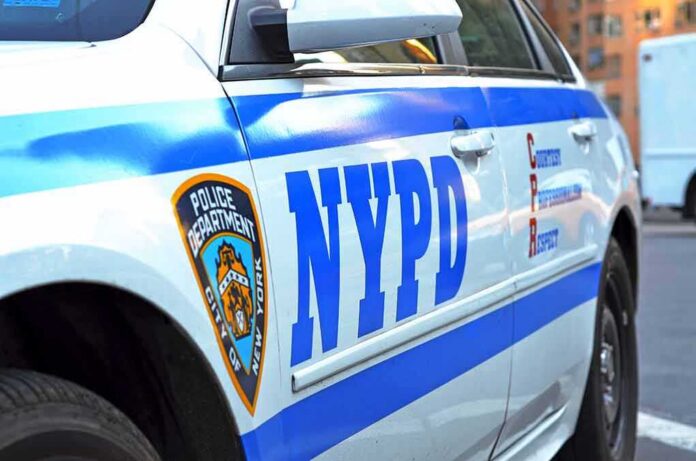
New York City tossed nearly half of last year’s police civil tickets because of paperwork mistakes, wasting time and trust in basic rule-of-law enforcement.
Story Snapshot
- Hearing officers dismissed about 46,000 of 98,000 New York City Police Department civil tickets, mostly for paperwork defects.
- New York City’s hearings office said handwritten tickets raise dismissal risk due to human error.
- New York City Police Department’s top lawyer said the process “needs to fix” technical errors like illegible writing and missing fields.
- Past state and court records show high dismissal rates are a long-running problem, not a one-off.
What the numbers show from the latest year
Gothamist reported that hearing officers at the city’s trials and hearings office dismissed about 46,000 civil tickets out of 98,000 issued by the New York City Police Department in the last fiscal year, a rate of about 47 percent. The report said most dismissals fell into “defective service” and “defective notice of violation.” These problems relate to how the ticket was written, served, and recorded. They do not judge whether the conduct happened. They show process errors that block decisions on the facts.
At a City Council oversight hearing, the New York City Police Department’s deputy commissioner of legal matters said the agency “needs to fix” the civil ticket process. He said the dismissals were “not because they were improperly issued,” but because officers did not fill out the paperwork properly, and some handwriting could not be read. That framing matches what hearing officers reported. The core problem is procedural failure. The result is lost cases and lost confidence.
Why handwritten tickets are getting tossed
The city’s hearings office spokesperson said handwritten summonses “will inevitably create a higher likelihood of dismissal” because people make mistakes when writing and staff can misread them during data entry. Common errors include misspelled names, wrong legal codes, illegible text, and missing details about how the ticket was served. The New York City Police Department’s public patrol guide warns officers that service affidavits must be fully completed and signed or the summons will be dismissed. That rule shows the stakes: one missed box can sink the case.
Agency leaders say they are retraining officers to reduce technical defects and to make handwriting clear and complete. They also argue many dismissed civil tickets could have been written as criminal summonses, which carry stricter rules but also different handling in court. That claim highlights a policy choice. Officers used civil tickets to reduce harm on low-level behavior. But a fragile paper system undercut that lighter-touch approach. Without reliable forms, even fair discretion fails in practice.
This problem fits a broader New York pattern
Older state data show this is not new. The New York State Office of Court Administration reported that from 2009 to 2012, 47.7 percent of New York City Police Department summonses were dismissed for legal or serious defects. In related court records, judges described large volumes thrown out during defect reviews, long before any hearing on the facts. The repeat pattern suggests a system design flaw, not only one tough year. It points to process gaps across training, forms, and digital tools.
City agencies know this risk across ticket systems. Paper steps invite small errors that later cause big losses. That is why many departments moved to digital forms that validate fields, tie legal codes to drop-down lists, and auto-record service details. The New York City Police Department still writes all civil tickets by hand, according to coverage citing oversight officials, which helps explain the high defect rate. Moving to e-ticketing for civil violations would likely cut these errors and speed fair rulings.
What it means for public trust and daily life
New Yorkers want clean parks, safe sidewalks, and fair rules. Residents on the right and left both see a system that cannot handle the basics. Officers spend time writing tickets that never stick. People who follow the rules watch others skate because of a box left blank. People who get tickets feel the system is sloppy and unfair. Everyone loses faith. When government cannot manage simple paperwork, it feeds the view that the system serves itself, not the public.
WHAT DOES NYPD ENFORCEMENT ACTUALLY BUY NEW YORK?
New York City knows how to count police activity. Arrests. Summonses. Pedestrian stops. Deployments. Overtime.
But activity is not the same thing as performance.
From 2021 to 2024, NYPD pedestrian stops increased from 8,947 to… pic.twitter.com/HHy14M9pn1
— Eric Sanders, Esq. (@esq_sanders) September 21, 2026
Fixing this is not partisan. Clear steps can help right now. Shift to digital civil summons with field checks and clear legal code menus. Sync officer training to those tools. Track dismissal reasons weekly and push fixes to the precinct level. Publish progress in plain language. When the state and courts say half of tickets fail on process, leaders owe the public a fix. Accountability starts with forms that work, so facts can decide the outcome.
Sources:
zerohedge.com, tollbit.gothamist.com, worldjournal.com, law360.com, pix11.com
© patriotspotlight.org 2026. All rights reserved.