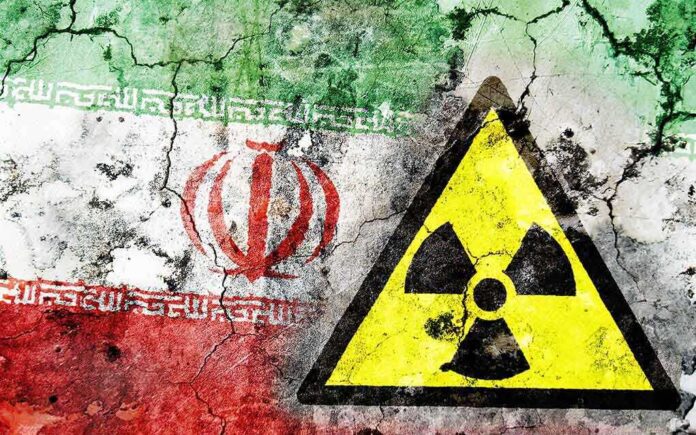
Iran scrambles into last-minute nuclear talks with European powers as Tehran faces imminent UN sanctions snapback that could devastate its already crippled economy and further destabilize the Middle East.
Story Snapshot
- Iran’s foreign minister holds urgent talks with France, Germany, and Britain just days before European deadline to avoid UN sanctions reimposition
- European powers threaten to trigger UN “snapback” sanctions if Iran doesn’t return to full compliance with 2015 nuclear deal
- Trump’s 2018 withdrawal from JCPOA created current crisis, leaving Europe to salvage nuclear agreement without US participation
- Failure of talks could lead to renewed nuclear proliferation risks and complete collapse of international non-proliferation framework
Europe Issues Nuclear Ultimatum to Tehran
Iran’s foreign minister scheduled an emergency conference call with counterparts from France, Germany, and Britain as a European-imposed deadline looms. The E3 powers demand Iran return to full compliance with the 2015 Joint Comprehensive Plan of Action or face reimposed United Nations sanctions. This diplomatic scramble represents a last-ditch effort to prevent the complete collapse of the nuclear agreement that once promised Middle East stability.
Obama-Era Nuclear Deal Unravels After Trump’s Strategic Withdrawal
The current crisis stems directly from Trump’s bold 2018 decision to withdraw the United States from the flawed JCPOA and reimpose sanctions on Iran. The original agreement, signed in 2015 between Iran and the P5+1 powers, imposed strict limits on Tehran’s nuclear activities in exchange for sanctions relief. Iran responded to renewed US sanctions by incrementally breaching the deal’s uranium enrichment limits, creating the compliance crisis Europe now desperately attempts to resolve.
Sanctions Snapback Threatens Regional Stability
The European deadline carries severe consequences for Iran’s already struggling economy and regional security. Reimposed UN sanctions would further isolate Tehran diplomatically and economically, potentially triggering domestic unrest and aggressive regional behavior. Arms control experts warn that the JCPOA’s collapse would eliminate crucial verification mechanisms, increasing the risk of Iran developing nuclear weapons capability while undermining global non-proliferation norms.
Iran has signaled willingness to negotiate but demands complete sanctions relief as a precondition for compliance. This hardline position reflects Tehran’s frustration with European inability to shield Iran from US economic pressure following Trump’s withdrawal. The talks occur without US participation, highlighting how America’s strategic patience approach under Trump fundamentally altered Middle East diplomatic dynamics.
Geopolitical Stakes Rise as Deadline Approaches
The failure of these talks would represent a catastrophic breakdown of international diplomacy and nuclear non-proliferation efforts. Iran’s nuclear program dates back to the 1950s with initial US support under Atoms for Peace, but suspicions grew after the 1979 revolution. Multiple rounds of UN sanctions between 2006-2015 failed to halt Iran’s enrichment activities, leading to the JCPOA as a compromise solution that Trump correctly identified as fundamentally flawed.
The outcome will determine whether Europe can maintain its independent diplomatic approach or must align with American maximum pressure policies. Global energy markets face potential disruption from Iranian oil export restrictions, while regional allies including Israel and Saudi Arabia watch nervously as Iran’s nuclear capabilities potentially advance unchecked by international oversight mechanisms.
Sources:
Timeline of Nuclear Diplomacy With Iran – Arms Control Association
Timeline of U.S. Sanctions – US Institute of Peace
US and Israeli Strikes on Iran: A Timeline – BASIC