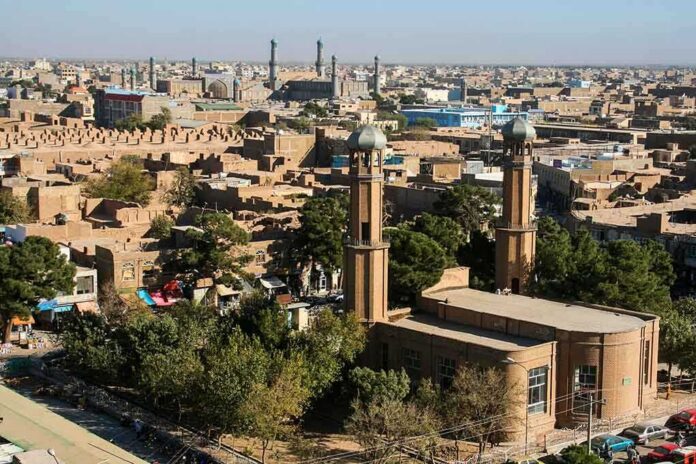
Iran’s war damage now reaches into its oldest landmarks, and the losses are spreading across places meant to outlast politics and war.
Quick Take
- Reporting says strikes by the United States and Israel damaged cultural heritage sites across Iran, including UNESCO-listed places.
- UNESCO said it shared site coordinates with all parties to reduce the risk of harm.
- At least one major site, Chehel Sotoun, was damaged by blast force rather than a direct hit.
- The scale of damage has fueled anger on all sides because the facts point to both military action and a weak public accounting process.
Damage Spreads Across Historic Iran
News reports say the conflict damaged palaces, mosques, museums, and archaeological sites across Iran. UNESCO said Golestan Palace in Tehran was damaged by debris and a shock wave after an airstrike in the nearby buffer zone, and other reports said several World Heritage sites were affected as well. Iranian officials later said the damage reached more than 100 cultural locations, though the exact total varied across reports.
The pattern is simple and troubling. Modern war rarely stays inside military lines, and heritage sites often sit close to the blast zone. UNESCO said it gave all parties the geographic coordinates of World Heritage sites and other nationally important sites to help prevent harm. That did not stop damage from being reported, which is why the story has drawn attention far beyond Iran’s borders.
What Officials Say Happened
United States Central Command said its strikes hit military assets, not cultural sites, and NBC News reported that the stated targets included drone storage and air defenses along Iran’s coastline near the Strait of Hormuz. The Israeli Defense Forces said it was unfamiliar with claims about damage to UNESCO sites, which left the public record without a direct Israeli acknowledgment of those specific claims.
That gap matters because damage alone does not settle intent. Some reports point to nearby blasts and shock waves, not direct strikes, as the cause of harm to particular buildings. The Art Newspaper reported that at Chehel Sotoun, “the force of a nearby blast” dislodged parts of the ayaneh-kari surface, which supports a collateral damage explanation for that site.
The Heritage Cost of Modern Warfare
Iran’s heritage losses fit a wider pattern seen in other wars, where explosive weapons in populated places endanger museums, churches, mosques, and ancient buildings. Cultural experts and reporting on earlier conflicts have warned that damage can be either collateral or deliberate, but the result is the same for the people who lose irreplaceable history. That is why heritage groups often treat wartime damage as both a cultural and political warning sign.
Explanation
— Lebanon’s culture minister said last week that nearly four months of Israeli operations had damaged or destroyed heritage sites across the south. The most prominent site affected is Tyre, a nearly 5,000-year-old port city and UNESCO World Heritage Site in southern…
— Ganesh Naik (@GaneshNaik88404) July 6, 2026
The missing piece is public proof. The reporting package does not show released target maps, blast calculations, or detailed strike assessments that place military assets beside each damaged heritage site. That leaves a factual opening for competing claims, even while the basic reality remains clear: Iran’s cultural past has been hit during a war that many citizens, experts, and outside observers now see as one more example of powerful institutions failing to protect what cannot be replaced.
Sources:
youtube.com, apnews.com, en.wikipedia.org, theartnewspaper.com, swissinfo.ch, lordslibrary.parliament.uk
© patriotspotlight.org 2026. All rights reserved.