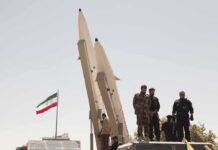
Iran’s supreme leader urged Muslim and Gulf countries to unite against the United States and Israel in a written message posted to his official channels, sharpening a long-running confrontation that could reshape regional alignments.
Story Snapshot
- Iran’s top leader called the United States and Israel the “real enemy” and urged Muslim unity.
- The message targeted rulers in West Asia and the Gulf and warned that division helps rivals.
- The appeal fits Iran’s long-standing rhetoric that frames Washington and Israel as adversaries.
- The signal comes as energy, security, and inflation pressures strain regional governments.
What Khamenei Said And Where It Appeared
On August 30, Iran’s Supreme Leader Mojtaba Khamenei issued a written message calling on Muslim countries, especially Gulf states, to unite against their “real enemy.” Reuters reported the statement appeared on the leader’s official Telegram account for Islamic Unity Week. The message warned that Muslim divisions serve the interests of adversaries and urged rulers to “identify” the enemy and “confront” its plans. Regional outlets echoed the framing and linked it to the Prophet’s birthday commemorations.
The message named the United States and Israel as targets of this call for unity. Reports described the countries as “enemies” of Muslim solidarity and suggested that unity would blunt outside plots. Coverage from multiple outlets in the region presented the text as a direct appeal to Gulf leaders. The timing matched a period of high tension and followed earlier statements that stressed unity as a religious and political duty for Iran’s public and officials.
How This Fits Iran’s Established Playbook
Analysts and past reporting show a pattern in Iran’s leadership rhetoric. The supreme leader’s office often pairs calls for Muslim unity with claims that the United States and Israel drive regional discord. This framing supports Tehran’s goal to lead the broader Muslim community and to isolate Israel. Al Jazeera’s coverage placed the latest message in that context and tied it to persistent security frictions around shipping lanes and the Gulf region’s stability.
Policy research has long noted this script. Studies from American think tanks describe how, since 1979, Iran has cast Washington and Israel as core threats to Islam while urging solidarity across Muslim states. The approach serves both ideology and strategy: it rallies support at home, pressures neighbors, and signals resolve abroad. The latest message tracks with that record and does not break from the themes used by Tehran for decades.
Regional Stakes: Energy, Security, And Domestic Strain
Gulf governments face tight energy markets, security risks in key sea lanes, and budget stress from inflation and subsidy costs. A sharper Iran-led bloc could complicate oil flows and shipping insurance, raising prices worldwide. It could also test fragile ties between Gulf monarchies and Washington, especially if states weigh quiet engagement with Tehran against security pacts, arms purchases, and intelligence sharing with the United States.
🇮🇷 Iran’s Supreme Leader Mojtaba Khamenei has urged Muslim countries, especially in West Asia and the Gulf, to unite against the U.S. and Israel, calling them enemies of Muslim unity amid renewed regional tensions.#Iran #MiddleEast pic.twitter.com/L2nvExEP1Q
— Red Eye News Network (@RedNewsEye) August 31, 2026
For the United States, the statement is a reminder that messaging battles affect real trade routes and household costs. Higher shipping premiums and crude prices can feed inflation at home. For Iran, the appeal may build leverage with neighbors while distracting from domestic pressure. But it also risks pushback if Gulf leaders see the call as destabilizing. So far, the message stands as unilateral signaling; no allied bloc has publicly formed in response.
What To Watch Next
Watch for official replies from Saudi Arabia, the United Arab Emirates, Qatar, and Oman. Track any shifts in joint naval patrols, tanker escorts, or insurance rates through the Strait of Hormuz. Look for new diplomatic visits or security talks that include Iran or exclude it. Monitor whether Iran links unity appeals to concrete proposals on trade, energy pricing, or de-escalation steps. Each move will show if this is posture, pressure, or the start of a realignment.
Sources:
youtube.com, reuters.com, telesurenglish.net, us.headtopics.com
© patriotspotlight.org 2026. All rights reserved.