
Trump has escalated the Iran crisis by vowing nightly strikes and warning that bridges and power plants could be next if Tehran does not negotiate.
Quick Take
- U.S. Central Command said it finished a third round of strikes on Iran on July 11.
- Centcom said more than 300 targets were hit across three nights.
- Trump has repeatedly threatened Iran’s bridges and power plants in public remarks.
- The standoff centers on the Strait of Hormuz and pressure over shipping access.
Strikes Expand as Pressure Builds on Tehran
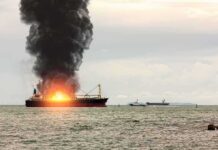
U.S. Central Command said American forces finished another round of strikes on Iran on July 11. The command said the attacks hit about 140 military targets, including missile and drone sites, naval capabilities, and communication networks. It also said more than 300 targets were struck over three nights. The stated goal was to reduce Iran’s ability to threaten civilian mariners and commercial vessels in the Strait of Hormuz.
The latest strikes fit a wider pattern of direct pressure tied to the waterway. Reuters and other outlets reported earlier waves of attacks after shipping incidents in the strait, while Iran and the United States accused each other of breaking a fragile ceasefire. A separate U.S. assessment said the same campaign had not yet changed Iran’s core strategy, even after repeated strikes on maritime assets.
Trump’s Threats Shift Toward Civilian Infrastructure
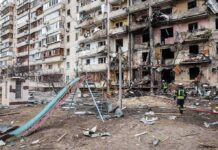
Trump has also moved beyond military targets in his public warnings. Reporting in April showed him threatening to hit Iranian bridges and electric power plants if no deal was reached and if the Strait of Hormuz stayed blocked. Earlier coverage said he tied the threats to a deadline and promised severe damage if Tehran did not comply. Those remarks made civilian infrastructure part of the pressure campaign, not just a side issue.
The new warning about possible strikes next week on bridges and power plants reflects the same hard line, but with more force. It also underscores how the conflict has shifted from isolated retaliation to an effort to shape Iran’s choices through fear of deeper damage. That approach may appeal to readers who want a stronger response to attacks on shipping, but it also raises new risks for civilians and for the wider region.
Why the Strait of Hormuz Matters
The fight is centered on one of the world’s most important shipping lanes. U.S. reporting said Iran’s pressure on traffic in the Strait of Hormuz helped trigger the latest strikes, while Centcom said commercial vessel transits continued despite Iranian closure claims. That matters because the strait carries major energy traffic and any disruption can raise costs far beyond the Gulf. The dispute is not only military; it is economic and global.
The larger pattern also helps explain why the conflict keeps returning. Analysts cited in the research describe a loop in which Iran attacks shipping, the United States responds with air strikes, and neither side fully changes course. That leaves both supporters and critics of the U.S. line with familiar complaints: one side says Washington is not going far enough, while the other sees endless escalation with no clear end state.
What Remains Unclear
Some claims in the information stream still lack firm public proof. The research notes no independent confirmation of a reported assassination plot, and it says the ceasefire terms from June have not been released in full. It also says Iranian claims about strikes on rail bridges were not confirmed by Centcom, which listed military targets instead. Those gaps matter because they shape how both sides justify the next round of force.
For now, the facts are plain. The United States has kept up strikes on Iran, Trump has openly threatened more damage, and the contest over the Strait of Hormuz remains unresolved. The result is a high-stakes standoff that mixes military power, energy security, and political theater. Each new attack makes a deal harder, but each failed deal also gives Washington another reason to keep the pressure on.
Sources:
thegatewaypundit.com, centcom.mil, reuters.com, stripes.com, aljazeera.com, nytimes.com, themedialine.org, en.wikipedia.org, cfr.org, youtube.com, csis.org
© patriotspotlight.org 2026. All rights reserved.