
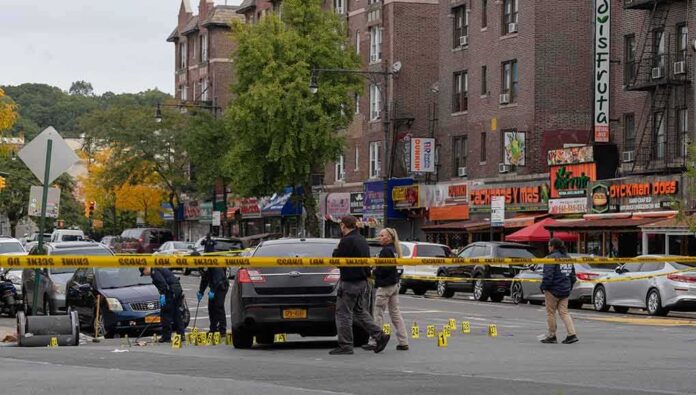
Austin police body-camera video from the scene undercuts key claims made by the man shot by a federal immigration officer, sharpening calls for full footage and answers.
Story Highlights
- Homeland Security said the man was in federal custody pending removal after a traffic-stop operation.
- Austin police said city officers were not part of the operation and confirmed the stop location and timing.
- Officials have not released any federal body-camera video or a full use-of-force narrative.
- Rep. Greg Casar demanded an independent probe and complete, unedited footage.
What Officials Confirmed About the Stop and Shooting
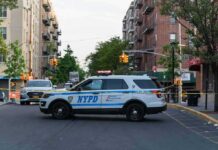
Department of Homeland Security (DHS) officials said a federal immigration agent shot and wounded a Venezuelan man during a law-enforcement operation in North Austin. The agency said the man was stable and in federal custody pending removal, and that Homeland Security Investigations, with help from the Federal Bureau of Investigation (FBI), is leading the review. Austin’s police chief said the shooting followed a traffic stop and noted city officers were not part of the operation or the shooting itself.
Dispatch audio and local reports placed a blue Toyota Corolla near Research Boulevard and the Highway 183 underpass at the time of the stop. That timeline supports that agents were conducting an active stop, not an unrelated encounter. DHS statements also described the man as an immigration violator with a final order of removal, which aligns with the agency’s claim that this was targeted federal enforcement. The man survived and remained in federal custody after treatment, according to multiple reports.
Body-Camera Gap and a Growing Dispute Over What Happened
DHS has not said whether the involved agent wore a body camera or released any federal footage. The agency also has not given a detailed account of why the agent fired, leaving the public record without a clear justification for deadly force. That gap fueled a dispute after the man’s lawyer said video does not show a foot chase before the shot. The lawyer also cited images of a wound behind the man’s neck and urged release of all camera records.
Local leaders pressed for transparency. Representative Greg Casar called for an immediate, independent investigation and the release of complete and unedited camera footage. His formal letter urged evidence preservation and sharing with the Department of Homeland Security’s Office of Inspector General and other authorities. The Travis County District Attorney’s Office said all facts must come to light through an independent probe. Those statements increased pressure on federal officials to show the full record.
What Austin Police Body-Camera Video Can and Cannot Settle
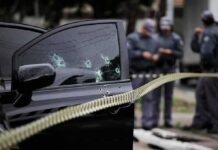
Austin police released body-camera footage from officers who arrived after the shooting. That video shows response and control of the scene, but not the moment the shot was fired. It can confirm location, timing, and statements made on scene. It cannot show the agent’s view, the man’s actions at the key moment, or the threat the agent perceived. Without the federal footage, the most important seconds remain off-camera for the public.
Austin Police Department officials released body camera footage following the aftermath of the ICE shooting that left a Venezuelan man with a bullet wound in his back. APD said its investigation into the shooting is ongoing.
Read more about this story by visiting the link in our pic.twitter.com/Iw3AetA2Yf
— KTSM 9 News (@KTSMtv) September 23, 2026
This case fits a wider pattern. When agencies do not quickly release video, the public debate shifts from the event to transparency and policy. Research on body cameras shows mixed effects on officer behavior and public complaints, so the device is not a cure-all. But timely, complete releases can reduce rumor and rebuild trust. Right now, the lack of federal video and a full narrative lets competing claims harden, which deepens public doubts across the political spectrum.
Why This Matters for Trust, Rights, and Public Safety
Clear rules, fast facts, and full evidence help both safety and civil rights. People on the right want order, fair enforcement, and no special treatment. People on the left want accountability, equal justice, and no excessive force. Both want the truth. Releasing complete federal video, the use-of-force report, and the radio traffic would answer core questions. That includes whether commands were clear, what threat was seen, and whether policy on cameras was followed.
What to Watch Next
Watch for whether Homeland Security Investigations and the FBI share a timeline with specific times, locations, and officer actions. Look for confirmation on body-camera assignment, activation, and storage logs for the involved agent. Track whether the Department of Homeland Security’s Office of Inspector General opens a parallel review. Finally, note if federal footage is released in full or with cuts. Each step will signal how seriously leaders treat transparency and public trust.
Sources:
cbsaustin.com, yahoo.com, nbcnews.com, npr.org, apnews.com, time.com, cbsnews.com, independent.co.uk
© patriotspotlight.org 2026. All rights reserved.