
Emergency records from Spain’s Ceuta show sexual-assault files jumped from 4 to 30 in three months after a migrant surge, exposing how fast strained systems can fail vulnerable people.
Story Snapshot
- Ceuta’s 112 emergency service logged 30 sexual-assault files vs. 4 a year earlier.
- The comparison follows a large, sudden influx beginning late July, after earlier mass crossings in 2021.
- Total emergency files and violent-incident categories rose sharply in the same period.
- Officials say many victims are minors, and some cases may go unreported.
Emergency Records Show Sharp Rise In Reported Sexual Assaults
Spanish media reported that Ceuta’s 112 emergency service recorded 30 sexual-assault files between July 30 and October 29. The same window a year earlier had four files, a jump often framed as 650 percent. Reporters said 16 of the new files involved minors, while none did in the earlier period. These are emergency incident files, not court-verified crimes, but they show a major change in reported harm and demand on local responders.
Emergency activity surged across other categories as well. Reported firearm-related files rose from 8 to 56, knife-related files rose from 23 to 268, and assault files rose from 209 to 1,777 in the same comparison, according to the same summaries. Total emergency files reportedly increased from 2,233 to 11,286. These counts point to a broader spike in calls for help. They also show how a city’s safety net can strain when population and risk change fast.
Officials And Unions Describe Near-Daily Incidents Since The Influx
Ceuta’s chief prosecutor, Silvia Rojas, was quoted saying 23 sexual assaults had been reported after the influx, including nine involving children. She added that some victims did not report attacks because of fear or their situation in Ceuta. Spain’s main police union in Ceuta also cited 15 reported sexual assaults since July 30, most with underage victims, reflecting concern inside front-line services about patterns since the surge. These statements add named voices to the emergency data.
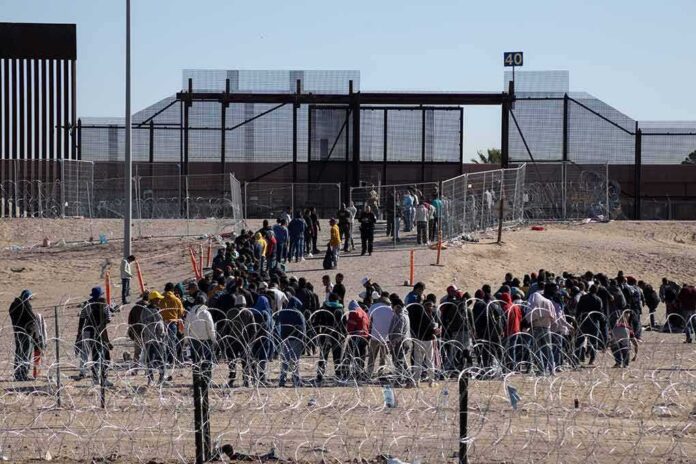
The reported spike followed a period of mass arrivals. Past coverage documented a wave of crossings at Ceuta’s border with Morocco, including a record event in May 2021. Deutsche Welle reported about 5,000 people entered on May 17, 2021, with about 6,000 present by the next morning, including many suspected teenagers. Newer reports link a late July start date to the emergency comparison window used this year. The pattern is the same: sudden inflows stress reception, policing, and shelters.
What The Data Can And Cannot Tell Us About Cause
The emergency files capture reported incidents, not proven crimes. The Ceuta summaries do not name suspects by nationality or legal status, so they do not, by themselves, show who committed each act. The jump is large but rests on small base numbers. The counts also lack rates per resident or per newcomer. Those gaps limit what anyone can claim about cause and blame from these figures alone. Still, the records are a clear public-safety signal.
Global guidance warns that recorded crime data reflect reporting and enforcement, not the full level of victimization. The United Nations Office on Drugs and Crime notes big differences in what agencies record across places and time. The United Nations sustainable development reports show that only a small share of sexual-assault victims report to authorities, on a global median basis, which can make swings look sharp when reporting access changes. Ceuta’s spike fits this caution while still demanding attention.
Why This Matters For Voters On Both Left And Right
Residents in Ceuta needed faster, safer response no matter their politics. Families want to know that children are safe in shelters and on streets. Local police, medics, and prosecutors cannot carry this load alone. When a border rush hits, operations crack first, and real people pay. Many Americans see the same pattern at home: leaders talk past each other while basic systems break. These Ceuta numbers show what happens when plans are thin and accountability is vague.
Practical steps are clear. Authorities should publish the full 112 methodology, link emergency files to police and court outcomes, and release anonymized age and case-status data to guide prevention. Spain and Morocco should coordinate to stabilize crossings and protect minors. Shelters need clear safeguards, lighting, and staffing. Transparent numbers build trust, reduce spin, and help target resources. People do not need slogans. They need working systems that keep them safe and treat everyone with dignity.
Sources:
youtube.com, iamgrok.org, bignewsnetwork.com, thenationalpulse.com, gript.ie, dailymail.com, dw.com, hungarianconservative.com, theferret.scot
© patriotspotlight.org 2026. All rights reserved.