
Senator Ted Cruz says Democrats won because voters “hated Donald Trump,” while Democrats claim voters chose an affordability agenda they now must deliver.
Story Snapshot
- Ted Cruz frames the Democratic sweep as anti-Trump backlash, not a policy mandate.
- Democratic leaders say they ran on affordability and plan health and cost-of-living bills.
- Polling showed inflation and cost of living led voter concerns before Election Day.
- Research shows “negative voting” is a rising force shaping turnout and choices.
Cruz’s Claim: Victory Driven by Anti-Trump Sentiment
Senator Ted Cruz argued that Democrats gained power mainly because voters wanted to punish President Trump’s party. He called the results a “Watergate-level repudiation” and a “blue tsunami,” pointing to anger at Trump as the key driver. Cruz said Democrats lacked a clear governing plan, beyond opposing Trump. His remarks came as Republicans assessed losses across long-held seats and statewide offices, including in Texas, where Cruz stands as the lone GOP statewide survivor.
Before the election, Cruz warned that Democratic voters were “energized” by hostility toward Trump. On his podcast, he said Democrats “hate, hate, hate Donald Trump,” casting the race as a referendum on the president rather than policy. That framing matches a common pattern in modern politics, where negative views of the other side push turnout. Cruz’s critique suggests Republicans missed economic messaging that could have blunted the backlash.
Democrats’ Stated Mandate: Affordability First
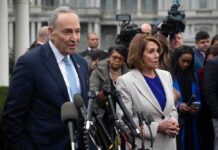
Democratic leaders reject the idea that their win was only about Trump. They say voters backed a pocketbook plan focused on health care, housing, gas, and groceries. Party leaders outlined early bills to restore enhanced Affordable Care Act subsidies and reverse earlier Medicaid cuts. They also previewed measures on drug pricing, medical debt, and expanded Medicare benefits. Their message was simple: “We ran on affordability, we won on affordability, and now we will govern on affordability”.
Outlets tracking the new majority reported a first-100-hours or first-100-days health agenda. Plans included widening Medicare drug-price talks to private insurance and shielding medical debt from credit reports. The effort aimed to cut out-of-pocket costs while expanding coverage options. Analysts warned, however, that complex health laws, industry pushback, and budget math could slow progress and test party unity once details hit committee rooms and the Congressional Budget Office scores arrive.
What Voters Said: Costs Topped the List
Pre-election surveys found voters focused most on inflation and the cost of living. Those concerns outranked corruption, threats to democracy, and immigration. That data fits the Democrats’ message on daily expenses, even as many voters also sought a check on Trump. The polling backdrop helps explain why both stories can be true: people can vote against a leader and for lower costs at the same time in the same ballot choice.
Political science research backs the dual-track view. Studies show “negative voting” has grown, with many citizens motivated more by dislike of the other side than affection for their own. That dynamic can lift turnout and shape choices even when policy stances matter, too. In short, elections can register protest and preference together. That helps explain Cruz’s read of anti-Trump energy, alongside Democrats’ claim of an affordability mandate.
Why This Matters Beyond Partisanship
For many Americans, this fight is about results, not spin. Families feel squeezed by premiums, rent, food, and fuel. They also see a capital city that often serves insiders first. If Democrats pass concrete cost-cutting laws that show up in monthly bills, they will validate their mandate story. If they stall, Cruz’s argument about a hollow agenda will gain ground. Either way, voters expect proof in their wallets, not more speeches and hearings.
🚨🇺🇸 Republicans might lose the House and Senate tonight… and Ted Cruz is warning that the real victims will be DATA CENTERS😅
With exit polls showing 65% of voters saying the economy got worse and gas sitting above $4, Cruz’s message on election night was that Democrats think…
— Mario Nawfal (@MarioNawfal) November 4, 2026
Both right and left share a deeper worry: Washington keeps dodging hard trade-offs. Cutting drug prices can raise taxes or squeeze industry; boosting subsidies can raise deficits or require offsets. Leaders owe straight talk on how they will pay for promises. Citizens deserve to see who benefits and who pays. That is the only way to rebuild trust in a system many now see as serving the few over the many.
Sources:
ca.news.yahoo.com, texarkanagazette.com, axios.com, wusf.org, pwc.com, usatoday.com
© patriotspotlight.org 2026. All rights reserved.