
A sitting Republican election chief says the newest election threats are coming from inside the federal government—and recent court rulings back up key parts of that warning.
Story Highlights
- Utah’s lieutenant governor told 60 Minutes that new election threats now come from federal officials, not hackers.
- President Trump’s 2025 election order was partly and then permanently blocked by federal judges.
- Court rulings said the proof-of-citizenship mandate overstepped presidential power and belongs to Congress and states.
- The White House defends data requests and tighter checks as legal steps to stop noncitizen voting.
What the Utah Lieutenant Governor Reported on Federal Pressure
Utah Lieutenant Governor Deidre Henderson said federal officials demanded her statewide voter-registration list and similar data from other states. She told 60 Minutes that past threats were external, like cybersecurity risks, but now she sees threats from within government itself. She said the requests lacked clear reasons and safeguards, which raised alarms over privacy and use. Her account highlights why many officials, left and right, distrust Washington’s role in elections.
The same broadcast and follow-up reporting described a wider federal push for voter-roll data. That included efforts linked to claims of noncitizen registration and voting. Henderson’s warning does not prove misuse. It does show friction between state administrators and federal agencies over who controls sensitive records. The account did not include the original demand letters or legal cites, which leaves open questions about the scope and legal basis of the requests.
What President Trump’s Order Tried to Change—and Why Courts Stepped In
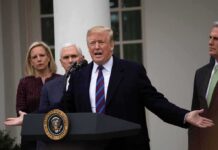
President Trump issued Executive Order 14248 in March 2025. It told the federal Election Assistance Commission to add a documentary proof-of-citizenship rule to the national mail registration form. It also tied federal election funds to compliance and touched ballot receipt rules, according to legal summaries. These steps sought to tighten voter eligibility checks nationwide using federal leverage over state systems.
A federal judge quickly blocked key parts of the order. The court later permanently barred the proof-of-citizenship directive, ruling it violated separation of powers. The judge said the Constitution gives election-rule authority to Congress and the states, not the president acting alone. Other reported provisions, like funding pressure and mail-ballot timing, also drew legal fire. The rulings stopped those changes before nationwide implementation.
How States and the Administration Framed the Fight
Multiple states sued, arguing the order was unlawful and tried to control election administration from Washington. A multistate complaint said the executive branch cannot create new voter-registration proof demands without Congress. It also warned that federal funding threats could coerce states into quick compliance. The lawsuits pressed the basic point that elections are run locally, with limited federal roles set by Congress.
The White House answered that its plan protects election integrity. It said noncitizens keep registering and sometimes voting, and that states need help checking eligibility. It directed agencies to provide database access and to compile citizenship-related lists for states to review. A White House fact sheet later repeated those goals, including using federal data to confirm voter status. Supporters, including Alabama’s secretary of state, backed the order’s aims.
What We Know—and What We Do Not
The record clearly shows a clash between federal directives and state control, followed by firm court limits on presidential power. It also shows federal requests for statewide voter files that alarmed some state officials. What remains unclear is whether any state data was turned over in bulk, how it was processed, and what safeguards were in place. The public reporting does not document misuse or a breach, only the demand and concern it sparked.
The guy who weaponized the government against his political opponents is lecturing us on weaponization of political opponents.
Here’s a list to refresh your memory:
• IRS targeting of conservative groups: IRS used “inappropriate criteria” (e.g., “Tea Party,” “Patriot,” “9/12”)… https://t.co/Sm3TfCcnOU— Over the Target (@overtargets) October 18, 2026
This episode fits a long trend. The federal role has grown in areas like voting rights and funding, while states still run most election tasks. The current dispute is not about whether Washington may act at all. It is about whether a president can impose new rules without Congress. Congress’s nonpartisan research office explains that line, and courts have now enforced it in this case. That is the core constitutional brake at work here.
Sources:
mediaite.com, reuters.com, azag.gov, whitehouse.gov
© patriotspotlight.org 2026. All rights reserved.