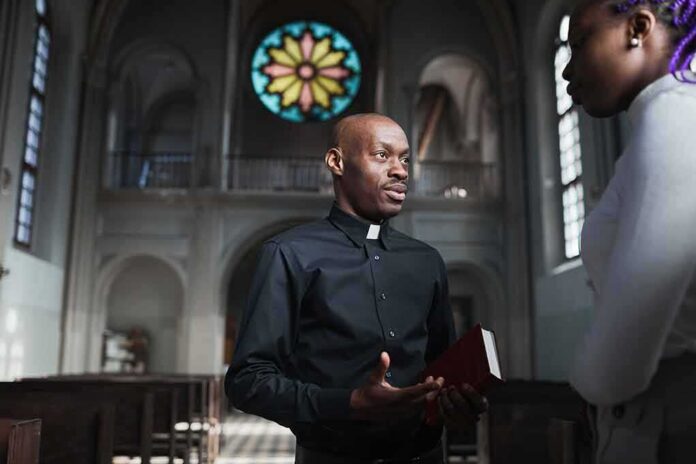
A viral claim that a reverend called Lazarus “gay” spotlights a years-long split between symbolic LGBTQ readings of Scripture and traditional, literal interpretations of the Bible.
Story Snapshot
- LGBTQ-affirming ministries use Lazarus’s “come out” as a metaphor for liberation, not a biography claim.
- Traditional commentaries say John 11:43 records a literal command for Lazarus to exit the tomb.
- The Greek phrase supports “come out/come forth,” without any sexual meaning in the text.
- No primary source shows Lazarus was gay; the link is pastoral symbolism, not ancient history.
What Sparked The Dispute
Recent posts claimed a reverend said Lazarus was gay because Jesus said “come out.” LGBTQ-affirming writers have long used Lazarus as a symbol for leaving fear and shame. New Ways Ministry’s resources say the story can show God’s life for people who feel excluded and bound, linking “come out” to release and dignity. Priest and author James Martin has said many LGBTQ people hear that call as an invitation into the light of God’s love, again as metaphor, not history.
Conservative readers saw the line as proof that modern agendas are “rewriting the Bible.” That reaction tracks with a steady pushback from traditional commentaries. Those materials treat John 11 as a public miracle where Jesus raises a dead man and commands him to leave the tomb. They frame “Lazarus, come forth” as a simple order, not a coded message about identity. This clash shows how culture-war headlines flatten complex faith debates into easy outrage.
What The Text Actually Says
Standard study tools render the Greek as “Lazarus, come out/come forth.” A widely used commentary says the phrase literally means “Lazarus, hither, out,” and notes it contains no verb beyond the command sense. An interlinear text shows the same straightforward imperative. None of these sources tie the wording to sexual orientation. That leaves identity claims outside the text itself and places the LGBTQ reading in the realm of sermon imagery and pastoral counseling, not ancient biography.
Even queer-affirming commentary draws this line. One writer states the modern “coming out” sense is not what Jesus’s words mean in any literal way, while still finding the image powerful for people who have hidden who they are. This is how constructive theology often works. It uses a Bible scene to speak to present pain and hope. It does not try to prove Lazarus’s private life. That distinction matters when claims spread online and get framed as “changing Scripture.”
Why It Resonates Now
Many Americans feel institutions ignore their concerns, from faith to free speech. Churches mirror that strain. LGBTQ Christians say the Lazarus story pictures freedom from fear and life beyond shame. Traditional believers hear a sacred sign of Jesus’s power over death and sin, and worry that new claims twist the text. Both sides feel elites and pundits cheapen their beliefs. Viral sound bites feed that anger and make real conversation harder.
The public square needs a clear frame. First, the biblical record presents a miracle and a command to exit a tomb. Second, LGBTQ-affirming ministries openly present a symbolic application, not a historical claim about Lazarus. Third, no primary source identifies Lazarus as gay. Those facts can slow the rage cycle. They also let readers judge the metaphor on its merits, rather than on a claim the sources do not make.
What To Watch Next
Look for a transcript or video of the reverend’s sermon to confirm the exact words and whether they were metaphor, shorthand, or a misquote. Watch how platforms amplify the most divisive frame. Expect more fights where one side stresses literal meaning and the other uses Scripture to name present struggles. In a time of deep mistrust, readers can insist on two guardrails: read the text for what it says, and judge modern applications as applications, not as new facts about the past.
Sources:
twitchy.com, biblehub.com, sharing-bread.com, qspirit.net, newwaysministry.org, angellmike.com, jeremiahbartram.com, studylight.org, outreach.faith
© patriotspotlight.org 2026. All rights reserved.