

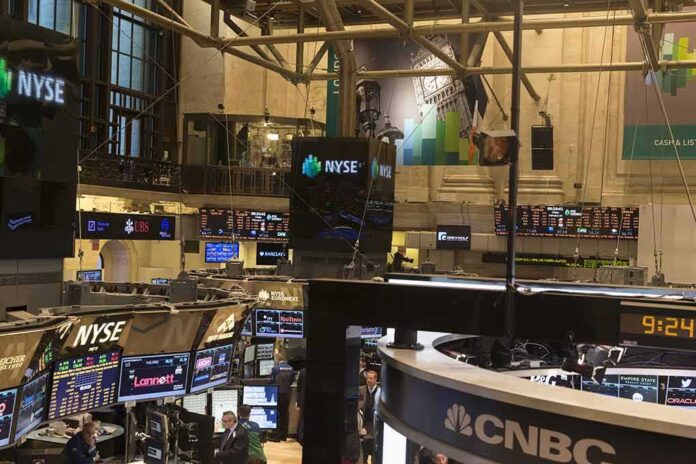
The Dow Jones Industrial Average just logged its worst first 10 trading days of September since 2008, reviving fears that markets and policymakers are asleep at the wheel as costs and risks rise.
Story Highlights
- The Dow’s first-10-days slump is the worst September start since the 2008 crisis.
- Stocks fell as oil and bond yields climbed, pressuring company profits and buyers.
- September weakness is a long-running market pattern, not a firm rule.
- Rising energy and borrowing costs hit families, small firms, and retirement plans.
What Happened: A Rough September Start for Stocks
MarketWatch reported that the Dow Jones Industrial Average posted its worst performance for the first 10 trading days of September since 2008, based on Dow Jones Market Data. The same report said the S&P 500 and Nasdaq Composite also had their worst early-September runs since 2020, underscoring broad weakness across major indexes. Those moves followed a string of down days and sharp point drops flagged in daily market summaries, reflecting steady selling pressure as the month opened.
Reuters linked the early slide to rising oil prices and higher Treasury yields, which can squeeze company profit margins and make borrowing more expensive for businesses and consumers. On September 1, all three major United States stock indexes finished lower as investors faced higher energy costs and bond yields at the start of what many call the market’s weakest month. That mix can slow hiring and investment, while pushing up monthly costs for households already stretched by inflation.
Why This Matters Beyond Wall Street
Higher fuel prices feed directly into transport, food, and home energy bills. When crude spikes, delivery costs rise and store prices can follow. At the same time, higher bond yields lift rates on credit cards, car loans, and small business lines. That double punch hits working families and mom-and-pop shops first. People on the left and right see the same pattern: costs keep rising while leaders trade talking points. The market drop is a symptom of deeper stress in the real economy many feel every day.
Retirement savers also feel the pain. Many 401(k) plans track broad indexes, so a weak month can dent balances. For older workers and retirees, drawdowns during high inflation are hard to replace. If borrowing stays costly, companies could slow buybacks and hiring, which can weigh on wages and job growth. These links are why a “seasonal” selloff does not feel seasonal at the kitchen table. It feels like yet another bill coming due while leaders argue and delay.
Seasonal Pattern or Something More?
Analysts often point to the “September effect,” a long-observed pattern of weaker stock returns during September. Historical summaries show that September has carried a negative tilt on average across decades, though the effect is a tendency, not a guarantee in every year. That means seasonality can frame expectations, but it does not fully explain any single drop. This year, oil and yields rising together gave sellers a clear reason to act, adding force to a month that already worries traders.
🌞 Morning Update | 16 SEPTEMBER 2026
◖ 🇺🇸 Dow Jones -0.63% | Nasdaq -0.78%
◖ 🇮🇳 GIFT Nifty 23,218.50 | +20 points◖ ⛽️ Brent Crude $108.32/barrel
◖ 🪙 Gold $4,288.48/ounce
◖ 🥈 Silver $63.67/ounce
◖ 💰 Dollar Index — 99+
◖ USD/INR ₹95.96
◖ FII Sold ₹2,977.86 Cr |…— Trade Titans Securities (@TheTradeTitansX) September 16, 2026
Academic work also finds that calendar effects can fade, shift, or depend on other forces, such as policy changes and global shocks. Investors can treat seasonality as a base rate, then weigh live drivers like energy supply, fiscal choices, and interest rates. That blend keeps the focus on causes people can see and measure. When leaders avoid hard calls on spending, debt, and energy, markets often price that in fast. Households and small firms then end up footing the bill later.
Bottom Line for Households and Investors
For now, the message is simple. Watch energy prices, watch bond yields, and keep an eye on earnings guidance. A cooler move in either oil or yields could take pressure off stocks. But if both keep rising, companies may cut plans and margins may shrink, which could extend the chop. Seasonality may set the stage, yet policy and prices write the script. People want leaders to tackle costs head-on, not pass them along through markets and monthly bills.
Sources:
feedpress.me, ua.news, marketwatch.com, dorseywright.nasdaq.com
© patriotspotlight.org 2026. All rights reserved.