
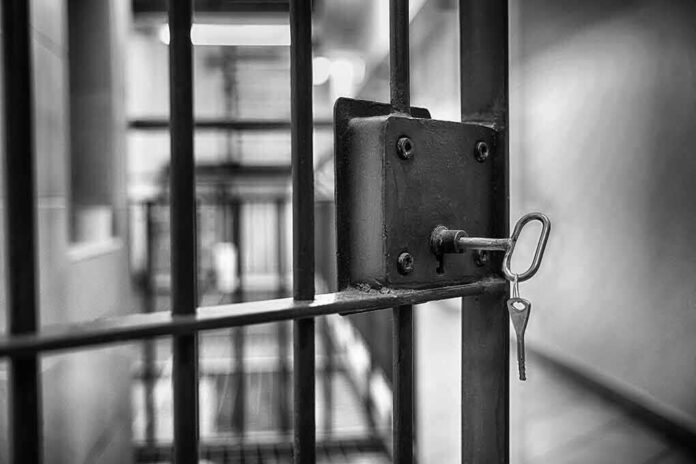
After years of media hype and Netflix-fueled celebrity, the so-called “Tiger King” Bhagavan “Doc” Antle now finds himself behind bars—reminding us that, in the end, reality bites harder than any tiger ever could.
At a Glance
- Bhagavan “Doc” Antle, star of Netflix’s *Tiger King*, sentenced to more than a year in federal prison for wildlife trafficking and money laundering.
- Antle admitted to trafficking endangered species and laundering money linked to human smuggling.
- Myrtle Beach Safari’s future is clouded as Antle’s incarceration disrupts operations and animal care.
- The case sets a precedent for stricter enforcement of federal wildlife laws, signaling a shift in oversight of private zoos.
The Tiger King’s Gilded Cage Slams Shut
The man who strutted through Netflix’s “Tiger King” with all the swagger of a circus ringmaster is now trading his khakis for a prison jumpsuit. Bhagavan “Doc” Antle—once the darling of the exotic animal world and a self-styled conservationist—was sentenced to 12 months and one day in a federal prison, slapped with a $55,000 fine, and handed three years of supervised release. His crime? Illegally trafficking endangered species and laundering money, including a scheme that facilitated human smuggling for a tidy 15% cut. It’s a story ripped straight from the most absurd corners of American pop culture, but this time, the consequences are as real as it gets.
Between September 2018 and May 2020, Antle orchestrated backroom deals involving tigers, lions, cheetahs, and even a chimpanzee, exploiting loopholes and falsifying paperwork to disguise these transactions as charitable donations. Prosecutors made it crystal clear: this wasn’t just about a few animals changing hands. It was about someone using their platform and influence to line their pockets, all while thumbing their nose at the laws that protect the very creatures he claimed to love. In court, Antle admitted, “I made a mistake. I did stupid things that never should have taken place, and I’m hoping to pull it back together.” But apologies don’t erase years of illegal deals or the message this sends to a nation increasingly fed up with elites who believe rules are for other people.
The Fallout: Myrtle Beach Safari and the Future of Private Zoos
With Antle behind bars, the future of Myrtle Beach Safari—home to over 150 exotic animals—is now up in the air. Employees Meredith Bybee and Andrew Sawyer, who played supporting roles in this wild saga, walked away with probation. But the animals, and the staff left behind, are staring down an uncertain future. Who’s stepping in to care for these creatures? Who’s making the big decisions now that the showman-in-chief is out of the picture? The feds have set a precedent here: private zoos and roadside attractions that built empires on the backs of endangered species are officially on notice.
This is about more than just one man’s fall from grace. It’s an industry-wide wake-up call. The government’s crackdown has made it clear that the days of “conservation” as a cover for profit are numbered. Animal welfare advocates—long ignored or mocked—are seizing this moment to push for even stricter oversight. Meanwhile, Antle’s supporters argue that he brought attention (and supposedly, education) to endangered wildlife. But when the money trail leads to backroom deals and human trafficking, it’s hard to see this as anything but the latest chapter in a much bigger problem.
A Cautionary Tale for Celebrity Conservationists
This case is more than a bizarre footnote in reality TV history; it’s a warning shot for anyone who thinks fame puts them above the law. The U.S. Department of Justice and Judge Joseph Lawson III made sure of that. Federal prosecutors hammered home the global consequences of the illegal wildlife trade: high prices for exotic animals fuel international poaching and smuggling, making it harder than ever to protect endangered species.
Legal scholars and animal welfare organizations are already analyzing this ruling as a pivotal use of the Lacey Act and Endangered Species Act. The message is as clear as day: if you break federal law, no amount of celebrity or showmanship is going to save you when the gavel comes down. The Tiger King phenomenon may have brought animal exploitation into America’s living rooms, but justice—at last—has brought it back down to earth.