
Thailand’s security chiefs say 50-plus coordinated arson and bomb attacks hit three southern provinces in four hours, forcing a curfew and lockdowns overnight.
Story Highlights
- Thai authorities reported 51 coordinated incidents across Narathiwat, Pattani, and Yala.
- Attacks included bombings and arson at shops, offices, and infrastructure.
- A night curfew was imposed in Narathiwat under the Martial Law Act.
- Prime Minister Anutin called an urgent meeting with top security officials.
Coordinated Night Attacks Across Thailand’s Deep South
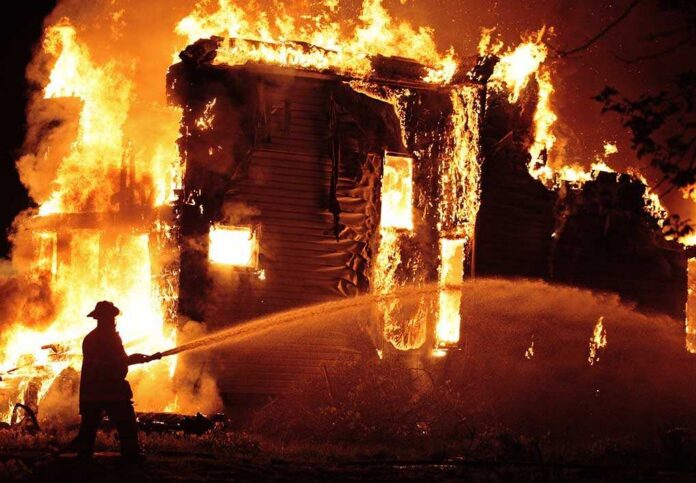
Thai security officials reported a wave of coordinated attacks from about 8 p.m. to midnight on Saturday, August 22, across the southern border provinces. The Internal Security Operations Command said there were 51 incidents across 21 districts in Narathiwat, Pattani, and Yala, involving bombings, arson, and property damage. Wire services and official briefings described fires and blasts at convenience stores, local offices, and along rail lines. Initial reports said at least two to three people were injured during the attacks.
Officials said the attackers targeted civilian and government sites to spread fear and disrupt daily life. Reports cited damage to convenience stores, vehicles, telecommunications towers, electrical poles, and railway sleepers used on local lines. Reuters added that incidents were spread across multiple districts and noted conflicting early counts typical in fast-moving security situations. No group claimed responsibility by press time, though officials placed the violence within the long-running southern insurgency context.
Rapid Security Response and Emergency Controls
Military and police units increased patrols and surveillance across affected districts after the blasts and fires. The Narathiwat Task Force imposed a curfew from 10:15 p.m. Saturday until 6 a.m. Sunday under the Martial Law Act of 1914, aiming to secure roads and protect key sites. Authorities warned residents to avoid suspicious objects and to report unusual activity. The army’s regional command directed checkpoints and route clearances to keep hospitals, markets, and transport corridors operating safely.
Prime Minister Anutin Charnvirakul convened an urgent meeting with top security officials at Government House to assess damage and direct next steps. The session focused on stabilizing the provinces, restoring services, and coordinating investigations. Thai media said the Internal Security Operations Command Region 4 Forward Command maintained heightened alert across the deep south. Officials framed the attacks as an attempt to sow chaos during evening hours when shops and public areas were still active.
Conflicting Early Counts and the Insurgency Backdrop
Different outlets reported varying totals as the situation unfolded, with figures ranging from “dozens” to more than 70 incidents. Reuters cited early accounts describing bombings and arson across multiple districts and noted that casualty numbers also shifted as hospitals updated triage reports. Al Jazeera and other outlets reported two to three injuries tied to the blasts, reflecting the normal churn of early data after a complex attack wave. Officials said detailed site-by-site logs would follow operational sweeps.
The south has faced a low-level separatist conflict since 2004, with periodic spikes in violence, roadside bombs, and arson against soft targets. Analysts and reporters describe Narathiwat, Pattani, and Yala as the core conflict zone, with thousands killed over two decades. The latest attacks fit that pattern: coordinated strikes designed to stretch security forces, unsettle local commerce, and test state control near the Malaysia border. Authorities have not publicly named suspects, and no group has claimed responsibility.
Why This Matters to American Readers
Coordinated attacks on civilian infrastructure abroad highlight how fragile daily security can be when government systems fail to anticipate threats. Local shopkeepers, commuters, and families paid the price while leaders rushed into late-night meetings. That sounds familiar to many Americans who worry that elites act fastest when their image is on the line, not when citizens need steady protection. The core lesson crosses borders: resilient communities need clear facts, honest counts, and competent follow-through from those in charge.
Six security agencies summoned over 76 coordinated southern attacks
The House Committee on National Security, Border Affairs, National Strategy and National Reform has summoned six security agencies to explain how coordinated attacks struck 76 locations across four southern… pic.twitter.com/6uiCmgMIq9
— Thai Enquirer (@ThaiEnquirer) August 24, 2026
For U.S. travelers and businesses in Southeast Asia, the message is simple. Monitor official advisories, avoid crowded night markets during spikes, and respect local curfews. For policymakers, this is another reminder that infrastructure hardening, rapid public alerts, and transparent updates save lives. Thai officials moved quickly with a curfew and patrols, but restoring trust will hinge on accurate tallies, arrests backed by evidence, and repairs to shops and rail lines so people can work and move without fear.
Sources:
abcnews.com, aljazeera.com, nationthailand.com, thestar.com.my, thailandnews.co, x.com
© patriotspotlight.org 2026. All rights reserved.