A new diplomatic breakthrough highlights the revitalization of U.S.-Japan relations under Trump and Takaichi.
Story Highlights
- Richard Haass praises Trump’s Japan visit as a diplomatic success.
- Focus on smooth bilateral relations despite historical tensions.
- Meeting marks a new era under Japan’s Prime Minister Sanae Takaichi.
- MSNBC coverage emphasizes effective high-level diplomacy.
Trump’s Diplomatic Success in Japan
On October 28, 2025, former President Donald Trump met with Japanese Prime Minister Sanae Takaichi in Tokyo. The meeting was covered live by MSNBC, where Richard Haass, president of the Council on Foreign Relations, described the trip as “a perfect lead-up” to further engagements. This positive assessment from Haass, a respected foreign policy expert, underscores the effective diplomatic optics of the visit, contrasting with typical media narratives that often focus on controversy.
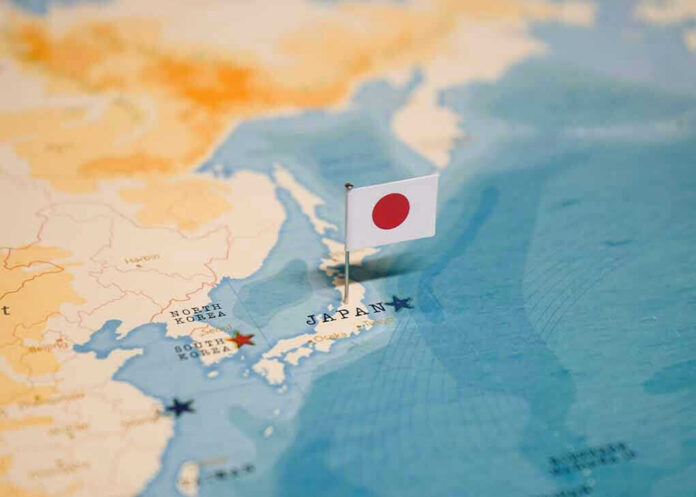
The meeting between Trump and Takaichi marks a significant moment in U.S.-Japan relations, particularly given the backdrop of rising geopolitical tensions in Asia. With China’s regional ambitions and North Korea’s nuclear program posing ongoing challenges, this diplomatic engagement reaffirms the strategic alliance between the U.S. and Japan. Haass’s endorsement of the trip as a diplomatic success highlights the importance of leader-to-leader rapport in managing alliances.
Historical Context and Recent Developments
U.S.-Japan relations have been a cornerstone of American foreign policy in Asia since World War II, characterized by mutual security interests and economic ties. During Trump’s first presidency, his transactional approach to alliances sometimes strained these relations, particularly over trade deficits and defense costs. However, Trump’s recent engagement with Japan’s new leadership marks a new chapter in bilateral ties, potentially easing past tensions.
The election of Sanae Takaichi as Japan’s Prime Minister introduces fresh dynamics into the relationship. Her leadership aims to secure U.S. support for Japan’s strategic priorities while managing domestic expectations. The meeting’s emphasis on diplomacy and smooth bilateral relations is a departure from past public disagreements over trade and defense spending, indicating a potential shift towards more cooperative engagement.
Implications for Regional and Global Politics
The successful diplomatic engagement has significant implications for both short-term and long-term U.S.-Japan relations. In the short term, it reinforces the alliance at a leadership level, potentially easing concerns about bilateral tensions under a Trump administration. In the long term, it could pave the way for deeper cooperation on security, trade, and regional strategy, though the durability of these outcomes will depend on follow-through and broader geopolitical developments.
Overall, this meeting sets a precedent for future diplomatic engagements, emphasizing the value of high-level diplomacy in a complex geopolitical environment. The positive expert and media coverage also illustrate how effective diplomacy can shape international perceptions and reinforce strategic alliances.
Sources:
Daily Caller report on Richard Haass’s commentary
AOL article on Trump’s successful Japan trip