

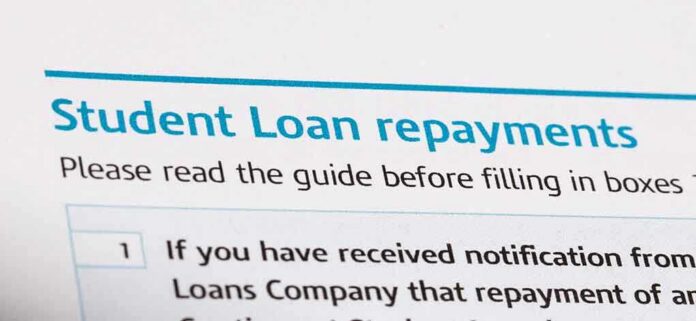
Federal officials have restarted powerful student-loan collections that can take up to 15% of a worker’s paycheck, and they plan to notify millions more who are in default.
Story Highlights
- Education Department resumed offsets in 2025 and plans wage-garnishment notices to defaulted borrowers.
- Administrative wage garnishment can claim up to 15% of disposable pay without a court order.
- Treasury and private collectors have long been used for defaulted federal loans.
- Reports cite millions at risk; exact counts vary by whether delinquency is included.
What the Government Has Restarted
The United States Department of Education said in April 2025 that it would restart collections on defaulted federal student loans on May 5, 2025. The agency also said it would resume the Treasury Offset Program, which can take tax refunds and other federal payments. The department added that it would later send the legally required notices for wage garnishment. Those steps marked the end of pandemic-era pauses and a return to standard enforcement tools.
In May 2025, the department said about 195,000 borrowers would receive Treasury offset notices right away. It also said all 5.3 million defaulted borrowers would get wage-garnishment notices at a later point. The statement did not list exact dates for when garnishments would begin for each borrower. It explained that notices come first, and borrowers have rights to respond or seek relief options before wages are withheld.
How Wage Garnishment Works for Student Loans
Federal law allows “administrative wage garnishment” for defaulted federal student loans. That means the government can order an employer to withhold up to 15 percent of a worker’s disposable earnings to pay the debt. A court order is not required. Borrowers receive notice and can request a hearing. Other tools include taking federal tax refunds and some benefits through the Treasury Offset Program. These steps are part of a long-standing collections system.
Policy groups and news outlets have described how offsets and wage withholding affect household budgets. For many families, losing part of a paycheck or refund can mean trouble paying rent or buying food. That is why the notice period and appeal rights matter. Borrowers can also seek rehabilitation or consolidation to exit default. But the process can be confusing, and timing varies by case and agency workload.
Role of Treasury and Private Collectors
Multiple agencies share the work when a borrower defaults. The Department of Education manages the portfolio. The Department of the Treasury runs the Treasury Offset Program. Private collection agencies have long been used to contact borrowers, set up arrangements, and pursue repayment paths like rehabilitation. A Government Accountability Office record describes private firms handling accounts that are 360 or more days delinquent and using tools such as wage garnishment and Treasury offsets to collect.
Recent reporting says officials are preparing to involve private collectors more broadly as collections scale up. Some outlets cite millions of borrowers at risk of wage garnishment. Figures can look different based on which group is counted. One common frame adds delinquencies to defaults to reach numbers near ten million, while the department’s own May 2025 figure for borrowers already in default was 5.3 million. Readers should note which group a number describes.
What This Means for Working Families and Taxpayers
Working families see an immediate hit when wages are withheld or refunds are seized. Employers must process the orders, and workers may have fewer dollars for bills. At the same time, taxpayers expect the government to collect on legal debts and protect program integrity. Both goals meet in this system: collect money owed while giving borrowers clear paths out of default. The friction comes from the speed, scale, and clarity of those paths during a tough economy.
Treasury is preparing to hand nearly 10M student loan defaulters to private debt collectors, with wage garnishment of up to 15% of after-tax income back on the table as soon as November. The Washington Sun reports the timing likely slips past the midterms. 1/2 pic.twitter.com/p0UMOG1qgf
— StockDuty (@stock_duty) October 26, 2026
People across the political spectrum worry about fairness and power. Many conservatives object to debt that never seems to shrink and to the cost of nonpayment. Many liberals object to harsh penalties that can deepen hardship. Both sides share a concern that large agencies and contractors can act with little accountability. Transparent notices, clear timelines, and real customer service can reduce that gap. So can simple options that help borrowers cure defaults before wages are taken.
What Borrowers Can Do Now
Borrowers who are at risk should open every letter and email from Federal Student Aid. The notice window is the time to request a hearing, update income data, or set up a plan that stops garnishment. Rehabilitation and consolidation can restore good standing if completed. People who recently defaulted should check the National Student Loan Data System and contact their loan holder. Responding fast matters most once a notice is issued and before an employer receives a withholding order.
Sources:
zerohedge.com, businessinsider.com, newsweek.com, yahoo.com, ed.gov
© patriotspotlight.org 2026. All rights reserved.