
When a Republican senator persuaded Washington to pause key immigration traffic stops over two deadly shootings, it exposed how officials in both parties now bend basic law enforcement around politics and public outrage.
Story Snapshot
- Immigration and Customs Enforcement (ICE) paused most vehicle stops nationwide after two fatal shootings in Texas and Maine.
- Homeland Security Secretary Markwayne Mullin issued the pause after speaking with Senator Susan Collins, who urged a halt to “non‑urgent” stops.
- The pause was framed as a short, training‑focused safety review, not a permanent retreat from vehicle stops.
- President Donald Trump quickly blasted the suspension and moved to overturn it, highlighting deep cracks inside his own administration.
How the deadly shootings led to a nationwide pause
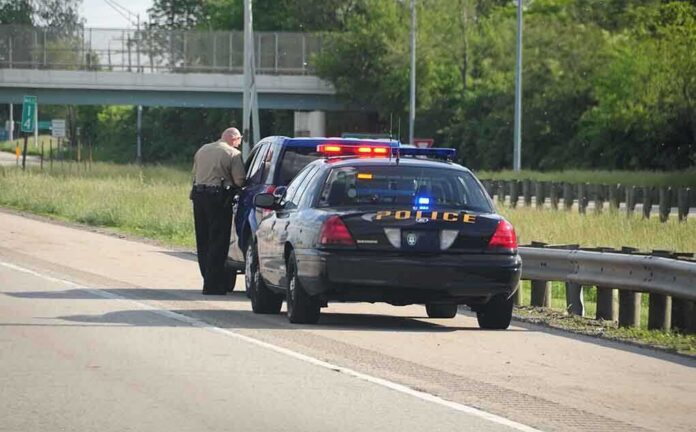
Two fatal shootings in one week turned routine immigration traffic stops into a national flashpoint. In Texas and in the coastal town of Biddeford, Maine, Immigration and Customs Enforcement officers shot and killed men during vehicle stops, sparking anger from local communities and renewed media attention on federal use of force. Within days, multiple news outlets reported that Immigration and Customs Enforcement agents nationwide were told to suspend most vehicle stops tied to civil immigration enforcement, except when dealing with the most serious criminal targets.
According to several law enforcement sources, the order came from Homeland Security Secretary Markwayne Mullin and took effect quickly across the country. The guidance covered officers in the Enforcement and Removal Operations arm, which usually handles civil immigration arrests. Agents were told to avoid pulling over vehicles in most cases and instead use other tools, such as working with local police partners, while the directive was in place. For many agents, this meant pressing pause on a core tactic they use to find and detain people living in the country illegally.
Senator Susan Collins’ role and the “temporary training” explanation
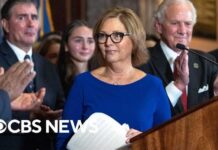
Senator Susan Collins of Maine said publicly that she spoke with Secretary Mullin the night before the pause was announced and urged him to stop “non‑urgent” vehicle stops after the Maine shooting. Soon after that call, Mullin ordered the nationwide suspension, which suggests Collins’ request carried real weight inside the department. For conservatives who want tougher enforcement, this looked like a veteran Republican siding with media pressure and public fear over a key Trump‑era immigration tool.
Top Trump border adviser Tom Homan tried to calm the backlash by stressing that the move was limited and temporary. In a Fox News interview, Homan said it was “not a policy change” but a “temporary pause” so the agency could run a short‑term review and update training on how officers conduct vehicle stops. Reporting by several outlets echoed that the suspension would last only while Immigration and Customs Enforcement agents received more training on high‑risk vehicle tactics and use of force. The message from leadership was clear: this was about safety and liability, not surrender.
Trump pushes back and exposes a split inside his own team
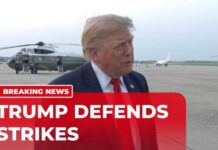
President Donald Trump did not accept that framing and moved fast to claw back the pause. After news of the suspension broke, Trump blasted the move on social media, warning that giving up traffic stops would “play right into the criminal’s hands” and calling on Immigration and Customs Enforcement to “go back and do your very important job.” Within a day, multiple reports said Trump had directed that the pause be reversed, allowing vehicle stops to resume despite the ongoing review.
This public clash showed a deeper split in how Washington now makes law‑and‑order decisions. On one side, Homeland Security leaders like Mullin responded to lawsuits, safety concerns, and bad headlines by pulling back, at least for a short time. On the other side, Trump and his core supporters insisted that strong, visible enforcement like traffic stops must continue, even after tragic mistakes, because they see any pause as weakness that invites more illegal immigration and crime. Caught in the middle were field agents, who were told one day to stop and the next day to gear back up.
What this fight reveals about trust, safety, and the “deep state”
The pause and rapid reversal also stirred anger on both the right and the left for different reasons. Many conservatives saw Mullin and Collins as caving to media outrage and activist pressure, further proof in their minds that parts of the federal bureaucracy will undercut tough border enforcement whenever they get the chance. Many liberals, in contrast, argued that the pause did not go far enough, since it was tied to training instead of a broader rethink of when armed officers should be stopping cars at all.
WATCH: Mike Davis GOES OFF on Markwayne Mullin for Caving to Susan Collins on ICE Traffic Stops as Calls for Resignation Grow – “I’m Going to LIGHT THEIR ASSES UP!”
Link in the comment section. pic.twitter.com/fz9kQgZ52e
— The Gateway Pundit (@gatewaypundit) July 16, 2026
For ordinary Americans watching this from the outside, the fight fed a larger sense that Washington is not focused on their safety or their rights so much as on avoiding blame. Agency leaders paused stops after two men died, but only until the political heat rose and the president flexed his power. That kind of back‑and‑forth makes it hard for families to know what rules officers are following on their streets and highways, or who is really calling the shots.
Sources:
thegatewaypundit.com, cbsnews.com, reuters.com, thehill.com, youtube.com, bbc.com
© patriotspotlight.org 2026. All rights reserved.