
A fragile, half-secret Iran deal that could reopen the Strait of Hormuz and shake global oil prices may be signed tomorrow, but big questions remain about what America is really getting.
Story Snapshot
- Trump says a US–Iran agreement will be signed tomorrow and will block any Iranian nuclear weapon.
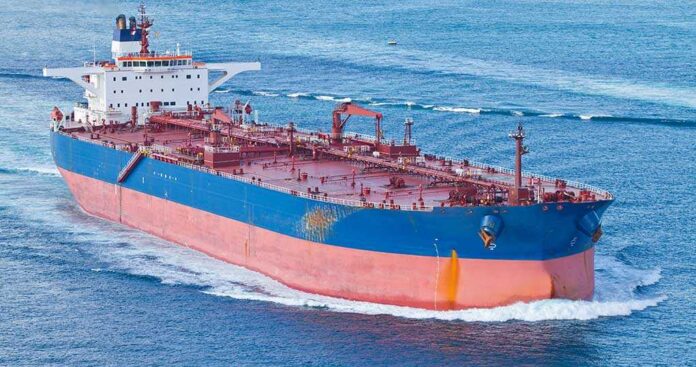
- The deal is expected to reopen the Strait of Hormuz and end the costly naval blockade, easing oil prices.
- Reports say this is a 60‑day memorandum of understanding, not a full, final peace treaty.
- Iranian officials and media push a very different story, raising doubts about what is truly agreed.
Trump’s Promise: No Iranian Nukes and an Open Strait
President Donald Trump has told Americans that a deal with Iran “is scheduled to get signed tomorrow” and that right after signing, the Strait of Hormuz will be “open to all.”[1][3] In his Truth Social posts and remarks, he says Iran has agreed it will not purchase or develop a nuclear weapon “in any way, shape, or form,” and claims they “no longer want a nuclear weapon” at all.[1][2] For conservatives who remember the weakness of the Obama-era nuclear deal, this is a big promise.
Trump also says the agreement will end the United States naval blockade that has helped choke off Iranian oil exports and disrupted global energy flows.[1][3] He argues that once the strait reopens and tankers move freely, oil prices will “drop like a rock,” easing pressure on American families who have been crushed by high gas and energy costs for years. That pledge taps into long-running anger over globalist energy games that hurt working people at home.
What We Know About the Deal’s Real Shape
Even as Trump calls it a “great settlement,” reports from diplomats and foreign media describe something more limited: a 60‑day memorandum of understanding, not a final, permanent treaty.[1] Axios and other outlets say the arrangement would extend the current ceasefire, reopen the Strait of Hormuz, and launch a defined period of talks on nuclear issues, sanctions, and frozen assets, with many key details pushed into that later window.[1] In simple terms, this looks more like a ceasefire framework than a full peace.
Trump himself has described the text as a “very strong memorandum of understanding” and even “a little conceptual,” while saying technical documents will be finished in the coming days. That kind of language matters. A memorandum of understanding is often political, not a binding, detailed treaty. It can be a useful first step, but it is not the same as a final, enforceable deal. For a country like Iran, which has a long record of cheating, vague language should worry anyone who cares about real security, not public-relations headlines.
Iran’s Mixed Messages and the Strait of Hormuz Fight
While Trump tells Americans that everyone has signed off, Iranian officials and state media have pushed a different line, saying the proposal “requires review and finalization” and that it has not yet been fully approved in Tehran.[3] Iranian figures have also suggested that nuclear talks will continue during a sixty-day period after signing, not be fully settled on day one, which clashes with Trump’s claim that all United States nuclear demands are already met.[3] This gap in stories should set off alarm bells.
There is also a serious dispute over who controls the Strait of Hormuz and under what terms it reopens. Iranian voices have talked about reopening the passage under Iranian management, with transit fees for ships using the route.[3] Trump, by contrast, says the United States blockade ends and the strait is open to all, without mentioning Iranian tolls or control.[1][3] For Americans who reject paying off hostile regimes and surrendering vital sea lanes, this is a key question: does the deal truly secure free passage, or just bless a new Iranian tollbooth on one of the world’s most important shipping lanes?
Allies in the Dark and the Risk of a Shaky Peace
Reports say even Israel’s leadership was not fully briefed, with Prime Minister Benjamin Netanyahu learning key details from media and social platforms rather than through quiet, trusted channels. That is unusual given Israel’s direct stake in Iran’s nuclear program and missile forces. When a core ally feels blindsided, it increases the risk that Israel may act on its own if it believes Iran is still racing toward the bomb, which could drag the United States back toward conflict even after a signing ceremony.
🚨 BREAKING
US President Donald Trump says the US–Iran deal is set to be signed on June 14.
“Strait of Hormuz will remain open for all,” Trump added.
Positive for global markets as geopolitical tensions ease. Crude oil may remain under pressure, a key positive for… pic.twitter.com/TDcFi90jAc
— Shubham Rajput (@shubhamrajbtg) June 13, 2026
Analysts and journalists also stress that many big issues remain unsettled, especially Iran’s demand for the release of about twenty-four billion dollars in frozen assets and the exact steps Iran must take on its nuclear program.[3] United States officials insist any funds will only move after Iran performs, while Iran calls for immediate relief, a familiar pattern from past talks.[3] This tug-of-war shows why conservatives are right to demand full transparency: without the signed text and its annexes, Americans cannot be sure we are not once again trading cash and sanctions relief for promises that fade the moment cameras are off.
How Conservatives Should Read Tomorrow’s Signing
For many on the right, two things can be true at once. It is good when American strength forces Iran to the table and secures even a temporary halt to fighting and attacks on our forces. It is also dangerous to oversell a political framework as if it were a rock-solid, permanent ban on Iranian nuclear weapons. Past globalist deals taught us that weak documents, sold as “historic,” often leave the United States poorer, less safe, and tied up by international critics when we try to enforce red lines.[4]
As the Trump administration moves toward this signing, the key test is simple: does Iran face clear, enforceable limits with real inspections and real consequences, or is this another short-term pause wrapped in big language? Until the full memorandum of understanding is released, including any side letters and timelines, Americans should welcome lower oil prices and a break in fighting, but keep their guard up. Peace built on vague promises and secret understandings is the kind of shaky bargain that has burned this country before.
Sources:
[1] Web – BREAKING: Trump says a deal with Iran is scheduled to be signed …
[2] Web – 2025–2026 Iran–United States negotiations – Wikipedia
[3] Web – Exclusive: What’s inside the Iran deal Trump is close to signing – …
[4] YouTube – What’s in the US-announced Iran deal, and what Iran says
© patriotspotlight.org 2026. All rights reserved.