

Nigeria’s drug agency says a Mexican suspect linked by photos and video to an industrial meth lab was caught at Lagos airport, raising urgent questions about foreign-run factories inside West Africa’s heartland.
Story Snapshot
- Anti-drug agents tied a Mexican suspect to a meth lab in Ebonyi using photos, video, and metadata.
- Seized chemicals and gear point to industrial-scale output, not a small kitchen setup.
- Recent arrests across multiple states suggest a wider network with foreign “experts”.
- The suspect denies any role and claims he came for a restaurant venture, not drugs.
What Nigerian Agents Say They Found And How They Tracked It
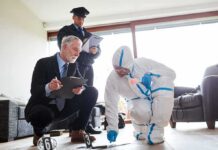
The National Drug Law Enforcement Agency said officers arrested a Mexican national, named in reports as Arturo Carrera Loaiza, at Lagos’ airport on August 19, 2026, after linking him to a large meth lab in Ebonyi State. Investigators described images showing a man in a blue lab coat, plus camera metadata, that led them to a construction site at Isiaka Ugoni Okposi. They said security video and photos connected that same person to the property and to a local collaborator.
Agents listed items they said prove industrial production, not a hobby setup. Reports cited methamphetamine, dehydrators, solvents like acetone and ethanol, hydrochloric acid, salts, P2B, tartaric acid, condensing units, and custom reaction pots. These materials and machines match known steps in meth cooking and finishing at scale. While the public has not seen the full lab inventory forms, the seizure list itself signals a serious facility designed for steady output rather than one-off batches.
Why Multiple Arrests Point To A Bigger Operation
Recent crackdowns across Nigeria add weight to claims of a network. Earlier this year, officers in Ogun State detained several people, including three Mexican nationals, in a separate industrial lab case. In June, another raid in Oyo State led to more arrests and to what agents called a “Mexican meth expert” working with locals, which they say helped them map links toward Ebonyi. Major outlets reported these related arrests within a short window, reinforcing the pattern.
Officials have warned that Nigeria risks becoming a production hub if foreign specialists team up with local crews. Reporting by the British Broadcasting Corporation’s Pidgin service described the agency’s stance that foreign technicians have targeted rural or forested areas to hide large equipment and move chemicals with less notice. That trend lines up with broader regional shifts toward local synthetic-drug output. Still, showing a pattern does not by itself prove who led or financed any one site.
What Remains Unproven And Why It Matters
The public record leans heavily on the drug agency’s narrative. Outlets summarized photographs, video, and metadata that agents say tie Loaiza to the Ebonyi site, but the raw exhibits are not posted for outside review. No charge sheet, sworn affidavit, or court file appears in the reports cited here. That gap leaves room for questions about how the evidence was handled, where it was found, and who exactly controlled the property.
🔴 Nigeria arrests Mexican drug suspect with meth lab; third such site in four months
Arturo Carrera Loaiza, 40, was detained at Lagos international airport last month attempting to leave Nigeria. Digital images found on his phone showed him in a laboratory coat alongside… pic.twitter.com/hnBYzgIXa8
— NewsTongue (@NewsTongueX) September 16, 2026
The suspect denies any role in drug production. Reports say he told investigators a Nigerian contact invited him for a restaurant business, not a meth operation. That claim stands against the agency’s version, which cites matching clothing, images, and site surveillance. Until a court tests the evidence, the core facts about leadership, funding, and the lab’s daily operators are not settled. The scale of the gear is clear; the full chain of command is not.
Why Americans Should Care About A Lab In Ebonyi
Transnational drug groups look for weak spots. When they find them, they set up shop and ship harm worldwide. That risks more meth on U.S. streets, more overdose deaths, and more cash for cartels. It also shows how slow or secretive systems let big cases run on press releases instead of hard proof. Left and right agree on this: when institutions hold back records, trust falls and the public pays the price in crime, addiction, and fear.
Sources:
borderlandbeat.com, guardian.ng, youtube.com
© patriotspotlight.org 2026. All rights reserved.