
Imagine a world leader drawing parallels between nuclear weapons and racial slurs during a formal military address—what could possibly go wrong?
Story Snapshot
- Trump’s remarks link nuclear weapons to racial slurs, sparking controversy.
- The incident occurred during a 72-minute address at Marine Corps Base Quantico.
- Military leaders appeared visibly uncomfortable with the comments.
- Trump has a history of making controversial statements, this being a notable example.
Trump’s Controversial Address
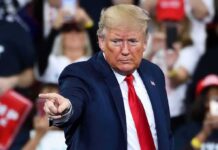
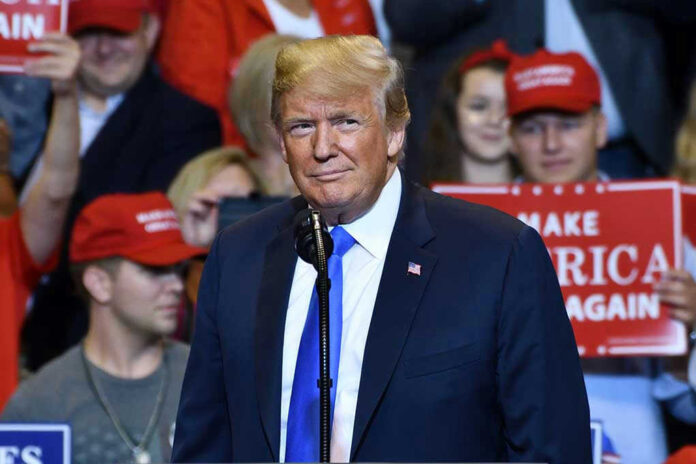
President Donald Trump delivered a 72-minute address to top military leaders at Marine Corps Base Quantico, Virginia. During the speech, Trump made a controversial remark by referring to nuclear weapons as “the n-word.” He stated, “There are two n-words, and you can’t use either of them,” drawing a parallel between the word “nuclear” and a racial slur. This statement visibly unsettled the military officials present, highlighting Trump’s unconventional approach to public speaking.
Trump’s comments occurred amid escalating global tensions regarding nuclear weapons. His use of language not only raised eyebrows in the room but also fueled immediate reactions across social media and news platforms. The incident underscores a pattern in Trump’s communication style—often provocative and controversial, even in formal settings where decorum is expected.
Historical Context and Reactions
Trump’s choice of words is not an isolated incident but part of a recurring theme in his rhetoric. Reports suggest he has previously referred to nuclear warheads using similar terminology, indicating a pattern. The timing of the speech, during heightened concerns over nuclear threats, added gravity to his words. The military audience, bound by professionalism, maintained their composure despite the discomfort caused by the remarks. The event highlights the delicate balance between civilian authority and military decorum.
The reaction from the public and media has been swift. Social media exploded with comments ranging from disbelief to outrage. Observers noted the visible discomfort of military leaders, with some questioning the appropriateness of the president’s language in such a serious context. The incident has sparked broader discussions about the standards of presidential communication and its impact on national and international perceptions.
Immediate and Long-term Implications
Trump’s remarks have led to intense scrutiny of his communication style and its implications for diplomatic relations. The inappropriate comparison between nuclear terminology and racial slurs could affect how the U.S. is perceived in discussions about nuclear policy. Military leaders, tasked with maintaining professionalism, were placed in an awkward position during the briefing.
Long-term implications include ongoing debates about the norms of presidential rhetoric, especially in matters as critical as nuclear policy. The incident could influence international views on U.S. leadership and its commitment to responsible discourse. The documentation of such statements contributes to the broader narrative of Trump’s presidency, characterized by controversial communication.
Expert Perspectives and Verification
Experts have described the incident as shocking, even by Trump’s standards. The military’s stone-faced reaction reflects the professional discomfort with the language used. Public commentary on social media highlighted concerns about the implications of such remarks on national security discussions. The event has been reported by multiple credible sources, corroborated by video evidence, ensuring the accuracy of the details shared.
While the core facts are well-documented, the full context of the address and the military’s response may require further exploration. Nonetheless, the incident remains a pivotal moment in the discourse surrounding presidential communication and its intersection with serious policy issues.