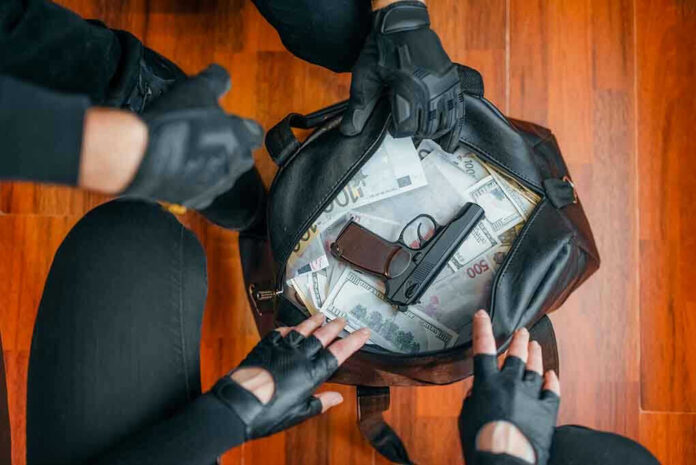
Two masked gunmen used assault-style rifles to steal $1.8 million from a Brinks armored truck in broad daylight—and still slipped away before anyone could stop them.
Quick Take
- The robbery happened around 9:45 a.m. at a busy commercial strip in Philadelphia’s Tacony neighborhood while the truck serviced a Budget Financial Center.
- Police said two armed suspects used assault rifles, grabbed the cash, and fled in a blue Acura SUV; no one was injured.
- Philadelphia police later found the suspected getaway vehicle under I-95 near Front Street and Fairmount Avenue and towed it for evidence.
- Investigators reported “very clear” surveillance video, but early reporting indicated no arrests as the FBI took over the case.
A Daylight, High-Dollar Heist in a Crowded Business Area
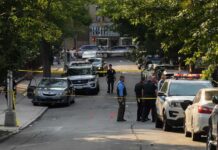
Philadelphia police sources said the robbery unfolded around 9:45 a.m. in the 7200 block of Torresdale Avenue in Tacony, a commercial stretch with regular foot traffic and a nearby bus loop. The Brinks armored truck was servicing a Budget Financial Center when two masked men approached with assault rifles and forced the handover of roughly $1.8 million. Authorities said the robbery ended without injuries, but the suspects escaped before police arrived.
Witness accounts described sudden chaos: shouting or arguing, followed by a hurried retreat and a vehicle speeding off, including reports of the getaway car using the sidewalk to flee. Police secured the area, interviewed witnesses, and collected surveillance footage from the scene and surrounding businesses. The crime scene was cleared by about 11 a.m., but the rapid timeline—minutes to commit the robbery and disappear—underscored how vulnerable even heavily protected cash movements can be when criminals strike decisively.
The Getaway Vehicle Was Found—But the Suspects Weren’t
Investigators later located a blue Acura SUV believed to be tied to the robbery under I-95 near Front Street and Fairmount Avenue in the Northern Liberties area. Police towed the vehicle, a significant development because abandoned cars often contain forensic leads, from fingerprints and DNA to fibers and digital traces. Still, reporting indicated no suspects in custody in the immediate aftermath, a gap that will frustrate residents who expect quick accountability when violence-capable criminals operate openly.
Philadelphia police also indicated they had strong video evidence, describing surveillance as “very clear.” In modern policing, that typically means investigators can track clothing, body type, movements, and the timing of escape routes—sometimes enough to connect suspects to other incidents or identify associates. But video alone is not always a silver bullet, especially if suspects are masked and the vehicle is stolen or “clean.” The public will be watching for whether evidence leads to arrests—or becomes another unresolved case file.
Why the FBI Stepped In—and What That Signals
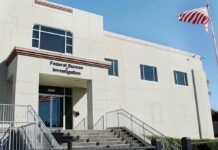
The FBI assumed the lead in the investigation after the initial response, reflecting how high-dollar armored-truck robberies can trigger federal interest, particularly when sophisticated planning or broader criminal networks may be involved. Federal resources can also help with forensic processing, data analysis, and tracking patterns that might connect this heist to other crimes. For citizens already skeptical about government competence, the handoff highlights a recurring reality: local agencies often need federal muscle for crimes that look organized and heavily armed.
A Familiar Pattern: Daylight Robberies and the Security Tradeoffs
Philadelphia has seen armored-truck robberies before, including a 2019 broad-daylight Brinks heist in University City that later resulted in a 10-year federal sentence for a ringleader. That precedent matters because it shows investigators can build federal cases when evidence and cooperation line up. At the same time, the Tacony robbery illustrates the policy tension communities keep revisiting: public safety depends on visible deterrence and consequences, but the public often experiences a system that feels slow, procedural, and detached from the fear caused by armed criminals in busy neighborhoods.
BRAZEN DAYLIGHT HEIST IN DEMOCRAT-RUN PHILADELPHIA — Two Armed Thugs with Rifles Steal $1.8 MILLION from Brinks Armored Truck in Broad Daylight… Suspects Escape Clean
— 🇺🇸🇨🇿🇸🇪 PENNSYLVANIA IS TRUMP™ (@RED_IN_PA) April 22, 2026
For businesses and residents near Torresdale Avenue, the immediate impact is practical as well as psychological: disrupted commerce, heightened anxiety, and renewed questions about how cash-service routes are protected. For the armored transport industry, a $1.8 million loss can translate into tighter procedures, possible route changes, and higher security costs that eventually get passed on. For a country already divided, the broader takeaway is harder to ignore—Americans across ideologies increasingly feel the institutions meant to keep order struggle to keep pace with criminals willing to act boldly in public.
Sources:
$1.8M stolen from armored truck in Philadelphia: police sources
Assault rifles used to rob Brinks armored truck in Philadelphia’s Tacony section: police
Armored truck robbery ringleader sentenced to 10 years for brazen 2019 broad-daylight robbery