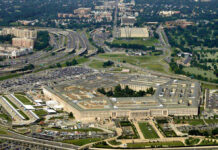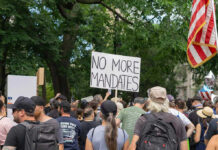
As the government shutdown threatens military pay, Vice President JD Vance assures troops will be paid, but uncertainty looms.
Story Highlights
- Vice President JD Vance claims troops will be paid during the government shutdown.
- Trump administration shifted $8 billion from military R&D to cover payroll.
- Senate votes to reopen the government have failed 13 times.
- Other federal programs face imminent funding crises, increasing pressure.
Military Pay Amidst Government Shutdown
Amidst one of the longest government shutdowns in U.S. history, Vice President JD Vance reassured that U.S. military troops would continue receiving their paychecks. The administration has already shifted $8 billion from military research and development to cover payroll, showcasing its commitment to supporting the armed forces. However, the exact future funding mechanisms remain unspecified, leaving many service members and their families concerned about long-term financial security.
Despite Vance’s assurance, the Senate has repeatedly failed to pass stopgap funding measures, with 13 unsuccessful votes to end the shutdown. This political impasse highlights the ongoing gridlock in Congress over federal spending priorities. The lack of consensus is causing delays in reopening the government, exacerbating the financial strain on military families and other Americans relying on federal services.
Broader Implications of the Shutdown
The current shutdown is not only affecting military pay but also endangering various federal programs that support low-income families. The Trump administration’s refusal to allocate contingency funds for social programs is intensifying the crisis, as programs like SNAP and Head Start face imminent funding lapses. Senate Democrats have criticized this approach, labeling it as detrimental to vulnerable populations.
The administration’s focus on maintaining military morale by ensuring troop pay is crucial. However, without a clear, sustainable funding plan, future paychecks remain uncertain if the shutdown persists. This situation underscores the need for legislative action to provide comprehensive solutions to funding federal operations.
Potential Long-Term Effects on Defense and Social Services
While the immediate concern is ensuring military pay, the long-term implications of the shutdown could be severe. Continued reallocation of defense funds may lead to delayed military projects and undermine defense capabilities. Additionally, social service providers are facing operational disruptions, impacting communities reliant on government support. The broader economic and social impacts are placing immense pressure on both political parties to resolve the deadlock and secure funding for essential services.
As pressure mounts, the administration must navigate the complex political landscape to find viable solutions that uphold conservative values, ensuring the country’s defense and welfare without overreaching or compromising essential services.
Sources:
Vance Says Troops Will Be Paid as Pressure Builds to End Shutdown