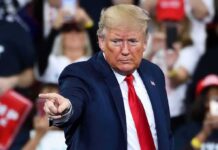

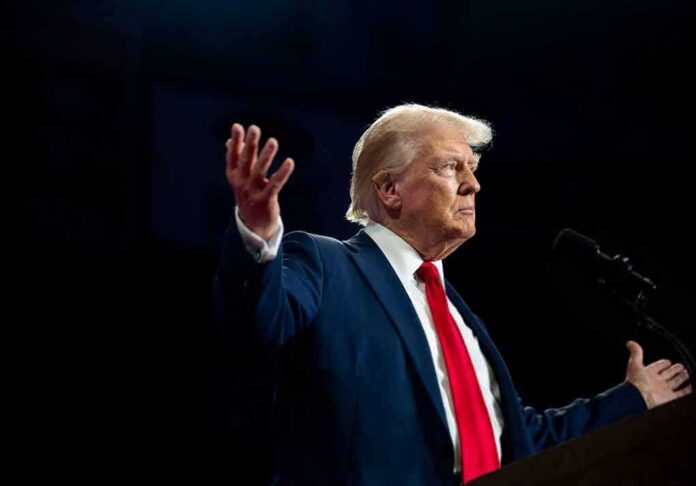
When an American Israeli law professor nominated Donald J. Trump for the 2025 Nobel Peace Prize, he set off a firestorm of debate over what real-world peacemaking looks like—and who gets to be its face.
Story Snapshot
- Trump’s nomination centers on his direct intervention to release hostages and his historic Middle East diplomacy, particularly the Abraham Accords.
- The nominator’s dual role as academic and impacted community member adds unique weight to the submission.
- Supporters and critics fiercely debate the merit and meaning of Trump’s Nobel candidacy, with reference to both recent events and his broader legacy.
- The Nobel Committee’s process and criteria remain opaque, fueling speculation and controversy about Trump’s chances.
Trump’s Nobel Nomination: Breaking with Tradition
The Nobel Peace Prize has long been a stage for global aspirations—and global controversy. January 2025 saw Trump’s name thrust back into the spotlight, nominated for the world’s most storied peace award not only by politicians but by a law professor whose family and community bore the brunt of recent Middle East violence. This nomination did not rely solely on the Abraham Accords or general diplomacy. Instead, it focused on Trump’s hands-on role in securing the release of hostages from conflict zones, a move framed as both humanitarian and strategic by supporters.
Trump’s approach to peace negotiations has always been unconventional, prioritizing direct engagement and personal intervention. The professor’s nomination letter, submitted just days after Trump’s second inauguration, emphasized the urgency and tangible outcomes of these efforts. This was not a theoretical endorsement of policy but a pointed recognition of action, rooted in the traumatic fallout of the October 2023 Hamas hostage crisis. The nominator’s personal stake—both academic authority and family ties—introduced a compelling dual perspective that set this submission apart from the hundreds received by the Nobel Committee.
The Abraham Accords and the Hostage Crisis: Context and Impact
Trump’s history with the Nobel process stretches back to his first term, with the Abraham Accords in 2020 serving as his diplomatic magnum opus. These agreements normalized relations between Israel and several Arab states, breaking a decades-long impasse and earning Trump previous nominations. But the current bid goes further. Hostage releases in the aftermath of the October 2023 crisis brought the issue into sharp relief, with advocacy groups like the Israeli Hostages Families Forum publicly supporting Trump’s candidacy. The intersection of humanitarian intervention and high-stakes diplomacy has made this nomination far more than a symbolic gesture.
Opponents, however, highlight the Nobel Committee’s traditional emphasis on sustained, institutional efforts over individual acts—even those with life-or-death consequences. Critics also point to Trump’s divisive domestic record, including controversial pardons and polarizing rhetoric, as evidence that his actions do not align with the Peace Prize’s ethos. Yet, for many in the Jewish and Israeli communities, the immediacy of saved lives and renewed hope for regional stability outweigh abstract debates over political style.
The Nobel Committee’s Process: Mystery, Politics, and Precedent
The Norwegian Nobel Committee operates under strict confidentiality, refusing to comment on individual nominations for fifty years. This secrecy breeds speculation and lobbying, with advocacy groups, governments, and media outlets all weighing in. Heads of state, parliamentarians, and professors can nominate candidates, but the committee’s five members have absolute authority over selection. The 2025 deadline closed just days after Trump’s second inauguration, setting the stage for months of uncertainty until the announcement in October.
Historical precedent complicates the picture. Barack Obama’s 2009 award, given early in his presidency, sparked years of debate about timing and merit. Trump’s own previous nominations went unrewarded, despite international endorsements. The current nomination’s focus on hostage releases and personal impact introduces a new wrinkle, challenging traditional definitions of peacemaking and forcing the committee—and the world—to reconsider what the Peace Prize truly represents.
Debate, Division, and the Future of Peace Recognition
Trump’s Nobel nomination has reignited questions about the intersection of politics, humanitarianism, and global recognition. Supporters argue that decisive action in the face of terror and regional instability deserves celebration, especially when it delivers concrete results. Detractors, meanwhile, warn against politicizing the prize, citing Trump’s broader record on human rights and domestic unrest. The debate is fierce, with American conservative values and common sense favoring results over rhetoric for some, while others remain deeply skeptical of awarding the prize to such a polarizing figure.
The implications reach far beyond one man or one award. If Trump wins, the Nobel Peace Prize could see its criteria—and its reputation—reshaped in real time. If he does not, debates over bias, politicization, and the true meaning of peace will only intensify. As October approaches, attention will remain fixed on the committee’s decision, the evolving standards for global recognition, and the ongoing struggle to define what peacemaking means in an age of conflict and uncertainty.
Sources:
White House Statement: Trump’s Nobel Nomination
Fox News Opinion: Why Trump Deserves the Nobel Peace Prize
CBS News: Trump and the Nobel Peace Prize
Wikipedia: Nobel Peace Prize Process