Federal and state authorities have painted over Orlando’s high-profile rainbow crosswalk, igniting a fierce battle over who controls public spaces and whether roads should bear political symbols or remain strictly neutral.
Story Snapshot
- Florida removed the Pulse nightclub rainbow crosswalk, citing new state and federal bans on political road art.
- Governor DeSantis insists state roads must stay free from political messaging, defending the move against local outrage.
- Orlando leaders and LGBTQ+ advocates protest, arguing the removal erases a memorial to 2016 mass shooting victims.
- The dispute highlights ongoing tensions between state authority, local autonomy, and the politicization of public spaces.
DeSantis Defends State Action Against Political Road Symbols
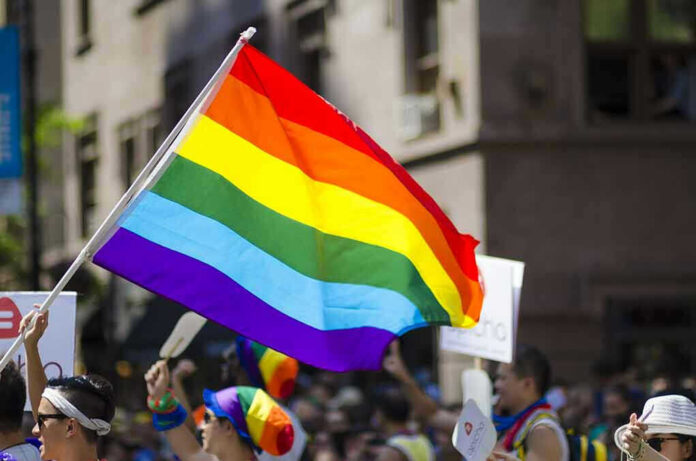
Florida Governor Ron DeSantis responded to a national uproar after the Florida Department of Transportation (FDOT) painted over a rainbow-colored crosswalk outside the Pulse nightclub in Orlando. The crosswalk, installed in 2017 as a tribute to the 49 victims of the 2016 mass shooting, was targeted under a broader initiative led by the Trump administration and federal transportation officials to remove what they call “distracting” or politically themed road markings nationwide. DeSantis stated the state will not let roads be “commandeered for political purposes,” emphasizing a new law and federal directive that ban non-standard road art.
The removal, which occurred in August 2025, was met with immediate protest by local residents, survivors, and LGBTQ+ advocacy groups. Orlando city officials, including the mayor, condemned the FDOT’s action, arguing that the crosswalk was a symbol of remembrance and local pride. Demonstrators gathered at the site, voicing frustration that the state’s policy prioritizes uniformity and perceived neutrality over the wishes of the local community. The controversy instantly drew national attention, with Orlando leaders demanding local autonomy in memorializing the tragedy.
State and Federal Push for Neutrality vs. Local Memorialization
The dispute reflects a broader power struggle between state and federal authorities—who control road regulations—and local governments, who seek to honor their communities. Following a June 2025 federal directive from Transportation Secretary Sean Duffy, Florida began targeting rainbow crosswalks and similar installations across the state. Supporters of the removal, including many state and federal officials, argue that public infrastructure should not be used for political messaging, pointing to road safety and the need for uniform standards. Critics counter that such policies erase important memorials and silence marginalized communities.
Orlando’s rainbow crosswalk was among the first high-profile casualties of this new policy, and the action has set a precedent for other cities facing similar mandates. Some Florida cities, such as Key West, have pushed back against state orders, highlighting the ongoing tension between state authority and local decision-making. The Pulse crosswalk, however, became a flashpoint for national debate, as activists argue that removing the memorial undermines the visibility and dignity of LGBTQ+ victims and survivors.
Impact: Community Division, Legal Questions, and Political Significance
The short-term effects have been immediate and emotional. The LGBTQ+ community, Pulse survivors, and many Orlando residents feel that the removal deepens wounds and marginalizes their grief. Protests and calls for reinstatement continue, while state officials stand firm on their policy. In the long run, this move may have a chilling effect on public memorials and LGBTQ+ visibility in Florida, setting a legal precedent and potentially prompting court challenges over the balance between state authority and local autonomy. The action also reinforces Governor DeSantis’s commitment to limiting political symbolism in public spaces, aligning with conservative values of neutrality and government restraint.
Economically, the removal could impact Orlando’s reputation as an inclusive city and affect tourism related to the Pulse memorial. Socially and politically, the incident exposes and deepens divides over LGBTQ+ rights, public memorialization, and the appropriate use of public infrastructure. As the debate continues, the nation watches to see whether Florida’s approach becomes a model for other states or a rallying point for those who defend local rights and community remembrance.
Sources:
Rainbow crosswalk repainted outside Pulse; Florida troopers seen standing by
Crowd gathers to protest FDOT’s removal of rainbow crosswalk at Pulse site
Rainbow returns to Orlando crosswalk after Florida paints over tribute to Pulse victims