Lebanon faces a high-stakes test as the U.S. demands Hezbollah disarm in exchange for Israeli withdrawal—raising the question: can a country held hostage by armed militias and foreign interests ever truly choose peace, or will the same tired cycle of terror and appeasement continue to make a mockery of sovereignty and common sense?
At a Glance
- U.S. proposes full Hezbollah disarmament in Lebanon for Israeli troop withdrawal from the south
- Lebanon’s new government signals willingness to reassert control—Hezbollah refuses to lay down arms
- Hezbollah’s power, Iran’s influence, and sectarian politics threaten any real solution
- Potential expansion of the Abraham Accords hinges on Lebanese sovereignty and regional stability
Lebanon’s Leadership Dares to Dream—But Hezbollah Won’t Let Go
Lebanon’s government, freshly minted and full of reformist promises, is now caught in the crosshairs of American diplomats and Middle East powerbrokers. At the center of this latest circus: the U.S. proposal demanding Hezbollah give up its arsenal—yes, the same arsenal Iran has been stockpiling for decades on Israel’s doorstep. The carrot? Israeli soldiers would finally retreat from southern Lebanon, possibly paving the way for Lebanon to join the Abraham Accords and end decades of conflict. But here’s the punchline: Hezbollah’s answer is a thunderous “absolutely not.” The group insists it will never disarm while “Israeli aggression” continues. Translation: as long as Israel exists, Hezbollah gets to play army, and the Lebanese state remains a prop in someone else’s war.
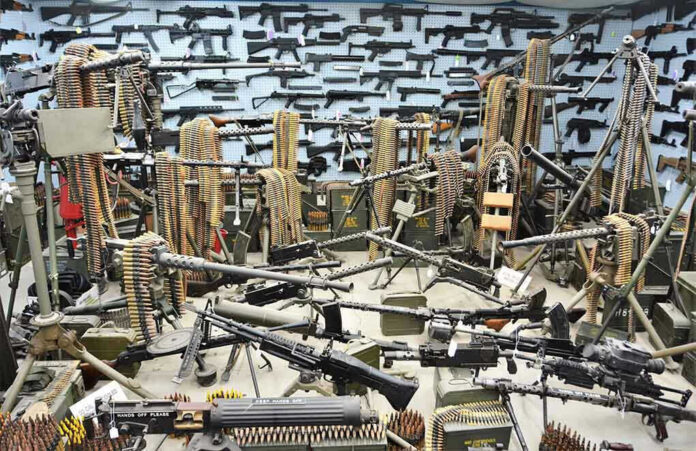
So, the U.S. envoy Thomas Barrack sings the praises of Lebanon’s “thoughtful” response and urges a “go-forward plan,” while Hezbollah’s Naim Qassem essentially spits in the face of diplomacy. Lebanese leaders, caught between wanting to please the West and fearing another civil war, publicly vow to restore a state monopoly on armed force. The reality? No one in power is willing or able to force Hezbollah’s hand—not when the group holds more firepower than the Lebanese army itself, and certainly not with Iran waiting in the wings to turn up the heat if its proxy gets squeezed.
America’s Gamble: Disarmament for Withdrawal—Or a Fool’s Errand?
The U.S. plan, delivered in June with a four-month window, is nothing if not bold. It proposes that Hezbollah hand over its weapons not just for show, but for real, in exchange for the withdrawal of Israeli troops who’ve been entrenched in Lebanon’s south. The hope is that such a move might finally allow Lebanon a ticket to the Abraham Accords table, joining other Arab states in normalizing ties with Israel. Israeli officials, looking to end the endless border skirmishes, have signaled interest. But the obstacles are—let’s be honest—absurdly obvious. Hezbollah’s entire raison d’être is “resistance” to Israel; surrendering their arms would make them just another corrupt political party, which, in Lebanon, is saying something.
Lebanon’s government, under President Joseph Aoun, is desperate for international aid and respect. But the hard truth is that even the most determined reformers can’t enforce the law when a foreign-backed militia is the law. The United Nations has been demanding the disarmament of all Lebanese militias since 2006, and for nearly 20 years, the world has watched as Hezbollah and its patrons in Tehran thumb their noses at the rules. Now, the U.S. wants to try again, betting that the lure of normalization and the threat of continued chaos will force a breakthrough. The odds? Let’s just say Vegas wouldn’t take the bet.
Winners, Losers, and the Real Price of Endless Appeasement
If this diplomatic gamble fails, the consequences won’t just be regional headlines and finger-wagging at the UN. Southern Lebanon’s civilians, already battered by years of conflict, will continue to live in fear—of both Israeli strikes and Hezbollah’s “protection.” Israeli border communities, meanwhile, remain sitting ducks for rocket attacks, with the world quick to condemn any response as “aggression.” And for the Lebanese Shiite community, the stakes are existential: Hezbollah has positioned itself as their only shield, conveniently ignoring the fact that its very presence guarantees perpetual instability, economic ruin, and the kind of sectarian division that tears families and nations apart.
On the diplomatic front, a successful deal would be historic. It might finally give Lebanon a shot at real sovereignty, and the Middle East could take a step toward sanity—if only for a moment. But if the U.S. blinks, or if Lebanon’s government caves to Hezbollah’s threats, the country will remain a cautionary tale: a place where armed gangs and foreign cash dictate policy, and where the only thing more reliable than government dysfunction is the international community’s willingness to pretend things will change if we just ask nicely enough, one more time.