
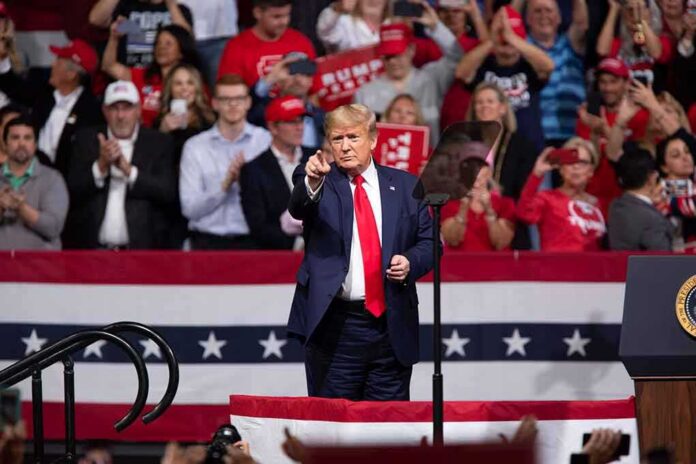
President Trump told a Texas crowd that Venezuela could become America’s 51st state, tying the idea to U.S.-bound oil and new investment.
Story Snapshot
- Trump floated Venezuelan statehood at a Corpus Christi rally, linking it to oil and jobs.
- He pointed to a ship with about 1 million barrels of Venezuelan oil headed to the U.S..
- Venezuelan leaders rejected the idea and vowed to defend sovereignty.
- No formal plan, law, or treaty backs the statehood talk at this time.
What Trump Said And Why It Matters
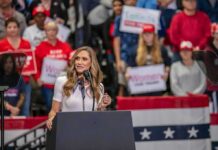
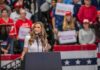
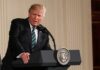
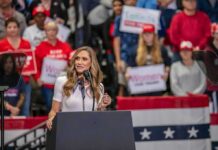
President Trump told supporters in Corpus Christi on October 27 that Venezuela could “maybe someday soon” become the “51st state,” and even said the country could elect a governor instead of a president. He tied the idea to oil, saying major companies were investing “billions” and that the United States was bringing in Venezuelan crude and jobs would follow. The remarks were public, direct, and extraordinary for a sitting president, but they came at a campaign-style rally, not as a formal policy step.
Trump also pointed to a vessel he said carried about 1 million barrels of oil from Venezuela bound for the United States, using it as proof that ties were warming and supplies were moving. Local and national outlets echoed that detail, but did not publish shipping or customs records that confirm ownership, terms, or whether the oil was a “gift” or a sale. The oil point underscores energy politics, but does not itself require or explain statehood.
The Missing Pieces: Law, Process, And Consent
The United States has a process for admitting states, which requires Congress and complex legal steps. The record so far shows no treaty, bill, or executive plan to admit Venezuela, and no sign of Venezuelan consent through a vote or formal act. Trump’s own phrasing, saying “who knows?” and “That’s possible,” signals a proposal, not a program. Without a legal path and mutual consent, the talk remains political rhetoric, not an actionable roadmap.
Venezuelan authorities pushed back fast. Acting President Delcy Rodríguez said Venezuela would not become a U.S. state and pledged to defend the nation’s integrity, sovereignty, independence, and history. She described Venezuela as a free country, not a colony. That stance closes the door, at least for now, on any claim of shared intent. It also highlights the core friction: energy hopes versus national self-rule, a debate that often shapes how oil-rich states engage outsiders.
Energy And Sovereignty: The Cross-Pressure Driving This Debate
Venezuela holds vast oil reserves, and its leaders have long mixed outside investment with strong state control. Research shows resource nationalism and foreign capital can exist together, but the balance is hard, and politics often swings between control and openness. Trump’s comments tap into U.S. voter anger over energy costs and jobs, while Venezuelan leaders stress independence. That push and pull feeds suspicions on both sides about who benefits when oil moves and deals get signed.
Across the American spectrum, people see a familiar pattern. Voters on the right and left worry that elites profit from grand plans while families face high prices and weak services. Statehood talk tied to oil can sound like a shortcut that skips debate about costs, law, and consent. Supporters hear a promise of cheaper fuel and jobs. Critics hear a resource grab. Both hear a Washington that moves fast on big ideas, but slow on basics like clear facts, due process, and public buy-in.
Today (October 27, 2026), at a midterm campaign rally in Corpus Christi, Texas, President Trump floated the idea of Venezuela becoming the 51st U.S. state.
He linked it to Venezuelan oil and the post-Maduro relationship. While highlighting a tanker with 1 million barrels of… pic.twitter.com/7AZ9oa0wwz
— WorldGeopolitics25 (@WGeopolitics25) October 27, 2026
Sources:
youtube.com, waff.com, foxcarolina.com
© patriotspotlight.org 2026. All rights reserved.