A Waymo self-driving taxi carrying a passenger drove directly into an active fire scene in Hollywood and sat stalled for nearly 10 minutes while first responders worked around the autonomous vehicle that claimed to be the “world’s most trusted driver.”
Story Snapshot
- Waymo robotaxi entered active fire scene on Melrose Avenue with passenger aboard
- Vehicle remained stalled in emergency zone for nearly 10 minutes amid flares and responders
- Latest in string of December incidents including police scene intrusions and power outage confusion
- Waymo claims no disruption occurred despite video evidence of emergency zone penetration
When Artificial Intelligence Meets Real-World Chaos
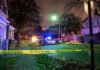
The incident unfolded on busy Melrose Avenue in Hollywood when the Waymo vehicle took a wrong turn past emergency flares and drove directly into an active fire response. Video footage captured the autonomous taxi sitting motionless in the middle of the emergency scene while firefighters and first responders worked around it. The passenger remained trapped inside the vehicle during the extended stall, highlighting the stark difference between controlled testing environments and unpredictable urban emergencies.
Waymo’s response emphasized that the vehicle “came to a complete stop and did not disturb the scene,” but the company’s definition of non-disruption raises questions about whether autonomous vehicles should enter emergency zones at all. The technology that powers these vehicles relies on sensors and artificial intelligence to navigate dynamic situations, yet the Hollywood fire scene exposed fundamental limitations in processing real-world chaos that human drivers instinctively avoid.
A Pattern of Emergency Response Failures
This fire scene intrusion represents the third major incident for Waymo vehicles in December alone. Just weeks earlier, multiple Waymo cars stopped during a San Francisco power outage when traffic lights went dark, demonstrating the vehicles’ inability to adapt to infrastructure failures. The pattern suggests autonomous vehicles struggle most when normal traffic patterns break down and human judgment becomes essential.
Earlier in December, another Waymo vehicle drove through an active LAPD felony arrest scene in downtown Los Angeles, spending 15 seconds navigating around law enforcement during a high-risk operation. While police reported no impact on their tactics, the incident revealed how these vehicles can insert themselves into dangerous situations where split-second human decisions matter most. The LAPD maintains a 24-hour coordination hotline specifically for Waymo incidents, indicating these problems occur frequently enough to require dedicated resources.
The Human Cost of Technological Overconfidence
The passenger trapped in the fire scene experienced firsthand what happens when marketing promises clash with technological reality. Waymo markets itself as the “world’s most trusted driver,” yet this incident demonstrates how passengers become unwilling participants in the company’s real-world testing. Unlike controlled test environments, emergency scenes contain unpredictable elements like shifting smoke, emergency vehicle movements, and rapidly changing conditions that require human intuition.
The company launched its driverless taxi service to the Los Angeles public in November 2024 after limited testing phases. Since the school year began, Waymo vehicles have experienced 19 braking incidents near children, requiring software adjustments that raise questions about the thoroughness of pre-deployment testing. Each incident represents real people affected by technology that isn’t ready for the complexities of urban life, yet continues expanding its reach.
Sources:
ABC News – Waymo autonomous car drives fire scene
ABC7 News – Waymo driving taxi takes passenger active police scene downtown Los Angeles
Good Morning America – Waymo autonomous car drives fire scene