

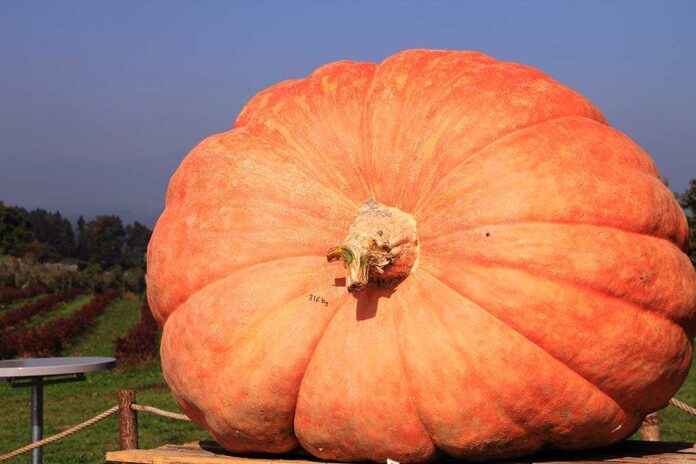
The pumpkins gracing your autumn table might conceal more than just seeds; they could harbor toxic secrets that pose significant health risks.
Story Highlights
- Laboratory tests reveal toxic substances in pumpkins, including heavy metals.
- Regulatory bodies and consumer advocacy groups express growing concern.
- Potential health risks particularly affect children and pregnant women.
- Increased scrutiny could lead to tighter regulations and safer food practices.
Toxic Secrets Lurking in Pumpkins
Recent findings have raised alarms over the presence of toxic substances in pumpkins, a beloved autumn staple. Laboratory analyses indicate elevated levels of heavy metals, such as lead and cadmium, and pesticide residues in some commercially grown pumpkins. This revelation is particularly concerning for vulnerable populations like children and pregnant women, who are more susceptible to the adverse effects of these contaminants. As pumpkins become central to seasonal festivities, the potential health implications prompt an urgent call for consumer awareness and regulatory action.
Historically, pumpkins have been celebrated as a symbol of harvest and nourishment. Cultivated for thousands of years in the Americas, they have found their way into everything from pies to decorative displays. However, the industrialization of agriculture, with its heavy reliance on chemical fertilizers and pesticides, has introduced new challenges. Recent studies show that pumpkins and similar crops can accumulate heavy metals from contaminated soil, raising questions about the safety of these festive foods.
Regulatory and Public Response
In response to these findings, regulatory agencies in the U.S. and Europe are conducting investigations and reviewing safety thresholds for heavy metals in food. Consumer advocacy groups are calling for immediate transparency and stricter enforcement of existing standards. The U.S. Food and Drug Administration (FDA) has announced its commitment to monitoring the situation closely, with assurances that it will take necessary actions to protect public health.
Major supermarkets have started issuing precautionary advisories, and some have removed certain pumpkin products from their shelves. This proactive response highlights the importance of consumer confidence in food safety and the need for rigorous testing and transparent reporting. The situation underscores the delicate balance between maintaining agricultural productivity and safeguarding public health.
Implications for Consumers and Industry
The potential health risks associated with contaminated pumpkins could lead to a decline in consumer trust and a subsequent drop in sales. This situation presents an opportunity for the organic and certified-safe pumpkin markets to expand, as consumers seek assurances of safety. The economic impact on growers and retailers could be significant, prompting a reevaluation of agricultural practices and supply chain management.
Long-term, the heightened scrutiny may result in tighter regulatory standards for heavy metals and pesticides in produce. This shift could drive increased investment in sustainable farming practices and soil remediation efforts. As the demand for transparency grows, the food industry faces mounting pressure to adapt and innovate in response to consumer expectations and regulatory requirements.
Expert Insights and Future Directions
Experts in food safety emphasize the need for comprehensive risk assessments and harmonized international standards to protect public health. Toxicologists warn that even low-level, chronic exposure to heavy metals can have cumulative health effects, particularly for children. Researchers advocate for more stringent testing protocols and greater transparency in reporting contaminant levels.
While some industry representatives argue that current contaminant levels are within safe limits for most consumers, advocacy groups continue to push for more protective measures. This divergence highlights the ongoing debate over food safety standards and the need for evidence-based policy decisions. As investigations continue, stakeholders across the industry must collaborate to ensure that seasonal traditions remain safe and enjoyable for all.
Sources:
Your pumpkin could be hiding dangerous toxins